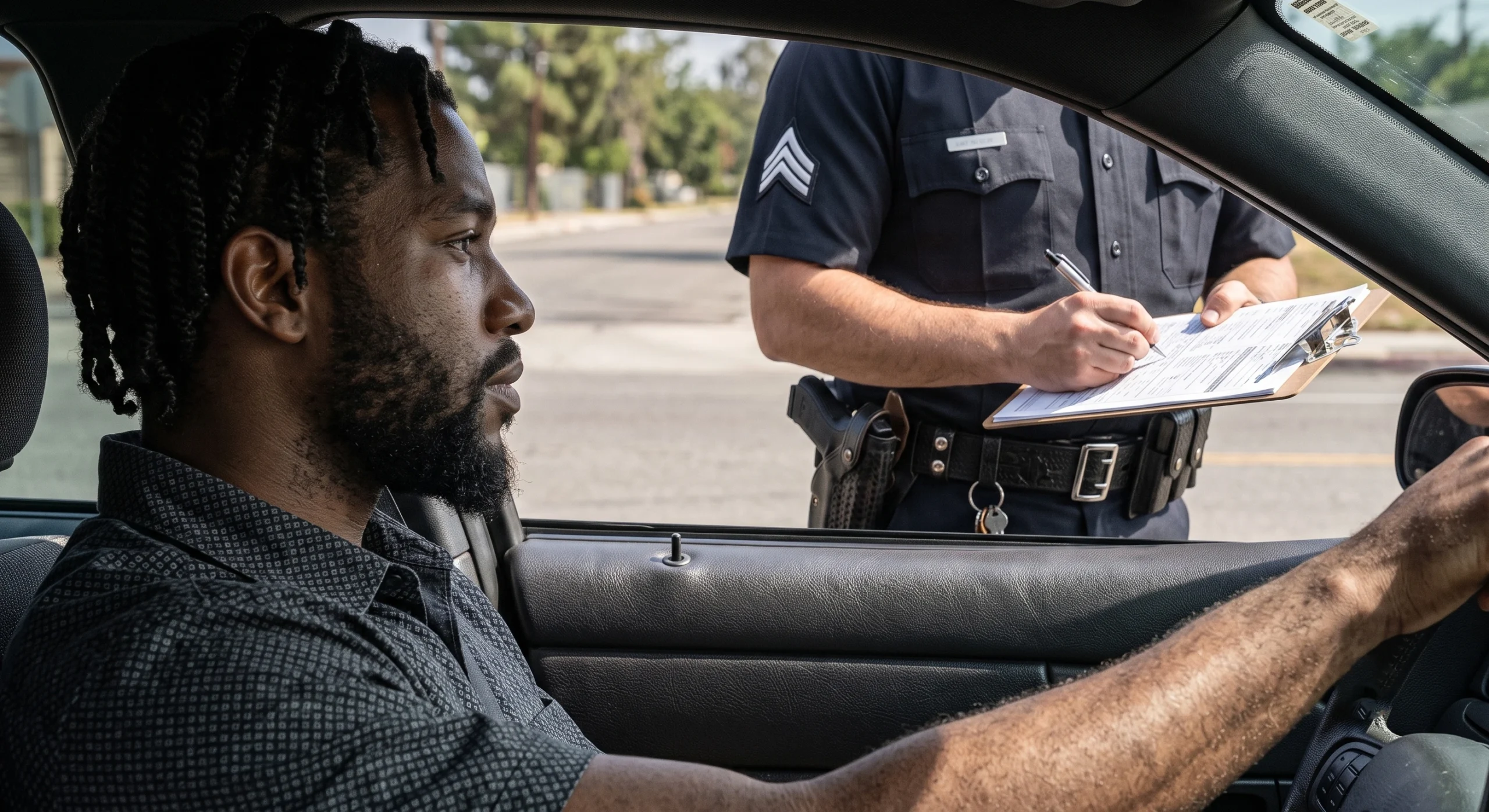
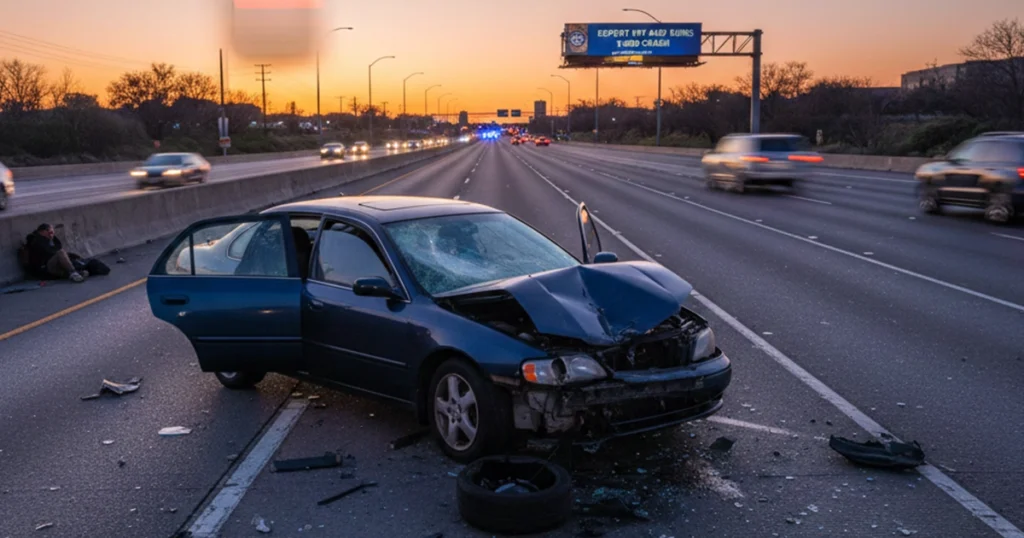
A hit-and-run is a serious offense under Texas law. Leaving the scene of an accident, no matter how minor it seems, can turn a routine collision into a criminal case. Depending on the circumstances, a hit-and-run may be charged as either a misdemeanor or a felony.
Texas imposes strict penalties for failing to stop after an accident, including fines, license suspension, and prison time in felony cases. If you were harmed in a hit-and-run or a car accident, a car accident attorney Houston can help protect your rights and pursue compensation.
What Is a Hit and Run?
A hit and run occurs when a driver fails to stop or leaves the scene of an accident without fulfilling legal duties. Texas law requires drivers to remain at the scene, exchange information, and assist injured parties. Even a brief stop followed by leaving can still be considered a hit and run. Drivers may face charges if they:
- Fail to stop after a collision
- Stop briefly, but leave before exchanging the required information
- Leave the scene before the police arrive when required
- Do not provide reasonable assistance to injured individuals
- Damage a vehicle or other property and fail to leave identifying information
What is a Hit-and-Run Charge
A hit-and-run charge occurs when a driver leaves the scene of an accident without fulfilling the legal duties required under Texas Transportation Code Chapter 550. These duties include exchanging identifying information, providing reasonable assistance to injured parties, and reporting property damage when required. Even accidents that seem minor at first can result in serious criminal charges and long-term consequences. In these situations, consulting an experienced car accident attorney Houston can be critical to understanding your rights and legal obligations. Drivers may be accused of a hit and run in situations such as:
- Failing to stop after a collision
- Stopping briefly but leaving before exchanging information
- Leaving the scene before the police arrive when required
- Failing to provide reasonable assistance to injured individuals
- Damaging a vehicle or other property and not leaving identifying information
Any of these actions can result in serious legal consequences, regardless of the perceived severity of the accident.
Texas Car Accident Law
Texas law outlines specific duties that every driver must follow after being involved in a collision. These requirements apply regardless of fault and are designed to ensure safety, accountability, and assistance for anyone affected by the accident. Failing to follow these legal obligations, even unintentionally, can result in criminal charges for leaving the scene.
Required Actions After a Collision
After an accident, Texas drivers are required to:
- Stop immediately at or near the scene of the crash
- Remain at the scene until all legal duties are completed
- Provide their name, address, and vehicle registration information
- Share insurance details with the other driver or property owner
- Show a valid driver’s license if requested
- Provide reasonable assistance to anyone who is injured
Leaving before completing these steps may be considered a hit and run.
What If the Property Owner Is Not Present?
Accidents involving unattended vehicles or damaged property still carry legal responsibilities. In these situations, drivers must:
- Stop at the scene
- Leave written contact information in a visible location
- Notify law enforcement when required
Failing to do so may still result in hit-and-run charges.
What Are the Penalties for a Hit and Run?
Texas classifies hit-and-run offenses based on the severity of the accident and the harm caused. The more serious the injury or damage, the harsher the penalties. These classifications are defined in the Texas Transportation Code Chapter 550, which distinguishes between property damage, injury, and death in hit-and-run incidents.
Property Damage – Only Accidents
When an accident results solely in property damage and no injuries, the offense is typically a misdemeanor. Penalties may include:
- Class C misdemeanor: Minor property damage, usually resulting in fines
- Class B misdemeanor: More significant property damage, potentially higher fines and court costs
For accidents involving damaged structures, fixtures, or landscaping, penalties are outlined under Texas Transportation Code § 550.025. Even misdemeanor charges can result in a permanent criminal record and affect insurance premiums.
Accidents Involving Bodily Injury & Death
Leaving the scene of an accident that causes injury is more serious and may be charged as a third-degree felony under Texas Transportation Code § 550.021. Potential penalties include:
- Fines up to $10,000
- Two to ten years in prison
These cases typically involve thorough investigations due to the severity of harm caused.
Additional Criminal Charges That May Apply
Hit-and-run charges are often filed alongside other offenses, which can increase legal exposure and penalties. These may include:
- Reckless driving
- Driving while intoxicated (DWI)
- Driving under the influence of drugs
- Failure to render aid or report a collision, as outlined in Texas Transportation Code § 550.026
Each additional charge can compound both fines and potential prison time, making early legal representation critical.
Can Hit-and-Run Charges Be Dropped?
Although hit-and-run charges are serious, they are not always straightforward. Every case is unique, and there may be defenses available depending on the circumstances surrounding the accident. An experienced attorney can evaluate the evidence and determine whether the prosecution can prove intent and knowledge. Defense arguments may include:
- The driver was unaware a collision occurred
- The driver left to find a safer location to stop
- The driver sought immediate medical attention
- There was no intent to flee the scene
- The driver was misidentified
The success of these defenses depends heavily on evidence and testimony.
What is the Statute of Limitations for Hit and Run
Texas law limits the amount of time prosecutors have to file criminal charges. These deadlines vary based on the severity of the offense.
- Misdemeanor hit and run: Up to two years from the date of the offense to file charges under (Texas Code of Criminal Procedure § 12.02).
- Felony hit and run: Up to three years from the date of the offense to file charges for most felony offenses under (Texas Code of Criminal Procedure § 12.01(7)).
Because evidence can deteriorate and witness memories can fade over time, early legal intervention is critical to protect your rights and ensure the best possible outcome.
What to Do If You Caused a Hit and Run?
If you are accused of leaving the scene of an accident, your response can significantly impact the outcome of your case. Acting quickly and carefully is essential. Important Steps to Take
- Avoid making statements without legal counsel
- Do not attempt to resolve the matter on your own
- Preserve any evidence related to the accident
- Contact a car accident attorney in Houston as soon as possible
Early legal guidance can protect your rights and improve your chances of a favorable resolution.
What to Do If You Are a Victim of a Hit and Run?
Victims of hit-and-run accidents often face physical, emotional, and financial challenges. Taking immediate action can help protect your health and legal interests.
- Call law enforcement right away
- Document vehicle descriptions and license plate details
- Collect witness contact information
- Seek medical attention promptly
- Consult a car accident attorney Houston to explore compensation options
Protecting Your Rights After a Hit-and-Run
A hit and run can be charged as a felony in Texas when an accident results in injury or death. Even incidents involving only property damage can carry serious legal consequences. Texas law places strict responsibilities on drivers after an accident, and failing to meet those duties can lead to severe penalties.
If you are facing hit-and-run charges or were injured by a driver who fled the scene, speaking with Lakhani & McGrath can help you understand your rights and take the next appropriate step forward.