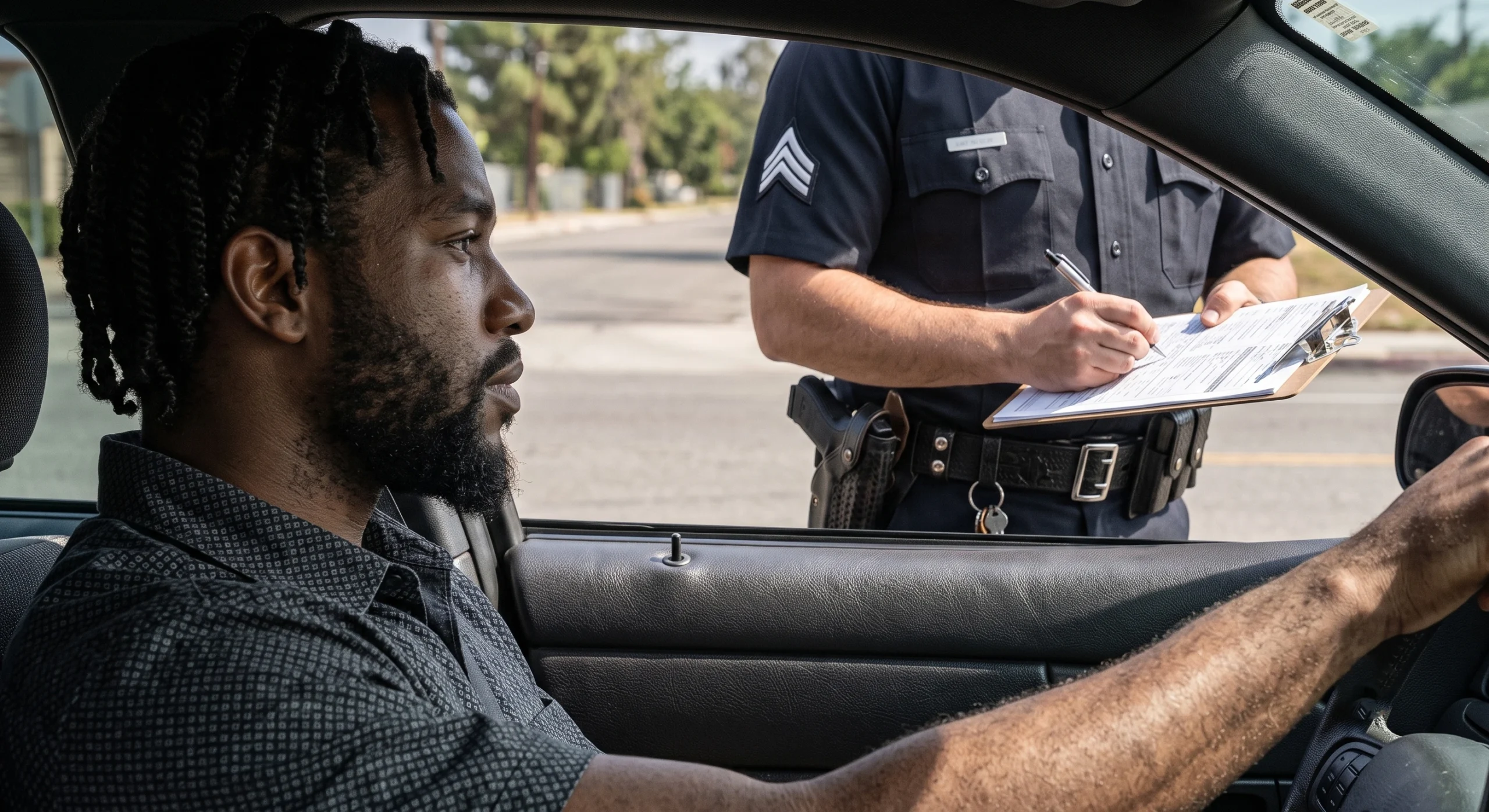

If you’ve been injured in a crash, understanding how Car Accident Settlements work in Texas can help you protect your rights and pursue fair compensation. From determining fault under Texas’ modified comparative negligence rules to negotiating with insurance companies, the settlement process can quickly become complex. Working with an experienced car accident attorney Houston residents trust can make a significant difference in gathering evidence, calculating damages, and handling insurer tactics.
What Is a Car Accident Settlement?
Car accident settlements are agreements that resolve a claim after a crash without going to trial. In a settlement, the at-fault party’s insurance company agrees to pay compensation for damages such as medical bills, lost wages, vehicle repairs, and pain and suffering. In exchange, the injured person agrees not to pursue further legal action related to the accident.
Read more: What to Do After a Car Accident in Houston
Key Laws of Car Accident Settlements in Texas
When it comes to settling a car accident in Texas, these are the key laws to understand:
- Fault State: Texas follows a fault-based system, meaning the at-fault driver and their insurance company are responsible for paying damages.
- 51% Bar Rule (Modified Comparative Fault): You cannot recover compensation if you are more than 50% at fault. If you are 50% or less at fault, your compensation is reduced by your percentage of responsibility.
- Statute of Limitations: You generally have two years from the date of the accident to file a personal injury lawsuit.
- Average Settlement Amounts: There is no fixed amount. Settlements vary widely based on the severity of injuries, medical expenses, lost wages, and property damage, ranging from thousands for minor injuries to significantly higher amounts for serious cases.
The Complete Process of Car Accident Settlements
Here’s a clear overview of the Car Accident Settlements process in Texas, based on accurate legal and insurance practices:
1. Report the Accident & File Claims
After a crash, you must exchange information with the other driver and notify both your insurance company and the at-fault driver’s insurer. If certain damage or injuries occur, you also need to report the collision to the Texas Department of Transportation within 10 days.
2. Seek Medical Care & Document Injuries
Get medical treatment right away, not only for your health but also to document injuries. Your medical records become key evidence in your settlement. Wait until your condition stabilizes or you’ve reached “maximum medical improvement” before pushing for a settlement, so future costs are included.
3. Insurance Investigation
The insurance company reviews your claim, including the police report, medical records, photos, and witness statements. Under Texas law, insurers must acknowledge your claim within 15 days and generally complete their investigation in about 45 days.
4. Demand Letter and Negotiations
Once your injuries and costs are sufficiently documented, your attorney (if you have one) sends a demand letter outlining liability and the compensation you’re seeking. The insurer will respond with an offer or counteroffer, and both sides negotiate. This negotiation phase is a central part of achieving a Car Accident Settlement.
5. Settlement Agreement or Lawsuit
If negotiations succeed, you enter a settlement agreement and sign a release stating you won’t pursue additional claims related to the accident. Most settlements occur through negotiation. If the insurer won’t offer a fair amount, you may need to file a personal injury lawsuit before the two-year statute of limitations expires.
6. Receiving Your Settlement
After signing, insurance companies typically issue payment within a few weeks. Simple cases may settle in a few months, while complex cases with serious injuries, disputed fault, or litigation can stretch a year or more.
Read Related: Hiring an Auto Accident Attorney in Houston
What You Can Recover in a Car Crash Settlement
In a car crash settlement in Texas, you may be entitled to recover both economic and non-economic damages depending on the severity of your injuries and losses.
1. Economic Damages
These are financial losses with clear monetary value, including:
- Medical Expenses: Emergency care, hospital bills, surgeries, medications, physical therapy, and future medical treatment.
- Lost Wages: Income lost while recovering from your injuries.
- Loss of Earning Capacity: Reduced ability to earn income in the future due to long-term or permanent injuries.
- Property Damage: Repair or replacement of your vehicle and other damaged property.
- Out-of-Pocket Costs: Transportation to medical appointments, medical equipment, and other accident-related expenses.
2. Non-Economic Damages
These compensate for personal and emotional losses that don’t have a fixed dollar amount, including:
- Pain and Suffering: Physical pain and ongoing discomfort caused by the accident.
- Emotional Distress: Anxiety, depression, PTSD, or other psychological impacts.
- Loss of Enjoyment of Life: Inability to participate in hobbies or daily activities you once enjoyed.
- Loss of Consortium: Impact on your relationship with your spouse or family due to serious injuries.
The total value of a car crash settlement depends on the extent of your injuries, recovery time, and how the accident has affected your life overall.
Key Factors Affecting Texas Car Accident Settlement
When settling a car accident claim in Texas, several key factors directly affect the final payout. These elements determine whether your case falls below or above the average car wreck settlement amount.
- Severity of Injuries: More serious injuries typically lead to higher settlements. Long-term disabilities, surgeries, or permanent impairment significantly increase claim value.
- Medical Expenses: Both current and future medical costs play a major role. Higher documented treatment expenses usually increase compensation.
- Lost Income and Earning Capacity: If you miss work or cannot return to the same job, lost wages and reduced earning ability will impact the settlement amount.
- Degree of Fault: Texas follows the 51% modified comparative fault rule. If you are partially at fault, your compensation is reduced by your percentage of responsibility.
- Pain and Suffering: Physical pain, emotional distress, and reduced quality of life can substantially influence settlement value.
- Insurance Policy Limits: Even strong cases may be limited by the at-fault driver’s insurance coverage.
- Strength of Evidence: Police reports, medical records, witness statements, and accident reconstruction can strengthen your claim and increase negotiating power.
If you’re unsure how these factors apply or want to ensure fair compensation, speaking with an experienced car accident attorney can help protect your rights and strengthen your claim. If you are searching for the best car accident attorney near me, consulting a qualified professional can guide you and improve your chances of a successful outcome.
How Long Does a Car Accident Settlement Take?
In Texas, there is no fixed timeline for a car accident settlement. Simple cases with minor injuries may resolve in about 3 to 6 months, while most claims settle within 6 to 12 months. More complex cases involving serious injuries, disputed fault, or multiple parties can take 12 to 18 months or longer, and lawsuits may extend the process to several years.
Read more: How Long Does an Auto Accident Settlement Take?
Get Legal Help Today
Understanding car accident settlements in Texas can make a significant difference in protecting your rights and maximizing your compensation. From fault rules to settlement timelines, having the right legal guidance ensures you don’t settle for less than you deserve.
Lakhani & McGrath provides dedicated, results-driven representation to help you navigate every step of the process. If you’ve been injured in a crash, their team is ready to fight for the compensation you deserve.