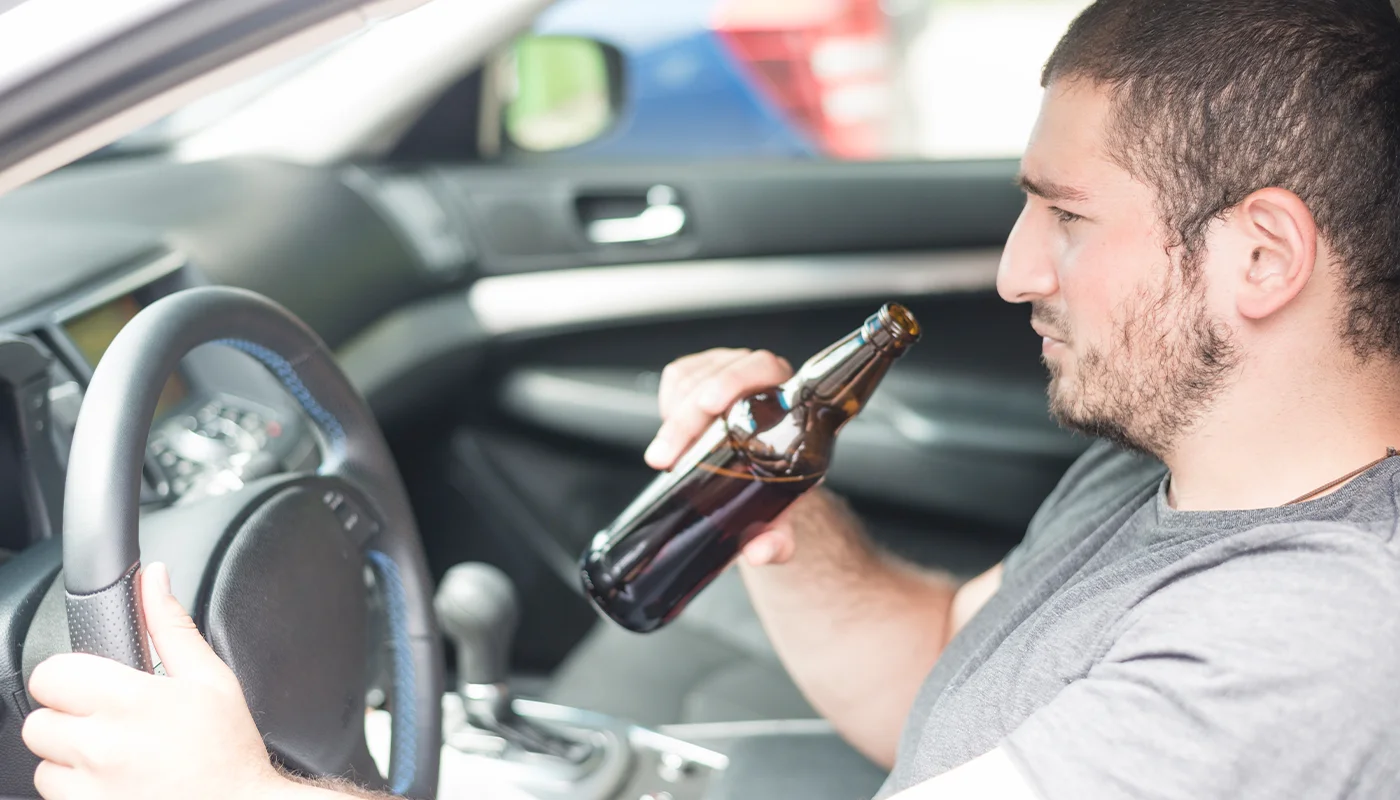
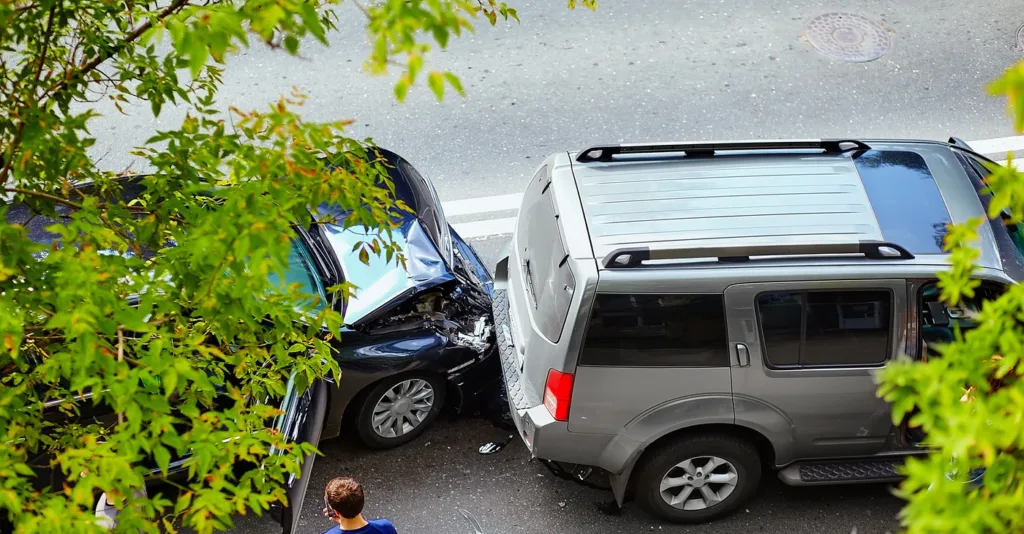
A t-bone accident can happen in seconds but leave victims facing serious injuries, vehicle damage, and complicated legal questions. These side-impact crashes are common at intersections and often involve disputes over who had the right of way. Understanding your rights after a collision is essential to protecting your health and financial recovery.
If you’ve been injured, speaking with an experienced Houston car accident attorney residents trust can help you understand your legal options and pursue fair compensation.
What Is a T-Bone Accident?
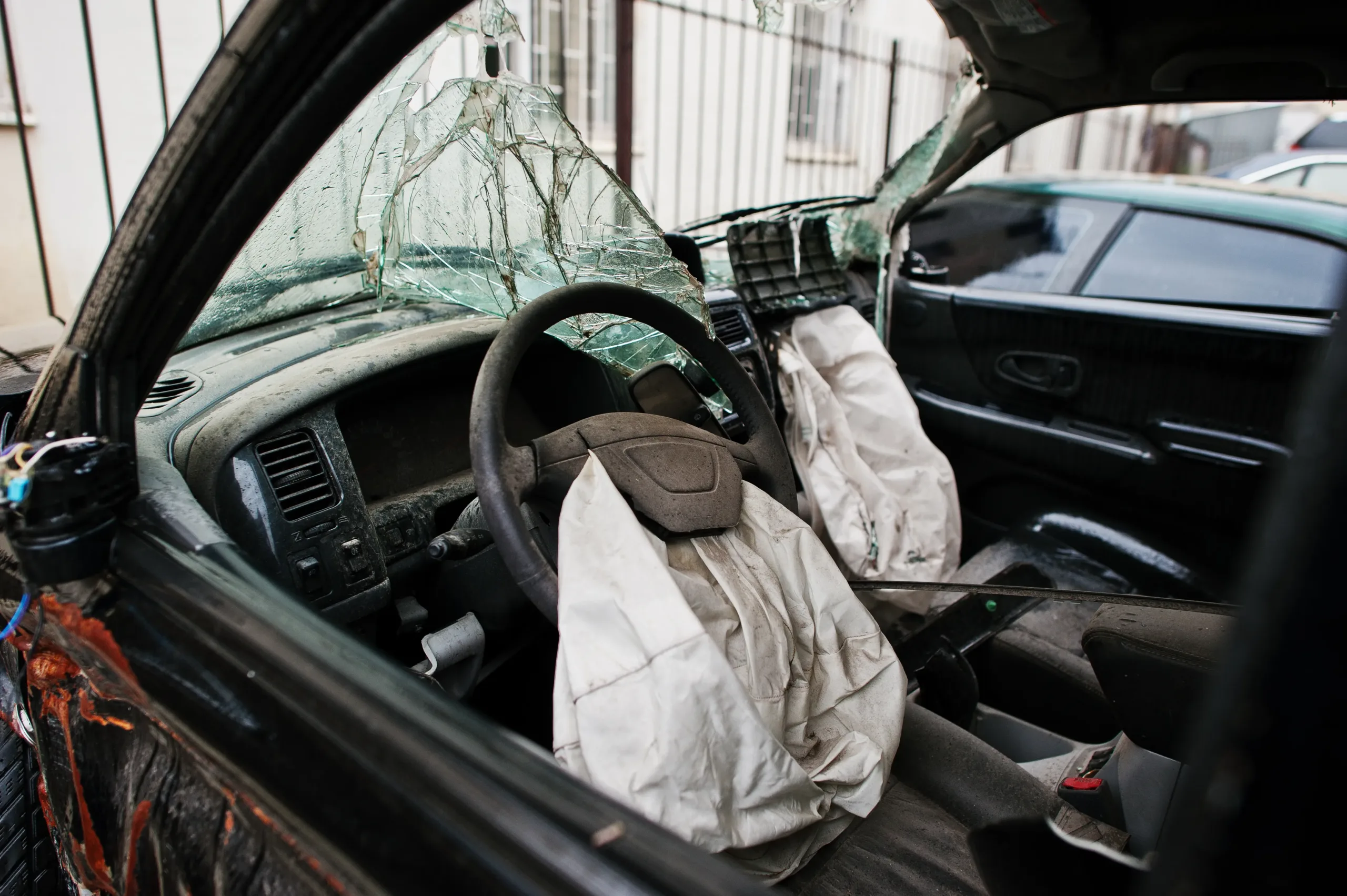
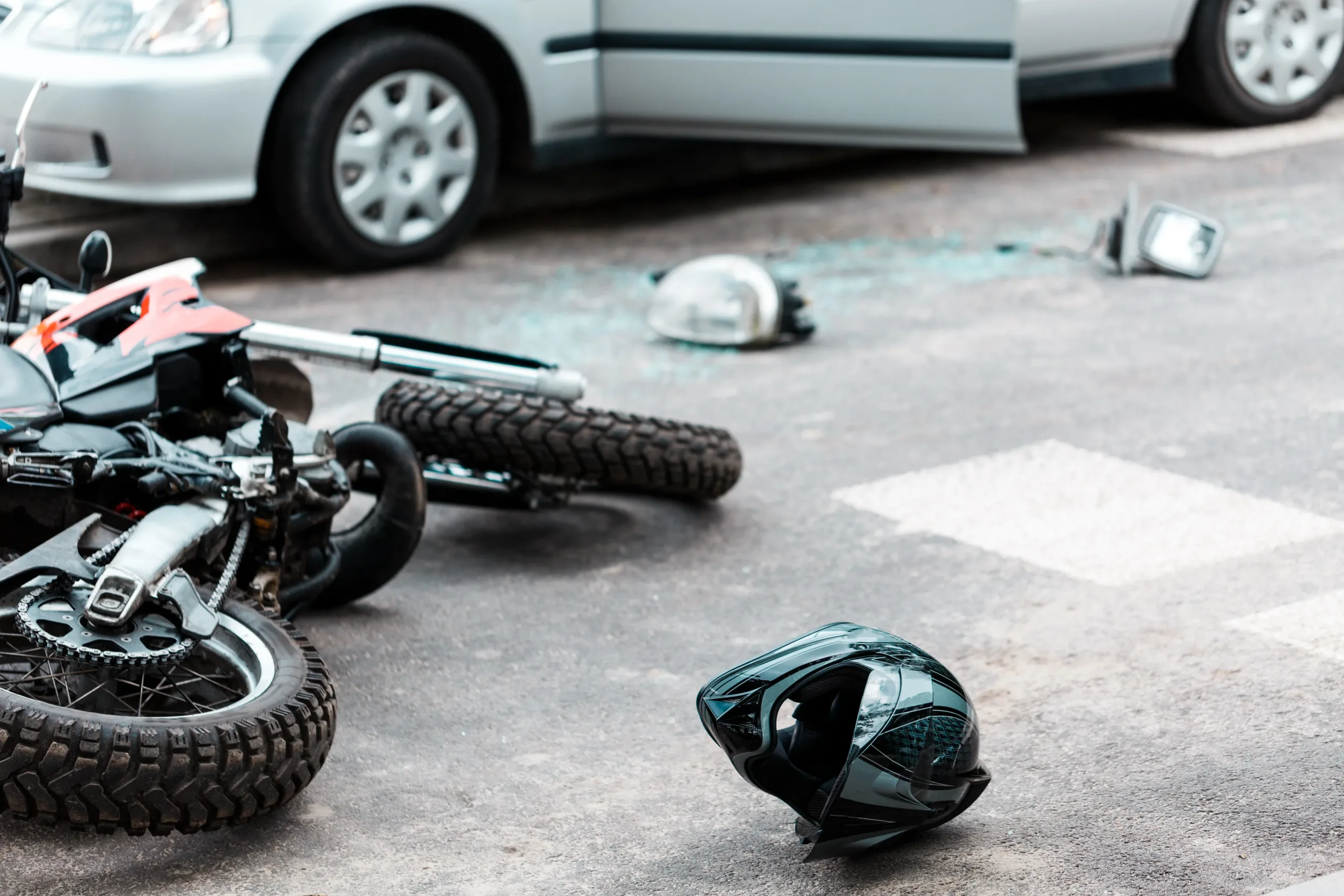
A t-bone accident occurs when the front of one vehicle crashes into the side of another, forming a “T” shape at the point of impact, also known as a t-bone collision or side-impact crash. Research shows that about 13% of all car accidents in the United States are t-bone collisions, highlighting how common and dangerous these crashes can be.
Situations That Cause T-Bone Accidents
- Running Red Lights: One of the most common causes of a t-bone collision is a driver ignoring traffic signals. When a driver runs a red light or stop sign, they may strike a vehicle traveling legally through the intersection.
- Failure to Yield the Right of Way: Drivers making left turns or entering intersections sometimes misjudge traffic or fail to yield. This mistake can cause a t-bone accident when another vehicle approaches from the side.
- Distracted Driving: Using a phone, adjusting navigation, eating, or talking to passengers can cause drivers to miss traffic signals or approaching vehicles, increasing the risk of a t-bone collision.
- Speeding Through Intersections: Speeding reduces reaction time and increases impact force. When drivers approach intersections too fast, they may not be able to stop in time, leading to a t-bone accident.
- Road Conditions: Heavy rain, fog, obstructed views, or poorly designed intersections can make it harder for drivers to see cross-traffic, increasing the chances of a t-bone collision.
Read more: What to Do After a Car Accident?
Injuries in a T-Bone Accident
A t-bone accident can cause severe injuries because the side of a vehicle offers less protection during impact. In a t-bone crash, the force is often transferred directly to the passengers sitting on the impacted side, which can lead to both immediate and long-term medical complications. Some of the most common injuries include:
1. Whiplash
Whiplash is one of the most common injuries in a t-bone accident. It happens when the head and neck are suddenly forced back and forth due to the impact. This rapid motion can strain muscles, ligaments, and tendons in the neck.
2. Traumatic Brain Injuries (TBI)
A t-bone crash can cause the head to strike the window, door frame, or another part of the vehicle, leading to traumatic brain injuries. These injuries range from mild concussions to severe brain trauma. Victims may experience confusion, headaches, memory problems, sensitivity to light, nausea, or loss of consciousness.
3. Spinal Cord Injuries
The violent side impact in a t-bone accident can place extreme pressure on the spine. Damage to the spinal cord may result in partial or complete loss of movement or sensation below the injury site. Even less severe spinal injuries can lead to chronic pain, nerve damage, or long-term mobility problems.
4. Bone Fractures
The force of a t-bone accident can also cause fractures in the arms, legs, hips, or pelvis. These injuries may occur when the body is thrown against the door, dashboard, or other hard surfaces during the collision. Some fractures heal with immobilization and physical therapy, while more severe breaks may require surgery and months of recovery.
5. Neck and Back Injuries
Neck and back injuries are common in any t-bone crash due to the sudden twisting motion the body experiences during impact. Victims may develop herniated discs, muscle strains, ligament damage, or chronic lower-back pain. In some cases, these injuries can significantly affect a person’s mobility and ability to work or perform daily activities.
Who Is at Fault in a T-Bone Accident?
Determining fault in a t-bone accident usually depends on which driver had the right of way at the time of the crash. Because these collisions most often occur at intersections, investigators typically review traffic signals, road signs, and driver behavior to identify who violated traffic laws. In many cases, police reports, traffic camera footage, witness statements, and accident reconstruction help determine exactly who caused the t-bone accident.
If you’ve been injured in a crash and need legal guidance, the attorneys at Lakhani & McGrath the best car accident attorney near me offer experienced guidance to help protect your rights and maximize your recovery. Contact our team today for trusted legal support.
Read Related: Hiring an Auto Accident Attorney in Houston
Legal Rights and Compensation After a T-Bone Accident
You should understand Texas traffic and liability laws after a t-bone accident, especially when determining what to do if the crash was not your fault and when pursuing compensation. Several legal rules can affect how a claim from a t-bone collision is handled.
1. Modified Comparative Fault in Texas
Texas follows a modified comparative fault rule, commonly known as the 51% rule, under Texas Civil Practice and Remedies Code § 33.001. This law states that a person injured in a t-bone accident can recover compensation as long as they are not more than 50% responsible for the crash. If the injured party is found 51% or more at fault, they are generally barred from recovering damages.
2. Texas Statute of Limitations
Texas law also places a strict time limit on filing a claim after a t-bone accident. Under the statute of limitations, injured victims generally have two years from the date of the crash to file a personal injury lawsuit.
If a claim is not filed within this period, the injured party may lose the legal right to seek compensation for injuries, medical expenses, lost wages, and other damages resulting from the t-bone collision.
3. Insurance Requirements in Texas
Texas requires all drivers to carry minimum liability insurance to cover damages if they cause an accident. These requirements are established under Texas Transportation Code § 601.072. The minimum coverage limits are commonly referred to as 30/60/25 coverage, which includes:
- $30,000 for bodily injury per person
- $60,000 total bodily injury coverage per accident
- $25,000 for property damage
4. Economic Damages
Economic damages cover the direct financial losses caused by a t-bone accident. These are measurable costs that can usually be proven with bills, receipts, or employment records. Common examples include:
- Medical expenses
- Lost wages
- Reduced earning capacity
- Property damage, including vehicle repair or replacement after a t-bone collision
5. Non-Economic Damages
Non-economic damages compensate victims for the physical and emotional impact of a t-bone accident that cannot be easily measured in dollars. These damages recognize how the crash affects a person’s quality of life. They may include:
- Pain and suffering
- Emotional distress or trauma
- Loss of enjoyment of life
- Permanent disability
- Loss of companionship
6. Punitive Damages
In some situations, courts may award punitive damages after a t-bone collision. Unlike economic or non-economic damages, punitive damages are meant to punish the at-fault driver for especially reckless or intentional behavior and to discourage similar conduct in the future. These damages may apply in cases involving serious negligence, such as:
- Drunk or impaired driving
- Extremely reckless driving or excessive speeding
- Intentional conduct that caused the t-bone accident
Get Legal Help Today
A t‑bone accident can leave victims dealing with serious injuries, mounting medical bills, and questions about how to move forward. Having a trusted legal team on your side can make all the difference when it comes to protecting your rights, navigating the claims process, and pursuing the full compensation you deserve.
The attorneys at Lakhani & McGrath combine extensive legal experience with a deep understanding of how insurance companies operate, giving you an edge when handling claims from t‑bone collisions and other serious crashes. Our team offers personalized attention, handles every step from investigation through negotiation or trial, and provides a free case review so you can understand your options without upfront cost, all aimed at helping you secure justice and peace of mind.