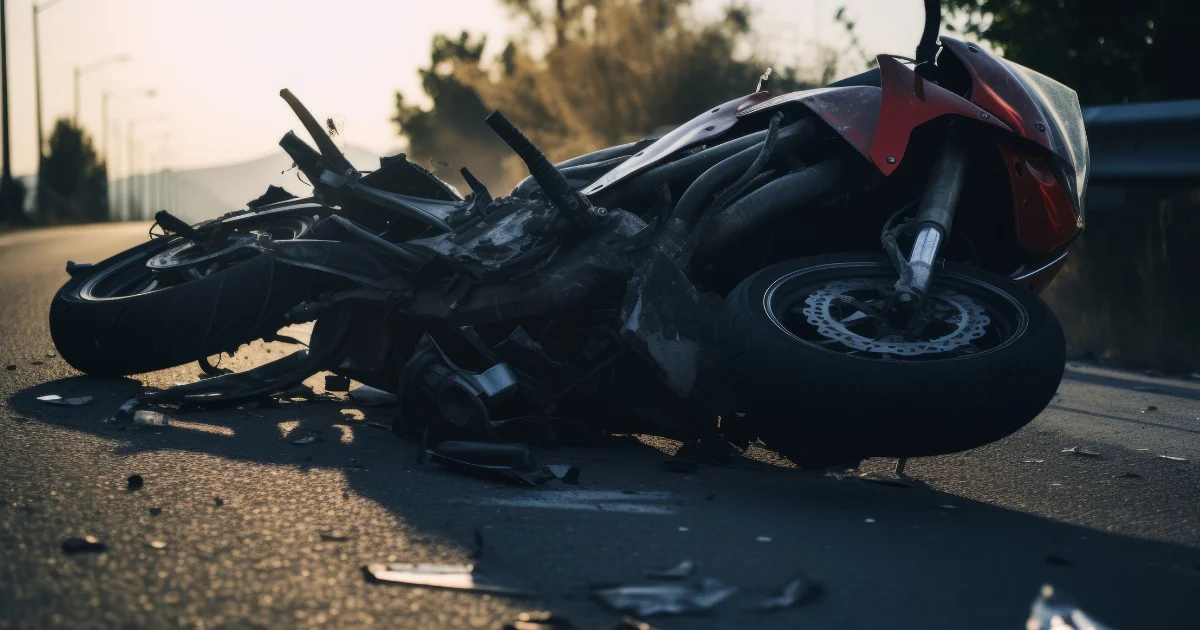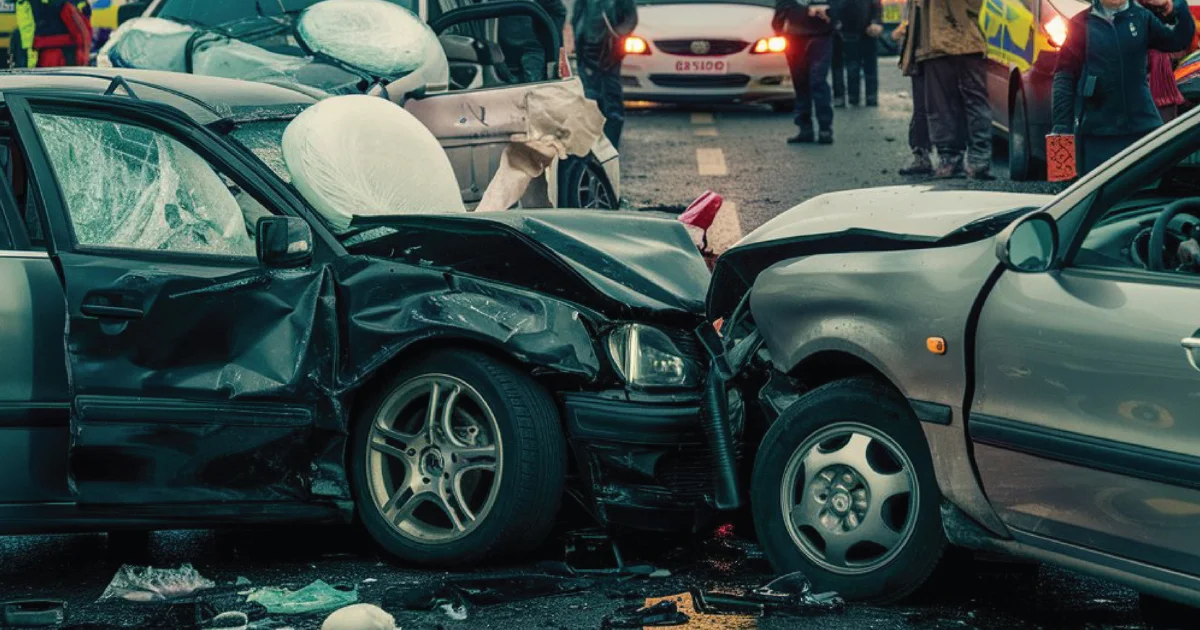

Sitting in bumper-to-bumper traffic can be frustrating for any motorcyclist, which is why many riders wonder whether they can legally ride between lanes to move ahead of stopped or slow-moving vehicles. While lane splitting is permitted in a few states, Texas has its own traffic laws that every rider should understand before attempting this maneuver.
Knowing whether lane splitting is legal in Texas is more than a matter of avoiding a ticket. It can also affect who is found at fault after a crash and may impact your ability to recover compensation if you’re involved in a motorcycle accident. In these situations, a personal injury lawyer Houston can help protect your rights and evaluate your legal options.
What Is Lane Splitting?
Lane splitting occurs when a motorcyclist rides between two lanes of traffic traveling in the same direction. Instead of remaining fully within a designated lane, the rider moves between vehicles to advance through slow-moving or stopped traffic.
For example, imagine traffic is backed up on Interstate 45 during rush hour in Houston. Rather than waiting behind other vehicles, a motorcyclist rides between two lanes of cars to move ahead. This maneuver is considered lane splitting. Many riders use lane splitting to reduce travel time and avoid prolonged exposure to stop-and-go traffic. However, because vehicles can change lanes unexpectedly and drivers may not anticipate motorcycles traveling between lanes, the practice can create significant safety concerns.
Lane Splitting vs. Lane Filtering vs. Lane Sharing
Motorcycle riders often use terms like lane splitting, lane filtering, and lane sharing interchangeably, but these practices have important legal and safety differences. Understanding what each term means can help riders comply with Texas traffic laws and avoid actions that could affect their rights after an accident. If a crash occurs, a Houston motorcycle accident lawyer may also examine whether any of these maneuvers played a role in determining liability.
- Lane Splitting: Riding between two lanes of moving vehicles traveling in the same direction. Although legal in some states, lane splitting is not currently permitted in Texas.
- Lane Filtering: Moving between stopped or slow-moving vehicles, typically at intersections or traffic lights, to reach the front of traffic. Texas law does not currently allow lane filtering on public roads.
- Lane Sharing: Two motorcycles riding side-by-side within the same traffic lane. Texas generally permits lane sharing when done safely, but no more than two motorcycles may ride abreast in a single lane.
Understanding these distinctions is important because violating traffic laws can impact fault determinations and injury claims.
Is Lane Splitting Legal in Texas?
No. Lane splitting is illegal throughout Texas. For many years, there was debate about whether lane splitting was technically prohibited under Texas traffic laws. While existing statutes required drivers to remain within a single lane, they did not specifically mention lane splitting. To eliminate confusion, Texas lawmakers enacted legislation that directly addresses motorcycle operation on roadways with multiple lanes. Under Texas Transportation Code Section 545.0605, motorcycle operators are prohibited from:
- Riding between lanes of traffic moving in the same direction.
- Passing another vehicle while remaining within the same lane occupied by that vehicle.
- Operating more than two motorcycles abreast in a single lane.
As a result, there is now no ambiguity regarding lane splitting in Texas. Riders who engage in the practice are violating state traffic laws and may need a motorcycle accident lawyer near me if a crash leads to liability disputes.
Why Is Lane Splitting Illegal in Texas?
Supporters and opponents of lane splitting have debated its safety for years. While some studies suggest the practice may reduce certain types of accidents, Texas lawmakers have concluded that the potential risks outweigh the benefits. As a result, lane splitting remains illegal throughout the state.
- Drivers Do Not Expect It: Most drivers focus on vehicles traveling within designated lanes and may not anticipate a motorcycle moving between them. This lack of expectation can lead to sudden collisions, particularly in congested traffic. Even cautious drivers may fail to notice a motorcycle until it is too late to react.
- Sudden Lane Changes: Traffic conditions can change in an instant, causing drivers to switch lanes unexpectedly. A motorcyclist riding between lanes has very little space to avoid a vehicle that suddenly moves into their path. These situations often result in serious side-impact or sideswipe accidents.
- Reduced Reaction Time: Riding between vehicles leaves limited room for evasive action when hazards arise. In heavy traffic, both drivers and motorcyclists have less time to react to sudden stops, debris, or changing road conditions. This reduced reaction time can significantly increase the risk of a crash.
- Limited Visibility: Motorcycles are already smaller and less visible than passenger vehicles. When traveling between lanes, they can be even harder for drivers to see in mirrors or blind spots. Reduced visibility increases the likelihood of accidents, especially during periods of heavy traffic or poor weather conditions.
What Happens If You Are Caught Lane Splitting?
Because lane splitting is illegal in Texas, riders who engage in the practice may face legal and financial consequences. A traffic stop or citation can affect more than just your driving record, especially if an accident occurs. Understanding the potential penalties can help riders make informed decisions on the road.
- Traffic Fines: Riders may receive a citation and be required to pay a monetary fine. The amount can vary depending on the circumstances and local jurisdiction.
- Moving Violations: A lane-splitting citation may be recorded as a moving violation, which can negatively impact a rider’s driving history.
- Increased Insurance Premiums: Insurance companies may view lane-splitting violations as risky behavior, potentially leading to higher insurance rates.
- Additional Consequences: If lane splitting contributes to a crash or reckless driving allegations, riders could face more serious legal and financial penalties.
Although a citation may seem minor, the long-term costs associated with fines, insurance increases, and liability disputes can be significant.
How Lane Splitting Can Affect Accident Claims
One of the most important reasons to understand Texas lane splitting laws is their impact on personal injury claims. If a motorcyclist is involved in an accident while lane splitting, insurance companies may use the violation to argue that the rider contributed to the crash. Texas follows a modified comparative negligence system. Under this system, compensation may be reduced if an injured party is partially responsible for an accident. For example:
- If a rider is found 20% responsible, compensation may be reduced by 20%.
- If a rider is found more than 50% responsible, they may be barred from recovering compensation entirely.
Insurance adjusters often look for any opportunity to shift blame onto injured motorcyclists. If lane splitting is involved, insurers may argue that the rider’s actions directly contributed to the collision. Even when another driver was clearly negligent, lane splitting can complicate the claims process and reduce the amount of compensation available.
Lane Splitting Collision Types
Lane splitting increases the risk of motorcycle accidents, particularly in heavy traffic. Because riders have limited protection, even minor collisions can cause serious injuries. A Houston motor vehicle accident attorney can help protect your rights after a crash.
- Lane Change Accidents: Drivers may change lanes without noticing a motorcycle traveling between vehicles. This can lead to sideswipe collisions or force a rider out of their lane.
- Blind Spot Collisions: A motorcycle riding between lanes can remain hidden in a driver’s blind spot. When a driver merges, the rider may have little time or space to avoid a crash.
- Sideswipe Accidents: Lane splitting leaves very little clearance between vehicles. Even a slight movement by either vehicle can result in dangerous contact.
- Rear-End Collisions: Sudden traffic slowdowns can leave riders with limited reaction time. Without enough room to maneuver, a rear-end collision may occur.
These accidents often cause severe injuries because motorcyclists lack the physical protection available to occupants of passenger vehicles.
What Should You Do After an Accident?
The steps you take after a motorcycle accident can have a significant impact on both your recovery and your legal claim. Acting quickly helps preserve evidence, protect your rights, and strengthen your ability to pursue compensation. If you have been injured, consulting a Houston motorcycle accident attorney as soon as possible can be beneficial.
- Seek Medical Treatment: Get medical attention immediately, even if your injuries seem minor.
- Contact Law Enforcement: Request a police report to document the accident and its circumstances.
- Document the Scene: Take photos of vehicle damage, injuries, road conditions, and other evidence.
- Gather Witness Information: Collect contact details from anyone who witnessed the accident.
- Avoid Admitting Fault: Be careful about statements made to drivers, police, or insurance companies.
- Consult a Motorcycle Accident Attorney: Our experienced attorney can evaluate your case and protect your right to compensation.
Get Trusted Legal Guidance
If you were injured in a motorcycle accident, you should not have to face insurance companies and complex legal issues alone. An experienced Texas motorcycle accident lawyer can investigate your case, protect your rights, and pursue the maximum compensation available for your injuries, medical expenses, lost wages, and other damages. Contact Lakhani & McGrath today for a free consultation and learn how we can help you move forward after a serious motorcycle accident.