
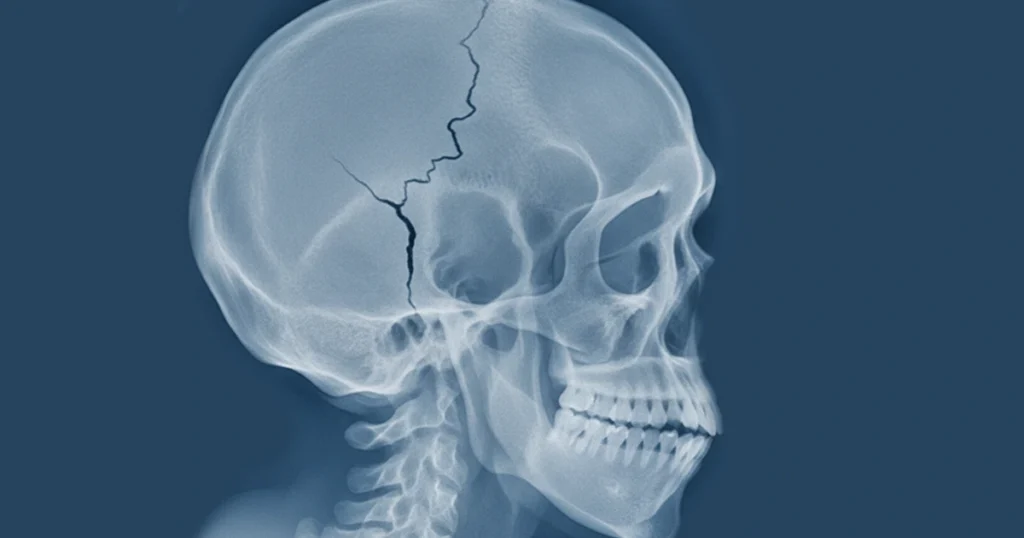
A skull fracture is far more than just a cracked bone. It’s an injury that can lead to life‑threatening complications and serious long‑term consequences. Whether the fracture occurs due to a car accident, a fall at work, or any other accident, the potential risks are real, and they can quickly become worse without proper medical care and legal guidance. If you or someone you know has experienced a skull fracture, the first thing to understand is this: the injury may seem straightforward, but it carries significant medical and legal implications. Our personal injury lawyer in Houston helps accident victims pursue the compensation they deserve while guiding them through the complex process of medical recovery and legal recovery.
What You Should Be Aware Of
Although a skull fracture might appear minor at first, it’s important to understand the serious complications it can lead to. Even a small crack in the skull can result in catastrophic effects:
- Brain Bleeding: A fractured skull can cause blood vessels in the brain to tear, which leads to internal bleeding. If left untreated, this can increase pressure on the brain, potentially causing permanent damage or death.
- Brain Swelling (Edema): After an impact, the brain can swell inside the skull. If not managed quickly, brain swelling can result in a loss of brain function and may lead to coma or death.
- Cognitive and Motor Impairments: Even mild fractures can lead to memory loss, difficulty concentrating, or loss of physical coordination. These impairments can affect your ability to work, care for yourself, or enjoy daily activities.
- Long-Term Impact: Skull fractures may cause permanent disability, including seizures, vision impairment, or speech difficulties, potentially requiring lifelong care and support.
How to Pursue Legal Claims
Skull fractures often result from high-impact situations, many of which could be preventable with proper care. Identifying the cause is crucial for establishing liability in a personal injury claim. Common scenarios and corresponding legal considerations include:
- Car Accidents: Even minor collisions can cause skull fractures if the head strikes the dashboard, window, or airbag. Legal claims may involve establishing liability, negotiating with insurance companies, and ensuring claims are filed within the two-year statute of limitations (Texas Civil Practice & Remedies Code §16.003).
- Slip-and-Falls: Falls on wet floors, uneven surfaces, or poorly maintained stairs in stores, offices, or public spaces may result from negligence, creating premises liability cases. Medical documentation is crucial to show the extent of injury, long-term effects, and to comply with legal timelines.
- Workplace Accidents: Construction sites, warehouses, and factories pose risks from falling objects, machinery malfunctions, or unsafe conditions, potentially leading to workers’ compensation or third-party negligence claims. Collaborating with medical experts helps prove severity, ongoing care needs, and supports damages under Texas law.
- Physical Assault: Blunt force trauma from assault can cause serious skull fractures, opening avenues for both criminal and civil action. Calculating damages, including medical expenses, lost wages, rehabilitation costs, and pain and suffering, is essential, especially under comparative fault rules (victims must be ≤50% at fault to recover; Texas Civil Practice & Remedies Code §33.001).
- Sports Injuries: High-contact sports or recreational activities like cycling can cause fractures, particularly if proper safety equipment is not used, supporting negligence claims. Timely legal action and thorough documentation help ensure fair compensation.
- Tolling for Minors or Incapacitated Persons: If the injured person is a minor or legally incapacitated, the statute of limitations may be extended (Texas Civil Practice & Remedies Code §16.001).
- Comparative Fault Rules: Texas follows a modified comparative fault system, so victims can recover damages only if they are 50% or less at fault.
- Non-Economic Damages: Victims may be entitled to compensation for pain and suffering, emotional distress, and loss of quality of life under Texas Civil Practice & Remedies Code §41.001–§41.008.
Importance of Documenting Symptoms and Injuries
Proper documentation is crucial for building a successful case. Here’s what to encourage your clients to do:
1. Maintain a Journal of Symptoms:
Ask your client to document their symptoms daily, including headaches, dizziness, memory issues, changes in mood, or confusion. Detailed records will demonstrate the ongoing impact of the injury.
2. Photograph Visible Injuries:
Even if bruising or swelling seems minor, clear photos can serve as valuable evidence to support the extent of the injury.
3. Immediate Medical Attention:
Every doctor visit, CT scan, MRI, or surgical procedure should be documented. These records will play a pivotal role in proving the injury’s severity.
4. Track Limitations on Daily Activities:
Difficulty returning to work, participating in hobbies, or even doing simple household tasks can all affect your client’s quality of life. Documenting these limitations provides insight into the real-world impact of the injury.
5. Gather Witness Statements:
Anyone who has observed changes in your client’s health, behavior, or ability to perform daily tasks can provide critical testimony.
Lakhani & McGrath can fight for Fair Compensation
A skull fracture is a serious injury that can have long-term consequences, and navigating the legal complexities can feel overwhelming. At Lakhani & McGrath, we understand the physical, emotional, and financial toll this injury can take. We are here to guide you through the process and help secure the compensation you deserve. From the moment you reach out, our team will begin investigating your case, gathering crucial evidence, and working with medical experts to fully understand the long-term impact of your injury. We will ensure that your claim is properly valued and fight against insurance companies that may try to undervalue your suffering. Throughout the entire process, from immediate medical care to long-term recovery, we’ll be by your side every step of the way.