Driving safely is more than following speed limits; it’s about knowing when to give the right-of-way. Yielding helps prevent accidents, protect pedestrians and cyclists, and avoid traffic conflicts.
Yielding means letting another road user go first, which may require slowing down or stopping. In busy Houston streets and highways, failing to yield can lead to accidents and legal issues, often requiring a Houston car accident lawyer to resolve claims or liability.
Yield Meaning in Driving
Yielding is more than simply slowing down; it is about judgment and awareness. Drivers must assess the situation and decide whether it is safe to proceed.
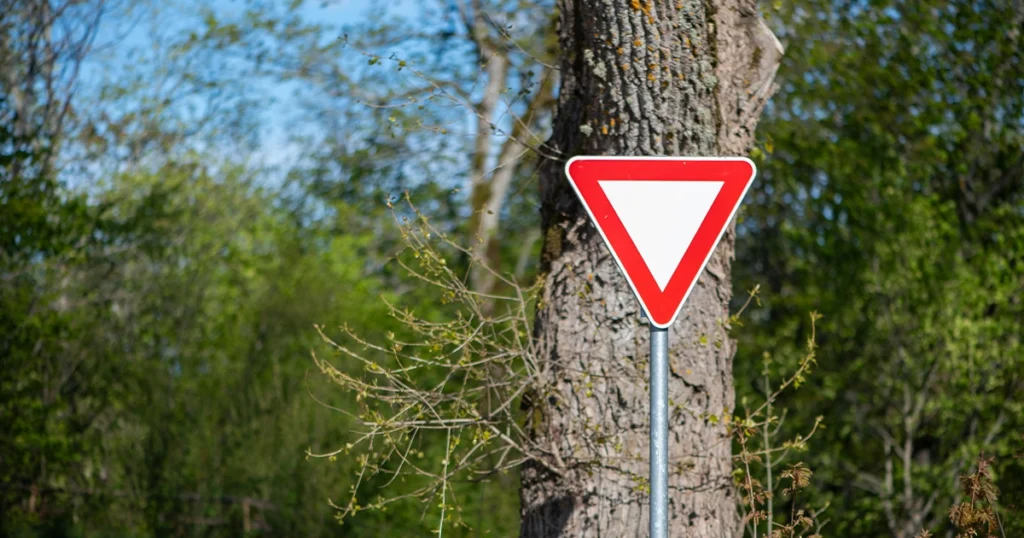
To yield means allowing others to go first when they have the legal right-of-way. Unlike a stop sign, you only stop if necessary. Yielding is a proactive safety measure: it prevents collisions before they occur.
Why Yielding Is Important
- Prevents Accidents: Yielding at intersections, roundabouts, and merges significantly reduces the chance of collisions.
- Protects Vulnerable Road Users: Pedestrians and cyclists rely on drivers yielding to cross safely.
- Legal Compliance: Failure to yield is enforceable under Texas law and can lead to fines, lawsuits, and insurance complications.
Yielding properly is one of the simplest ways to be a responsible driver while keeping roads safer for everyone.
Rules for Yield Signs
Understanding the rules for yielding is essential to driving legally and safely. These rules are backed by Texas traffic laws and apply in most common driving situations.
Intersections
- Yield to vehicles already in the intersection or with the right-of-way.
- At uncontrolled intersections, the driver on the left must yield to the driver on the right.
- Misjudging right-of-way at intersections is a leading cause of crashes in urban areas.
Roundabouts
- Enter only when traffic already in the circle has cleared.
- Stop at the yield line if necessary and proceed with caution.
- Roundabouts are designed to keep traffic flowing smoothly, but collisions can occur if drivers ignore yield rules.
Highway Merges
- Drivers entering highways must yield to vehicles already traveling at highway speed.
- Use turn signals, adjust your speed, and merge safely.
- Aggressive merging is a common cause of accidents on Houston freeways, especially during rush hour.
Pedestrian Crossings
- Pedestrians always have the right-of-way at crosswalks, intersections, and school zones.
- Drivers must slow down or stop if a pedestrian is crossing.
- Failing to yield can result in fines, insurance claims, and severe legal liability.
Left Turns
- Drivers turning left must yield to oncoming traffic that may pose a hazard.
- Even on a green light, left-turning drivers cannot assume they have the right-of-way.
- Misjudging left turns is a common cause of intersection collisions in Houston.
Following these rules is not optional. Proper yielding prevents accidents and ensures compliance with Texas traffic laws.
Safety Tips for Yielding
Beyond knowing the rules, practicing safe driving habits is crucial. These tips help you yield effectively and reduce risk on the road.
- Slow Down Early: Always approach yield signs, intersections, merges, and roundabouts at a reduced speed. This gives you time to observe the situation and react safely.
- Observe All Directions: Check for vehicles, pedestrians, and cyclists from all directions. Cyclists, in particular, can be harder to notice in busy areas.
- Use Signals: Turn signals communicate your intentions to others, reducing confusion and preventing accidents.
- Proceed Only When Safe: Never force your way into traffic. Move forward only when you are certain it is safe.
- Stay Patient: Yielding often requires waiting a few extra seconds. Patience keeps you and others safe, particularly in congested areas like downtown Houston or near school zones.
By combining knowledge of yield rules with these safety tips, drivers can navigate Houston roads confidently and responsibly.
Failing to Yield Consequences
Ignoring yield rules can have serious repercussions. Understanding these consequences emphasizes the importance of proper yielding.
- Traffic Citations: Police can issue fines for failing to yield. These fines are enforceable under Texas law and can vary based on the severity of the violation.
- Accident Liability: If you cause a collision by not yielding, you are usually considered at fault. This liability can impact insurance claims, lawsuits, and civil responsibility for damages.
- Financial Responsibility: Drivers who fail to yield may be responsible for:
- Medical expenses: Injuries sustained by other drivers, passengers, pedestrians, or cyclists
- Property damage: Repair or replacement costs for vehicles, fences, or other damaged property
- Lost wages: Income lost due to injuries or recovery time from the accident
- Serious Injury Penalties: Under Texas Transportation Code § 542.4045, fines increase if failure-to-yield results in injury or serious bodily harm.
- Insurance Impact: Being at fault can raise premiums and affect your ability to obtain coverage in the future.
Proper yielding is the simplest way to avoid these consequences while protecting everyone on the road.
Common Yielding Mistakes
Even experienced drivers can make errors when yielding. Avoiding these mistakes is critical for safety:
- Treating yield signs like stop signs and stopping unnecessarily.
- Entering roundabouts without yielding to traffic already circulating.
- Ignoring pedestrians at crosswalks or school zones.
- Merging aggressively onto highways without yielding.
- Turning left without checking oncoming traffic.
Being mindful of these mistakes helps reduce accidents and prevent legal trouble.
The Role of a Lawyer
If you are injured due to another driver failing to yield, you may be entitled to compensation for medical bills, property damage, and lost wages. While you can represent yourself, conflicting accounts often make these cases complicated. Hiring a Houston car accident lawyer helps prove your right-of-way, protect you from liability, and maximize your chances of fair compensation. Our lawyer provides professional guidance throughout the legal process, including:
- A free consultation to review your accident and legal options
- Investigation to gather records, photos, and witness statements
- Preparation of an insurance claim to protect your rights
- Negotiation to pursue a fair settlement
- Litigation if a settlement cannot be reached
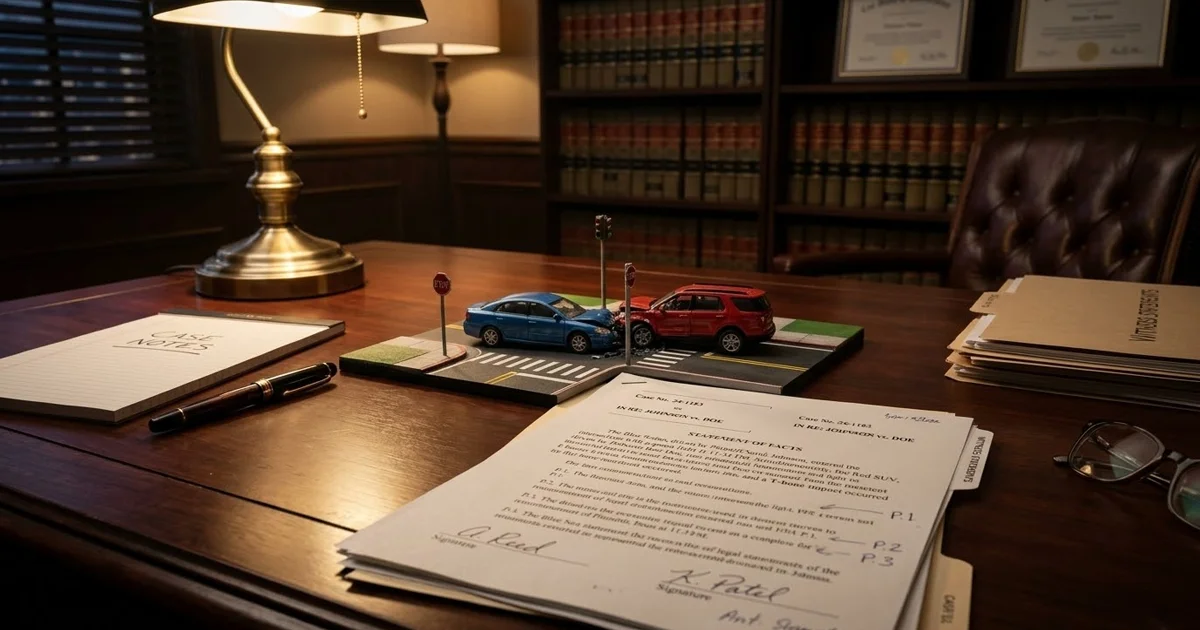
Because failure-to-yield accidents often involve drivers blaming one another, your lawyer focuses on collecting strong evidence to establish negligence. This approach strengthens your case and helps maximize compensation for your injuries and losses.
Stay Safe and Protect Your Rights
Yielding isn’t just a rule; it’s a critical responsibility that keeps Houston roads safe for drivers, pedestrians, and cyclists. Following Texas yield laws can prevent collisions and serious injuries. If you are hurt in a failure-to-yield accident, Lakhani & McGrath can help you understand your rights and pursue the compensation you deserve. Drive carefully, stay aware, and always yield when required. Your actions can make all the difference.