
Car accidents are stressful, but the situation can feel even more confusing when the crash wasn’t your fault. Even if you did everything right, you may still face medical bills, car repairs, and insurance disputes. Knowing what steps to take immediately after the accident can make all the difference in how smoothly your claim goes and how much compensation you receive.
According to the National Highway Traffic Safety Administration (NHTSA), nearly 6 million car accidents occur in the U.S. every year, and a large percentage involve drivers who were not at fault. Understanding your rights and responsibilities after such an event is essential to protect yourself financially and legally.
This guide walks you through everything you need to do after a car accident that wasn’t your fault, from documenting the scene to dealing with insurance, consulting a car accident lawyer, and getting the compensation you deserve.
Check for Injuries and Prioritize Safety
Your health and safety come before anything else. The shock of an accident can make it difficult to think clearly, but staying calm and focused will help you handle the situation effectively.
If anyone is injured, call 911 right away. Even minor injuries should be evaluated by a medical professional because symptoms like whiplash or internal bleeding can take time to appear. Move to a safe location if your car is in a dangerous position, but avoid leaving the scene until police arrive.
Turn on your hazard lights and wait for help. Do not attempt to chase or confront the other driver if they try to leave, instead, note their license plate number, vehicle color, and direction of travel to report to the police.
Call the Police and Get an Official Report
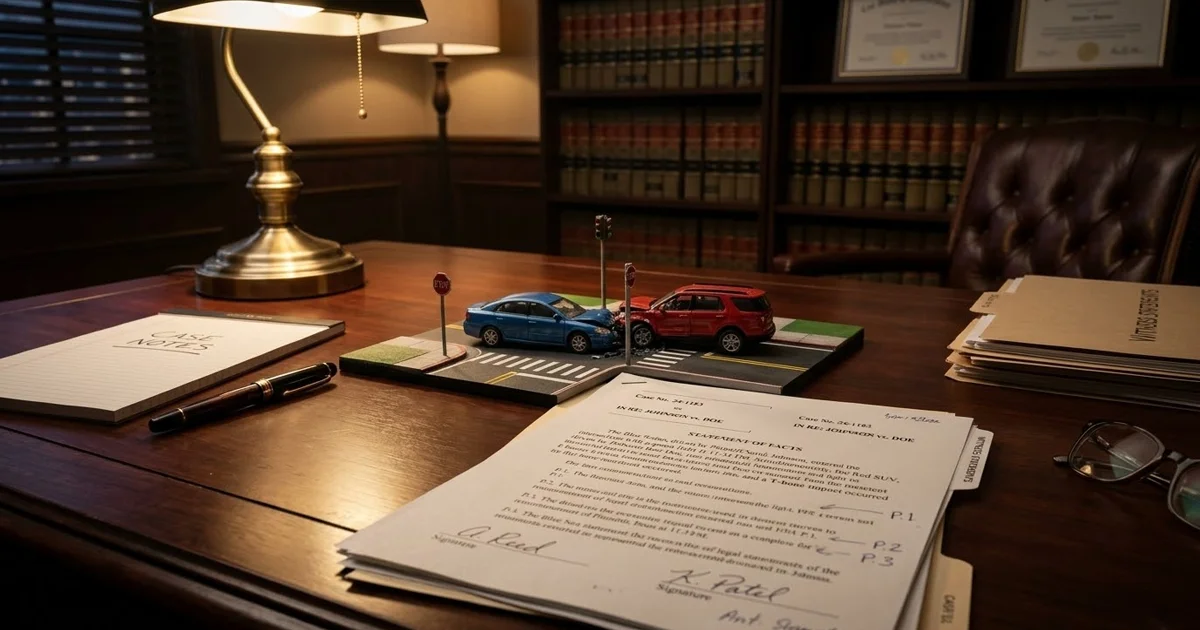
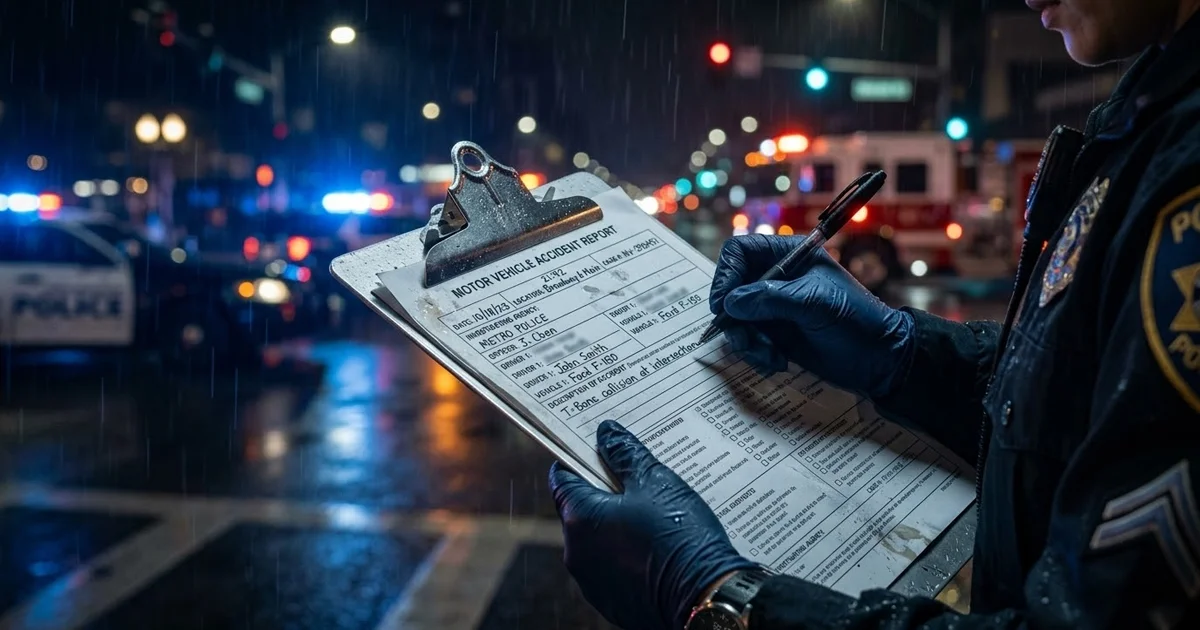
Even if the damage seems minor, it’s important to call law enforcement to the scene. A police officer will create an official accident report that documents details like time, location, weather, statements, and potential violations. This report is crucial evidence for proving fault.
When the officer arrives, explain what happened clearly and truthfully. Stick to the facts and avoid making emotional statements or speculating about the cause of the accident. Make sure you get the police report number and the officer’s name and badge number before leaving the scene.
Later, you can request a copy of the police report from the local law enforcement office or the Texas Department of Transportation (TxDOT) crash report portal if you are in Texas.
Gather Evidence at the Scene
Collecting evidence immediately after the accident is one of the most important steps in building a strong case. If you are physically able, document everything around you before the vehicles are moved.
Take clear photos of:
- Vehicle damage (close-ups and wide shots)
- License plates of all involved vehicles
- Road signs, skid marks, debris, or traffic lights
- Weather and lighting conditions
- Visible injuries you or passengers may have sustained
Also, write down details such as the date, time, location, direction of travel, and traffic flow. These details may fade from memory quickly, but they are valuable when dealing with insurance adjusters or legal claims.
If there are witnesses, ask for their names and contact information. Their statements can help confirm your version of events later.
Exchange Information With the Other Driver
Always exchange contact and insurance details with the other driver, even if they admit fault at the scene. You’ll need their:
- Full name and address
- Driver’s license number
- Vehicle registration and license plate number
- Insurance company name and policy number
- Phone number and email address
Stay polite and professional. Avoid arguing or discussing who is to blame. The insurance companies and law enforcement will determine fault based on evidence.
Get Medical Treatment as Soon as Possible
Even if you think you’re fine, getting medical attention right after the accident is crucial. Adrenaline can mask pain, and some injuries (like concussions or soft tissue damage) may not appear immediately.
A timely medical evaluation provides two important benefits:
- Protecting your health. Early diagnosis can prevent complications or long-term effects.
- Supporting your claim. Medical records serve as official proof that your injuries were caused by the accident, not by something else.
Keep copies of all medical bills, doctor’s notes, prescriptions, and treatment recommendations. These documents will be vital when you seek compensation from the at-fault driver’s insurance company.
Notify Your Insurance Company
Even though you weren’t at fault, you should still notify your own insurance company about the accident. Most policies require prompt reporting to avoid claim denials.
Provide your insurer with:
- The date, time, and location of the crash
- The other driver’s insurance details
- Photos and witness information
- The police report number
Your insurance company can guide you on the next steps, such as arranging vehicle repairs or covering medical costs under Personal Injury Protection (PIP) or MedPay, if included in your policy.
File a Claim With the At-Fault Driver’s Insurance
Once the police report confirms that the other driver was at fault, you can file a third-party claim with their insurance provider. This claim may cover:
- Vehicle repair or replacement
- Medical expenses
- Lost wages from time off work
- Pain and suffering
Be cautious when speaking with the at-fault driver’s insurance adjuster. Their goal is to minimize payouts, so do not provide a recorded statement or accept a quick settlement without reviewing the full extent of your damages.
If you’re unsure how to handle these communications, it’s wise to consult an attorney before signing any documents.
Understand Your Legal Rights
When an accident wasn’t your fault, you have the legal right to pursue compensation for all damages related to the crash. However, the process can be complicated, especially if the other driver’s insurance company disputes liability.
Key things to know:
- You can seek reimbursement for medical bills, car repairs, lost wages, and pain and suffering.
- In most states, including Texas, you must file a personal injury lawsuit within two years from the date of the accident.
- If the other driver was uninsured or underinsured, your own UM/UIM coverage can help pay for your losses.
- Insurance companies may try to shift partial blame onto you, reducing the amount you receive.
Understanding these laws ensures that you don’t lose out on the compensation you deserve.
When to Contact a Car Accident Attorney
Dealing with insurance companies and paperwork after an accident can be frustrating, especially when you are not at fault. Hiring a skilled car accident attorney can make the process easier and help you secure a fair settlement.
An attorney can:
- Investigate the accident and collect strong supporting evidence
- Communicate with insurance companies on your behalf
- Calculate the true value of your claim, including future costs
- Handle legal paperwork and deadlines
- Represent you in court if necessary
With professional guidance, you can focus on healing while your lawyer fights to protect your rights.
Key Takeaway Checklist
Here’s a quick recap of what to do after a car accident that wasn’t your fault:
- Check for injuries and move to safety
- Call the police and get an official report
- Collect photo and video evidence
- Exchange driver and insurance information
- Seek immediate medical care
- Report the accident to your insurance company
- File a claim with the at-fault driver’s insurer
- Keep detailed records of all expenses and treatments
- Consult a personal injury attorney before accepting a settlement
Protect Your Rights With Lakhani & McGrath, PLLC
If you were involved in a car accident that wasn’t your fault, the experienced attorneys at Lakhani & McGrath, PLLC are ready to help. We understand how insurance companies operate and how to build a strong case to secure the compensation you deserve.
Our legal team will thoroughly investigate your accident, handle all communication with insurers, and negotiate aggressively for the maximum recovery possible. We take pride in guiding clients through the complex legal process with care, transparency, and dedication.
At Lakhani & McGrath, PLLC, we will gladly help you and your family navigate every step of your personal injury case. Contact us today for a free consultation and let our team fight for your rights and peace of mind.