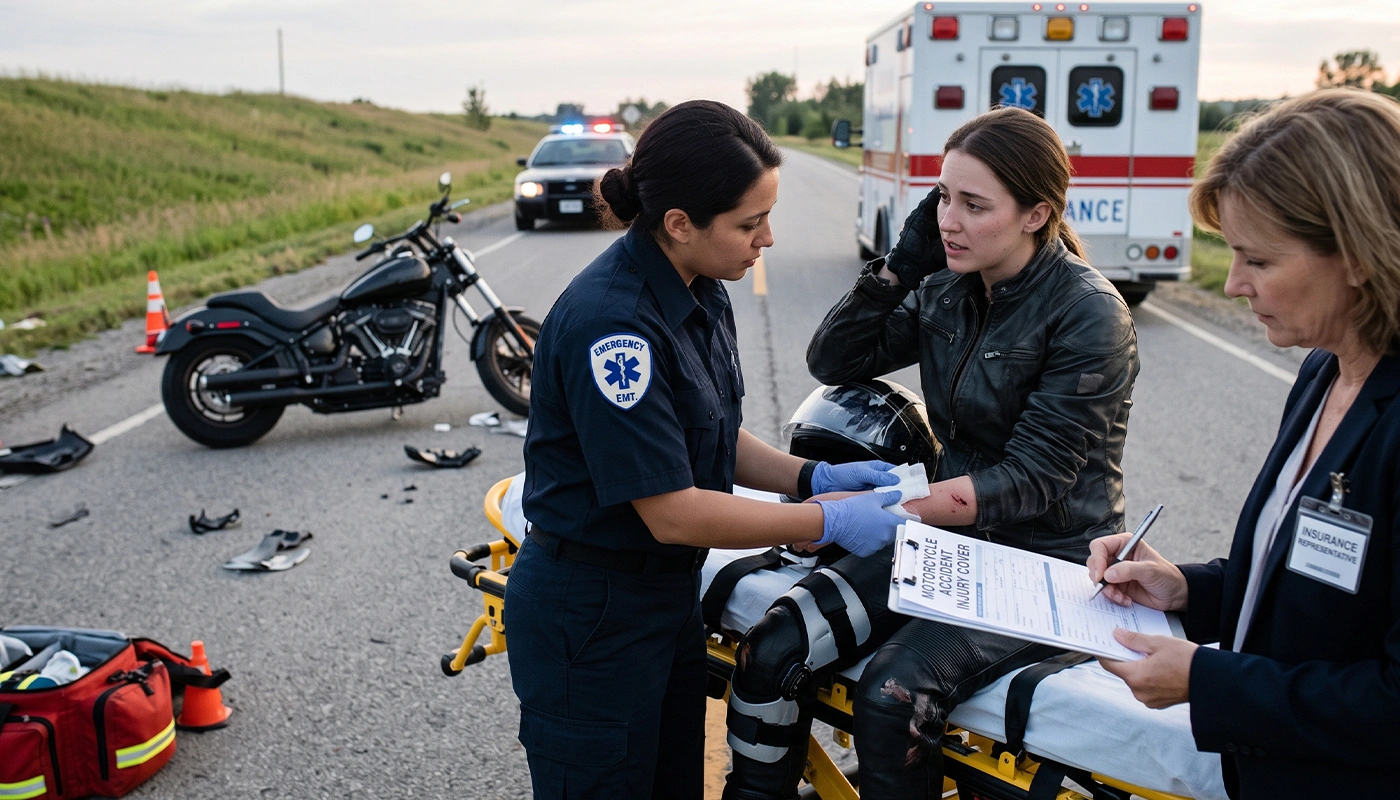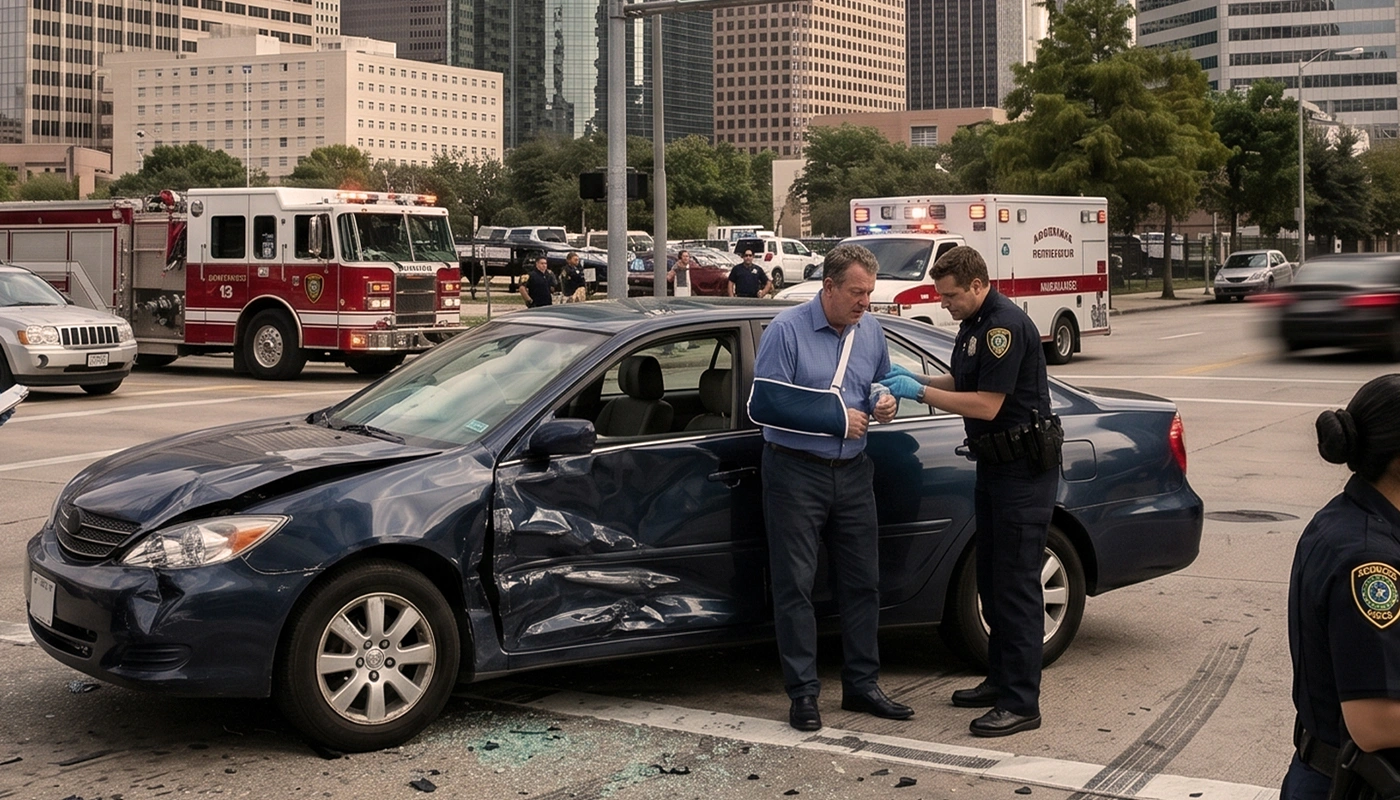

A hit-and-run accident can leave you dealing with vehicle damage, medical bills, and uncertainty about who will pay for your losses. If the driver who caused the crash cannot be identified, you may need to turn to your own insurance policy for coverage. A Hit-and-Run Accident Lawyer Houston can help you understand your legal options and navigate the insurance claims process.
One of the biggest concerns after filing a claim is whether your insurance premium will increase. A hit-and-run claim can affect your insurance costs, but an increase is not automatic in every situation. The outcome can depend on the type of coverage used, your insurer’s rating practices, your claims history, and the circumstances of the accident. For Texas drivers, understanding uninsured/underinsured motorist coverage, collision coverage, deductibles, and the claims process can help you understand your options after a hit-and-run crash.
Can a Hit-and-Run Claim Raise Your Insurance?
Yes, filing an auto insurance claim can potentially affect your premium. The Texas Department of Insurance states that auto insurance premiums can increase after claims, depending on the type of claim and how many claims you have filed.
However, that does not mean every hit-and-run claim will automatically result in a higher premium. Insurance companies use their own filed rating plans to determine premiums, and Texas insurers must file their auto insurance rates with the Texas Department of Insurance.
The specific coverage you use may also matter. A hit-and-run may be handled through uninsured/underinsured motorist coverage or collision coverage, depending on your policy and the type of losses involved.
Why Can a Hit-and-Run Claim Affect Insurance Rates?
Insurance companies consider claims history when determining premiums. A claim can become part of the information an insurer considers when evaluating future coverage and pricing. The Texas Department of Insurance explains that companies may raise auto premiums based on claims and accidents, although the exact effect varies.
Several factors may influence how a hit-and-run claim affects your insurance costs:
- The type of coverage used
- The amount paid on the claim
- Your previous claims history
- Your driving record
- Your insurer’s underwriting and rating rules
- Whether the claim involved injuries, vehicle damage, or both
- Whether the insurer determines that the claim is chargeable under its rating plan
Does a Hit-and-Run Claim Count as an At-Fault Accident?
A hit-and-run claim is not necessarily the same as an accident where your insurer determines that you caused the crash. In a hit-and-run, another driver may have caused the collision and left the scene before being identified. If you are dealing with an insurance claim after a crash, a car accident lawyer near me can help you understand the legal and insurance issues that may apply to your situation.
However, not being at fault does not automatically mean filing a claim will have no effect on your insurance costs. Texas Department of Insurance guidance says auto premiums can increase after claims, depending on the circumstances and the number of claims filed.
The distinction between fault and claim history is important. An insurer may evaluate both the circumstances of an accident and the fact that a claim was submitted when determining future rates.
What Insurance Covers a Hit-and-Run in Texas?
The coverage available after a hit-and-run depends on the policy you purchased and the type of loss you experienced.
Uninsured/Underinsured Motorist Coverage
Uninsured/underinsured motorist coverage can provide protection when the driver who caused the accident does not have insurance, does not have enough insurance, or cannot be identified after a hit-and-run.
The Texas Department of Insurance specifically states that uninsured/underinsured motorist coverage can pay when a driver is involved in a hit-and-run and the other driver cannot be found. Depending on the policy, this coverage may help with vehicle damage and certain injury-related losses. Texas insurers must offer uninsured motorist coverage, although a policyholder can reject the coverage in writing.
Collision Coverage
Collision coverage may also pay for repairs to your vehicle after a hit-and-run. The Texas Department of Insurance explains that collision coverage can be used to repair a vehicle after a hit-and-run when the policy includes that coverage.
Collision coverage generally comes with its own deductible. Your policy determines the amount you must pay before the insurer contributes toward covered repairs.
H3: Medical Payments or Personal Injury Protection
Depending on your policy, medical payments coverage or personal injury protection may help pay certain medical expenses after an accident.
These coverages are separate from property-damage coverage and may have different limits and requirements. Review your policy or speak with your insurance representative to determine which benefits apply.
Does Uninsured Motorist Coverage Pay for a Hit-and-Run?
In Texas, uninsured motorist coverage can apply to hit-and-run accidents when the responsible driver cannot be identified or located. The Texas Department of Insurance specifically identifies hit-and-run accidents as a situation in which UM/UIM coverage may provide protection.
For property damage, Texas law provides for uninsured/underinsured motorist property-damage coverage subject to applicable policy terms and limits. The Texas Department of Insurance also notes that UM/UIM property-damage coverage can be used after a hit-and-run. Your policy may include requirements that must be satisfied before coverage applies. This is one reason reporting the accident promptly and documenting what happened can be important.
Will Using Uninsured Motorist Coverage Raise Your Insurance?
Using uninsured motorist coverage does not automatically mean your premium will increase by a specific amount. The effect depends on your insurer’s policies, your claims history, and other rating factors.
Texas Department of Insurance guidance states that premiums can increase after auto claims, but the impact depends on the type and number of claims. If you are concerned about a potential rate increase, ask your insurer how the claim will be classified and whether it could affect your future premium. You can also review your policy to understand the coverage, deductible, and limits that apply.
What Should You Do After a Hit-and-Run Accident?
Taking steps immediately after a hit-and-run can help preserve evidence and protect your ability to pursue available insurance benefits.
1. Get to a Safe Location
If possible, move away from traffic and find a safe location. If anyone is seriously injured, call 911 and request emergency medical assistance.
2. Report the Hit-and-Run
Contact law enforcement and report the accident. Provide as much information as possible about the other vehicle and driver.
Texas Department of Insurance guidance states that you should call the police after being hit by a driver who leaves the scene because uninsured motorist coverage may not pay for a hit-and-run if the accident was not reported to police.
3. Gather Evidence
If it is safe to do so, document the accident scene. Useful evidence may include:
- Photos of vehicle damage
- Photos of the accident location
- The other vehicle’s make, model, color, or license plate
- Dashcam footage
- Nearby surveillance footage
- Names and contact information for witnesses
- The police report
- Medical records and bills
4. Notify Your Insurance Company
Report the accident to your insurer as soon as reasonably possible. Your policy may contain specific requirements for reporting accidents and making claims.
Ask which coverage applies and whether your policy includes uninsured/underinsured motorist and collision coverage.
5. Keep Records of Your Losses
Keep copies of repair estimates, medical bills, prescriptions, rental-car expenses, photographs, correspondence with insurers, and other accident-related records. Organized documentation can help establish the financial impact of the accident.
Can You File a Claim if the Hit-and-Run Driver Is Never Found?
You may still be able to file a claim even when the responsible driver is never identified. In Texas, uninsured motorist coverage can provide protection for qualifying hit-and-run accidents.
However, coverage depends on your policy and the facts of the accident. Reporting requirements, evidence, policy limits, deductibles, and other conditions may affect whether a claim is covered. If you suffered significant injuries or your insurer disputes your claim, consider obtaining legal advice before accepting a settlement or signing documents that could affect your rights.
Can Insurance Deny a Hit-and-Run Claim?
An insurance company may dispute or deny a claim if it determines that the policy requirements for coverage have not been met. The reasons can vary depending on the policy and circumstances.
Potential issues may include:
- The policy does not provide the coverage being requested
- The accident was not reported as required
- There is insufficient evidence supporting the claim
- The claimed losses are outside the policy’s coverage
- Policy limits have been reached
- Required documentation was not provided
A denial does not necessarily answer every legal question about your rights. If you believe your claim was improperly denied, delayed, or undervalued, an attorney can review the policy and the circumstances surrounding the accident.
What If You Were Injured in a Hit-and-Run?
A hit-and-run accident can create additional challenges when the responsible driver cannot be located. You may have medical expenses, lost income, vehicle damage, and other losses even though the at-fault driver is unavailable. A personal injury lawyer near me can review your situation and explain the potential sources of compensation available to you.
Depending on your insurance coverage, you may be able to pursue compensation through uninsured motorist coverage. Other sources of recovery may also exist depending on the facts of the accident. If you were seriously injured, avoid assuming that the insurance company’s first settlement offer represents the full value of your claim. Consider having your legal options reviewed before signing a settlement or release.
How Can a Lawyer Help With a Hit-and-Run Insurance Claim?
A lawyer can review the facts of the accident, examine the applicable insurance policy, and help identify potential sources of coverage.
Legal assistance may involve:
- Reviewing your insurance policy
- Evaluating available uninsured motorist coverage
- Gathering accident and medical evidence
- Communicating with insurance adjusters
- Reviewing settlement offers
- Identifying disputed coverage issues
- Negotiating with an insurer
- Pursuing legal action when appropriate
This can be particularly important when injuries are serious, liability or coverage is disputed, or the insurance company is offering less than you believe your losses warrant.
Get Help With Your Injury & Insurance Claim
A hit-and-run accident can leave you dealing with an insurance company while recovering from physical injuries and financial losses. After more than a decade defending insurance companies, Attorneys Nadia Lakhani and Stephen McGrath founded Lakhani & McGrath to help individuals navigate personal injury and insurance claims with insight into how insurers evaluate and handle these cases.
If you were injured in a hit-and-run or are facing an insurance dispute, schedule a free consultation with Lakhani & McGrath, PLLC to discuss your circumstances and legal options. The firm handles car accidents, truck accidents, workplace injuries, premises liability, and wrongful death in Houston. Call (713) 424-4529 to learn more about your options.