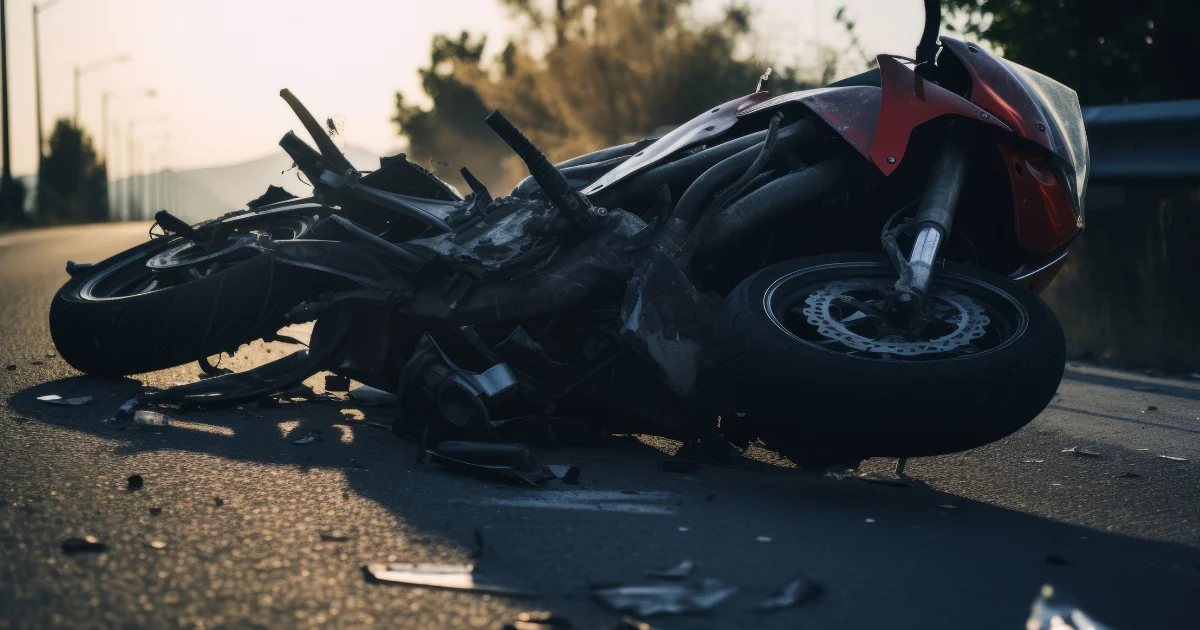
Self-driving rideshare vehicles are no longer a distant idea in Texas. Uber has partnered with autonomous vehicle companies to offer rides in Texas cities, and driverless trucks are already hauling freight on Texas highways. Some of these vehicles still carry a human safety operator, often called a backup driver. When one of them crashes, figuring out who pays can be complicated. Riders and drivers are not the only ones at risk. People on motorcycles are especially vulnerable, and anyone searching for a motorcycle accident lawyer near me after a crash with an autonomous vehicle should understand how these claims work.
In this article, we’ll walk through how Texas law treats autonomous vehicles, who may be responsible, and what injured people can do.
How Does Texas Law Treat Self-Driving Vehicles?
Texas has allowed automated motor vehicles on public roads since 2017. Under Texas Transportation Code Chapter 545, Subchapter J, the owner of an automated driving system is generally treated as the operator of the vehicle when the system is engaged, even if no human is physically driving. Lawmakers have since added more oversight for companies operating driverless vehicles. In practice, this means the company behind the technology can be responsible for traffic violations and crashes, while traditional negligence rules still apply to everyone else on the road.
Who Can Be Responsible in a Crash With a Backup Driver?
Several parties may share fault in an Uber crash involving a backup driver, depending on what caused the collision and who controlled the vehicle.
1. The Backup Driver
A backup driver who is distracted, drowsy, or slow to take control may share responsibility for the crash. If the driver works for the AV company, that company may also be liable for their negligence.
2. The Autonomous Vehicle Company
The company that owns and operates the driving system may be liable for software decisions and sensor failures. It may also be responsible for how it trains and monitors its backup drivers.
3. Uber
Uber’s responsibility depends on its agreement with the technology partner and its role in the ride. Uber’s insurance coverage or company policies may also apply for injured riders.
4. Vehicle and Parts Manufacturers
Faulty brakes, sensors, or software components can support a product liability claim. If a defect caused the crash, the manufacturer may be responsible.
5. Other Drivers or Road Users
Human drivers who cut off, rear-end, or sideswipe an autonomous vehicle can still be at fault. Texas law allows fault to be divided among everyone involved.
Real-World Crash Scenarios
- The autonomous vehicle fails to detect a motorcycle. Sensors may struggle with smaller vehicles, especially in blind spots or poor lighting.
- The backup driver is looking at a phone. The driver does not take over before a collision.
- Another driver runs a red light. The driver hits the autonomous vehicle while it is carrying passengers.
- A software update causes an unexpected maneuver. The vehicle may brake suddenly or change lanes without warning.
In most of these scenarios, more than one party may share fault, which is why careful investigation matters.
Why Motorcyclists Face Higher Risks
Autonomous systems are trained to recognize cars, trucks, and pedestrians, but motorcycles are smaller and can be harder to track, especially when lane positioning changes quickly. When a vehicle merges into a rider’s lane without seeing them, the results can be devastating. A Houston Blind Spot Motorcycle Accident Lawyer understands how to prove that a vehicle, whether human-driven or automated, failed to check its blind spot.
What About Driverless Trucks In Texas?
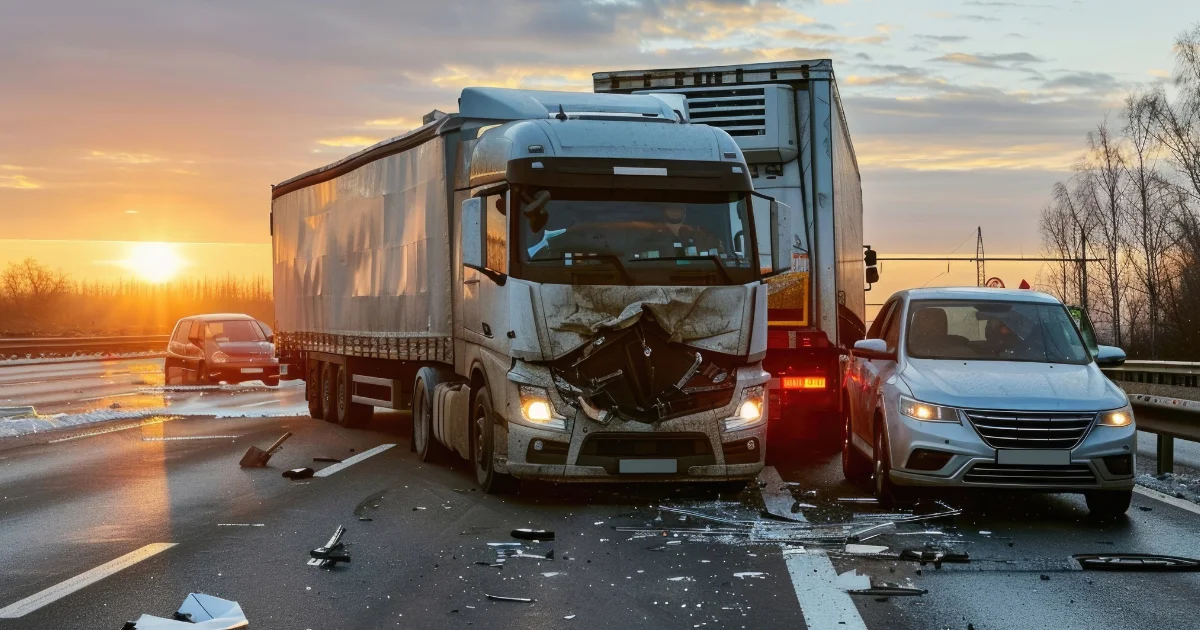
Texas has become a testing ground for self-driving freight trucks, including routes connecting Houston and Dallas. These trucks may operate with or without a human onboard. If a self-driving 18-wheeler causes a crash, the trucking company, technology provider, and vehicle manufacturer may all be involved. Because commercial trucks cause catastrophic injuries, working with an experienced truck accident attorney Houston is critical.
Evidence That Can Make or Break Your Claim
Strong evidence is key to proving who caused an Uber crash involving a backup driver. In these cases, much of it is stored digitally and can disappear quickly.
- Onboard camera footage. Video from inside and outside the vehicle.
- Sensor and software logs. Data showing what the system detected.
- Takeover records. Logs showing when the backup driver assumed control.
- Police reports and witness statements. Accounts that help establish how the crash happened.
- Medical records. Documents linking your injuries to the crash.
Technology companies control much of this data, so an attorney should send preservation letters as soon as possible.
What Should You Do After A Crash With A Self-Driving Vehicle?
Call 911 and get medical care first. Then photograph the vehicle, including company logos, roof sensors, and license plates. Note whether a backup driver was behind the wheel and what they were doing. If you were a passenger, save your trip receipt and screenshots from the app. Avoid giving recorded statements to any insurer until you understand which companies are involved and what coverage applies.
Get Help After An Autonomous Vehicle Crash In Houston
Self-driving technology is changing how crashes happen, but your right to compensation remains the same. Lakhani & McGrath helps injured riders, passengers, and drivers in Houston investigate complex crashes and hold every responsible party accountable. Contact us today for a free consultation.
Frequently Asked Questions
Does Uber Cover Passengers In Self-Driving Cars?
Coverage depends on Uber’s arrangement with its technology partner. An attorney can help identify all applicable policies.
Can I Sue An Autonomous Vehicle Company In Texas?
Yes. If the company’s system or operator caused your crash, you may have a claim.
How Long Do I Have To File In Texas?
Most personal injury claims must be filed within two years of the crash.