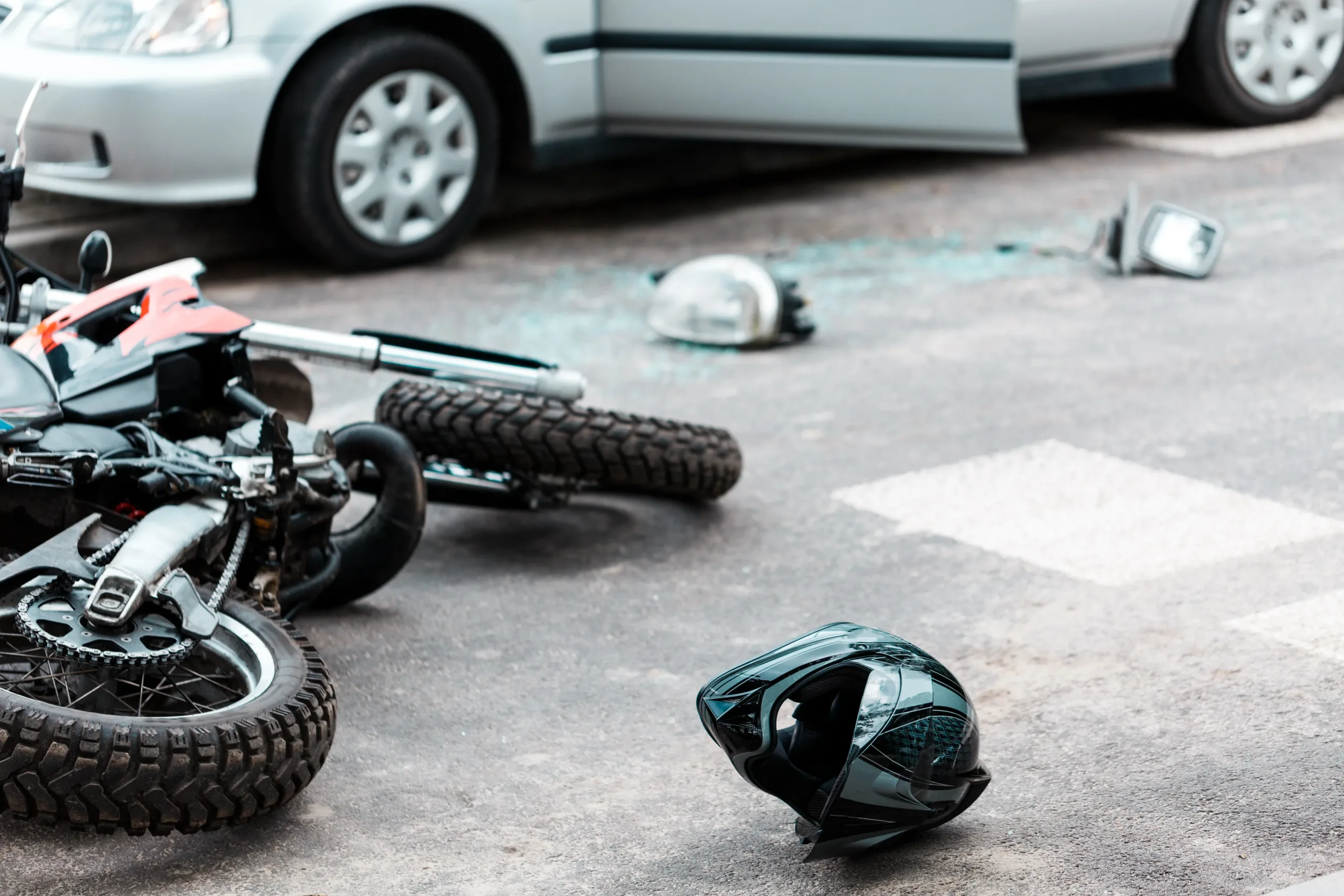
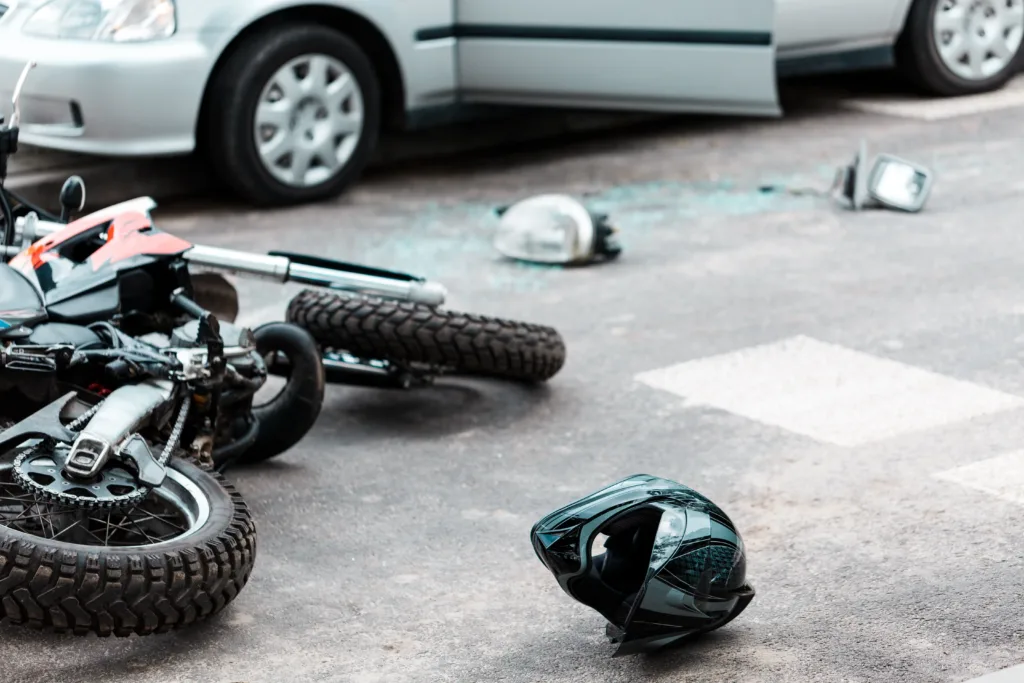
A motorcycle accident can result in more than medical bills and property damage. In some circumstances, the conduct that caused the crash may also lead to criminal liability under Texas law. A motorcycle accident lawyer Houston can help you understand the legal options that may apply after a serious motorcycle crash. Criminal charges generally depend on the driver’s conduct, state of mind, injuries involved, and whether the driver violated a specific criminal statute.
Not every motorcycle accident results in criminal charges. Ordinary negligence may support a civil personal injury claim, while more serious conduct, such as intoxicated driving, reckless behavior, criminal negligence, or leaving the scene of a qualifying crash, may result in criminal prosecution.
Criminal Liability After a Motorcycle Accident
Criminal liability means a person may face prosecution by the government for conduct that violates a criminal law. A motorcycle crash by itself does not establish criminal liability.
Texas law recognizes different levels of culpable conduct. For example, recklessness involves consciously disregarding a substantial and unjustifiable risk, while criminal negligence involves failing to perceive such a risk when the failure represents a gross deviation from the ordinary standard of care. The circumstances surrounding the collision are important when determining whether the conduct could result in criminal charges.
Reckless Driving and Motorcycle Crashes
Reckless conduct can create criminal exposure when a driver’s actions go beyond ordinary carelessness. Excessive speeding, dangerous maneuvers, racing, or deliberately disregarding substantial risks may become relevant depending on the facts.
Texas law distinguishes ordinary negligence from higher levels of culpability. Evidence showing that a driver consciously disregarded a substantial and unjustifiable risk may be relevant to establishing recklessness. A police investigation, witness statements, video footage, vehicle data, and accident reconstruction evidence may all help establish what happened before the crash.
Intoxication-Related Motorcycle Accidents
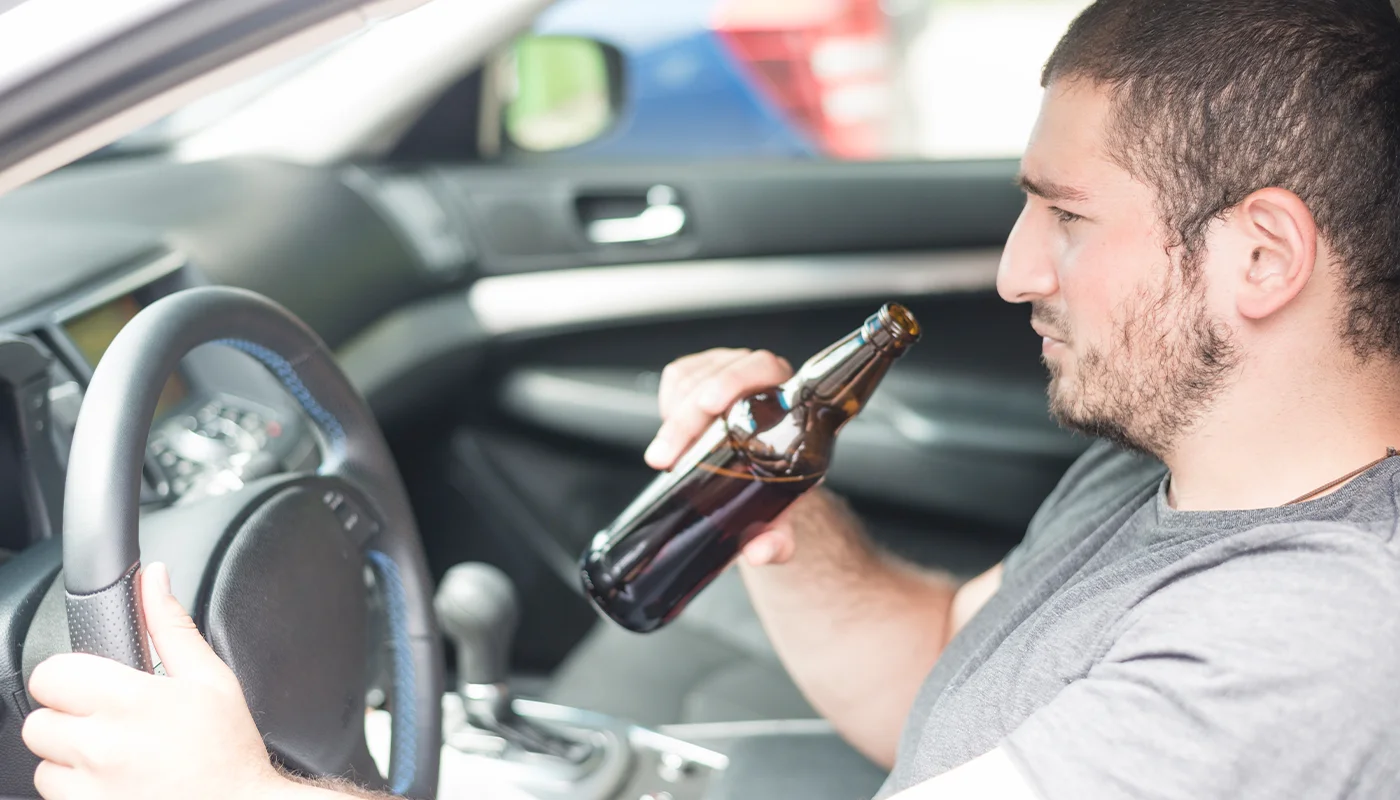
Driving while intoxicated can create significant criminal consequences when it causes serious injuries or death. Texas Penal Code Chapter 49 includes offenses involving intoxication assault and intoxication manslaughter.
Intoxication assault can apply when a person operates a vehicle while intoxicated and, by reason of that intoxication, causes serious bodily injury to another person. Intoxication manslaughter applies when intoxication contributes to another person’s death.
These criminal proceedings are separate from any civil claim the injured motorcyclist or surviving family members may pursue.
Criminally Negligent Conduct
Criminal negligence is different from ordinary negligence. Texas law defines criminal negligence in terms of failing to perceive a substantial and unjustifiable risk when that failure constitutes a gross deviation from the standard of care an ordinary person would exercise under the circumstances.
In a motorcycle accident involving a death, prosecutors may consider whether the driver’s conduct meets the legal requirements for criminally negligent homicide. Texas Penal Code provisions address criminally negligent homicide as a criminal offense involving the death of another person. Whether a particular accident meets this standard depends on the evidence and circumstances surrounding the collision.
Leaving the Scene of a Motorcycle Accident
Leaving the scene can create separate criminal consequences. Texas Transportation Code Section 550.021 establishes duties for a driver involved in certain collisions resulting in injury or death. The statute requires a driver involved in a qualifying crash to stop, remain at the scene, and provide required information and assistance. If you need help understanding your legal options after a motorcycle crash, a motorcycle accident lawyer near me can help explain the potential civil and insurance issues involved.
The classification of the offense can depend on the consequences of the collision, including whether the crash resulted in death or serious bodily injury. A driver who leaves without fulfilling the applicable statutory duties may therefore face criminal charges in addition to potential civil liability.
Evidence Used to Establish Criminal Conduct
Evidence can play an important role in determining whether a motorcycle crash involved potentially criminal conduct. Investigators may examine:
- Police reports and crash-scene documentation
- Statements from drivers, passengers, and witnesses
- Traffic-camera and surveillance footage
- Dashcam or helmet-camera recordings
- Vehicle and motorcycle damage
- Accident reconstruction evidence
- Toxicology or blood-alcohol evidence
- Cellphone or electronic records when legally obtained
- Skid marks, debris patterns, and other physical evidence
Criminal Liability and Civil Liability
Criminal and civil cases serve different purposes. A criminal case is brought by the government and may result in penalties such as fines, probation, or incarceration. A civil personal injury claim is generally brought by an injured person seeking compensation for losses caused by another party.
A criminal prosecution is not required for an injured motorcyclist to pursue a civil claim. Likewise, the absence of criminal charges does not necessarily mean that a person cannot have a valid personal injury case.
Civil claims may involve damages such as medical expenses, lost income, property damage, pain and suffering, and other losses depending on the circumstances and applicable Texas law.
Motorcycle Accident Injuries and Compensation
Motorcycle crashes can cause severe injuries because riders have less physical protection than occupants of passenger vehicles. Common injuries may include:
- Traumatic brain injuries
- Spinal cord injuries
- Broken bones
- Road rash and other skin injuries
- Internal injuries
- Neck and back injuries
- Permanent disabilities
When another person’s conduct caused the accident, an injured motorcyclist may have grounds for a personal injury claim. A motor vehicle accident attorney Houston can help review the circumstances of the crash and explain the legal options that may be available. The available compensation depends on the facts of the case, applicable insurance coverage, and Texas law.
Steps to Take After a Houston Motorcycle Accident
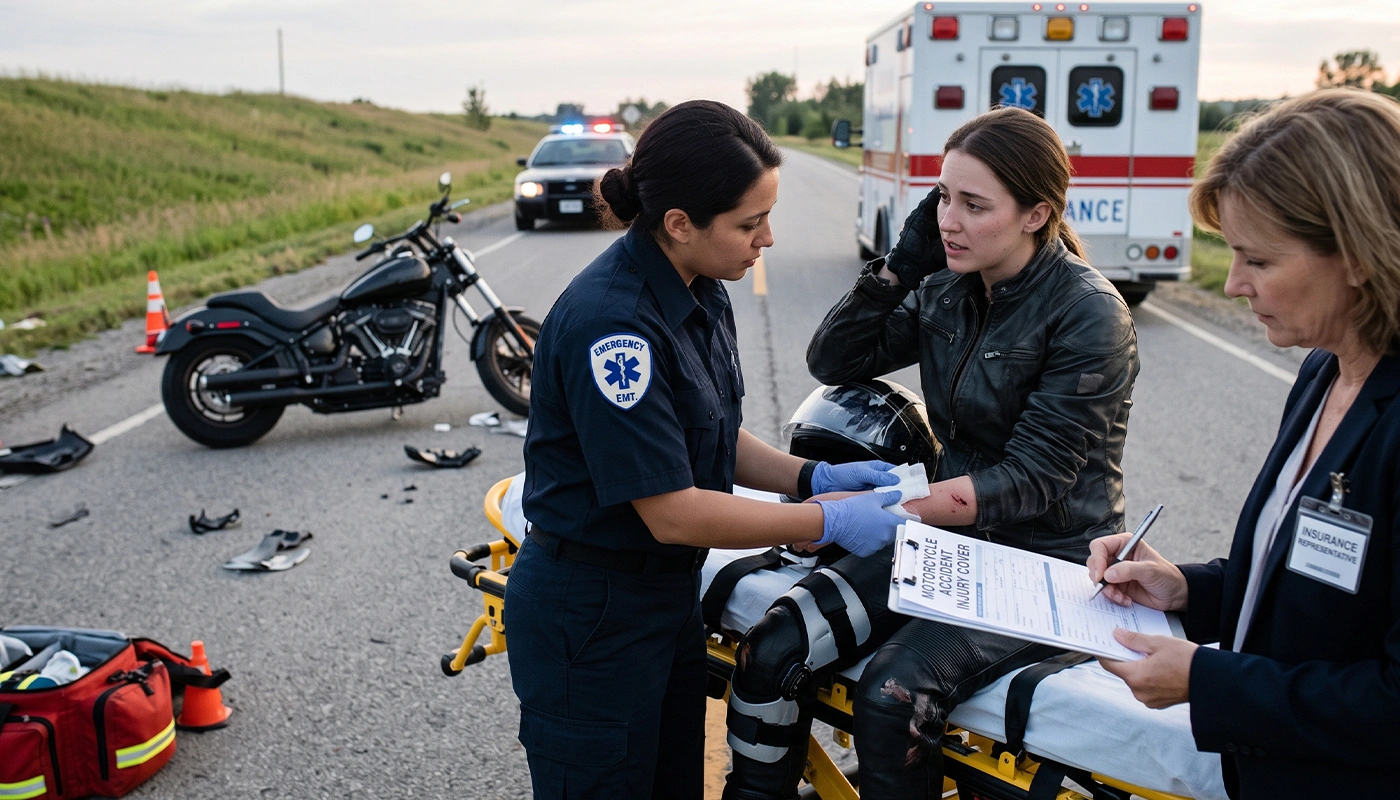
After a motorcycle crash, taking practical steps can help preserve evidence and protect your interests.
- Seek medical attention: Some serious injuries may not be immediately apparent after a collision.
- Report the accident: Contact law enforcement when appropriate and ensure the crash is properly documented.
- Preserve evidence: Keep photographs, medical records, repair documents, insurance information, and other records related to the accident.
- Document your injuries: Follow medical recommendations and maintain records of treatment and related expenses.
- Avoid discussing fault: Statements made immediately after an accident can sometimes be misunderstood or taken out of context.
- Speak with an attorney: A motorcycle accident lawyer can review the circumstances and explain potential civil claims and insurance issues.
Fatal Motorcycle Accidents and Criminal Charges
A motorcycle accident resulting in death can lead to particularly serious legal consequences when the evidence supports a criminal offense. Depending on the circumstances, prosecutors may investigate offenses involving intoxication, recklessness, criminal negligence, or other unlawful conduct.
Texas Penal Code provisions address offenses including manslaughter, criminally negligent homicide, and intoxication manslaughter. The specific offense depends on the conduct and mental state established by the evidence. Families who lose a loved one may also have separate civil rights, including potential wrongful death claims, depending on the circumstances.
Criminal Charges and Personal Injury Claims
A criminal investigation and a personal injury claim can proceed separately. Law enforcement and prosecutors determine whether criminal charges should be pursued, while an injured person or surviving family members may pursue available civil remedies.
Evidence gathered during an investigation may sometimes be relevant to a civil claim, although the legal standards and procedures differ between criminal and civil proceedings. An attorney can review available evidence, insurance coverage, medical documentation, and other circumstances to determine which legal options may be available.
Legal Support for Houston Motorcycle Accident Victims
If you were injured in a Houston motorcycle accident, understanding the difference between criminal liability and civil liability can help you identify the legal issues that may affect your case. The circumstances of the crash, the driver’s conduct, the evidence available, and the severity of the injuries can all influence the claims that may be pursued.
At Lakhani & McGrath, our attorneys bring experience from more than a decade of defending insurance companies and understanding how insurers evaluate accident claims. If you were injured in a motorcycle accident, you can schedule a free case evaluation to discuss your circumstances and potential legal options. Call (713) 424-4529 or contact the firm online.