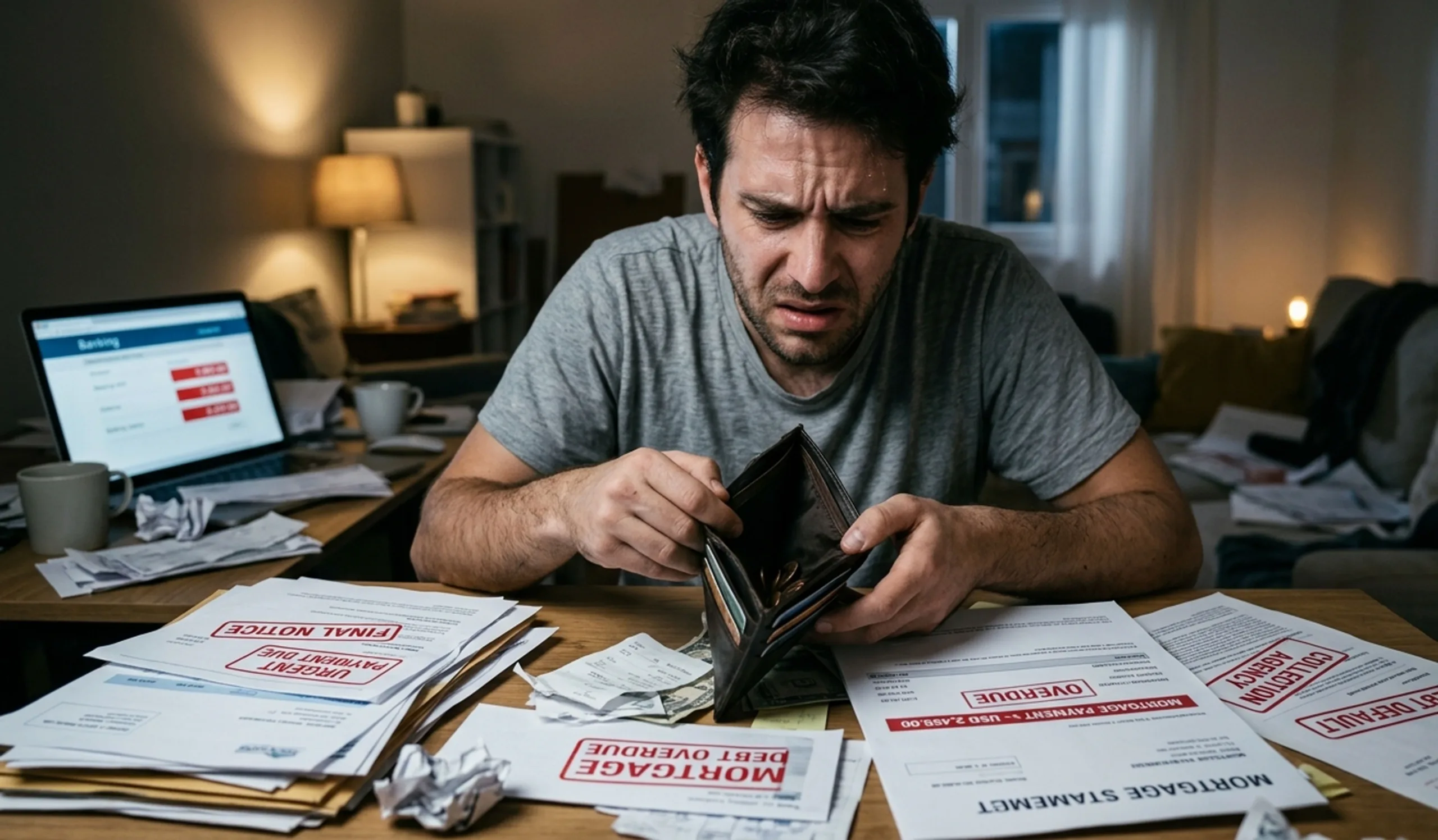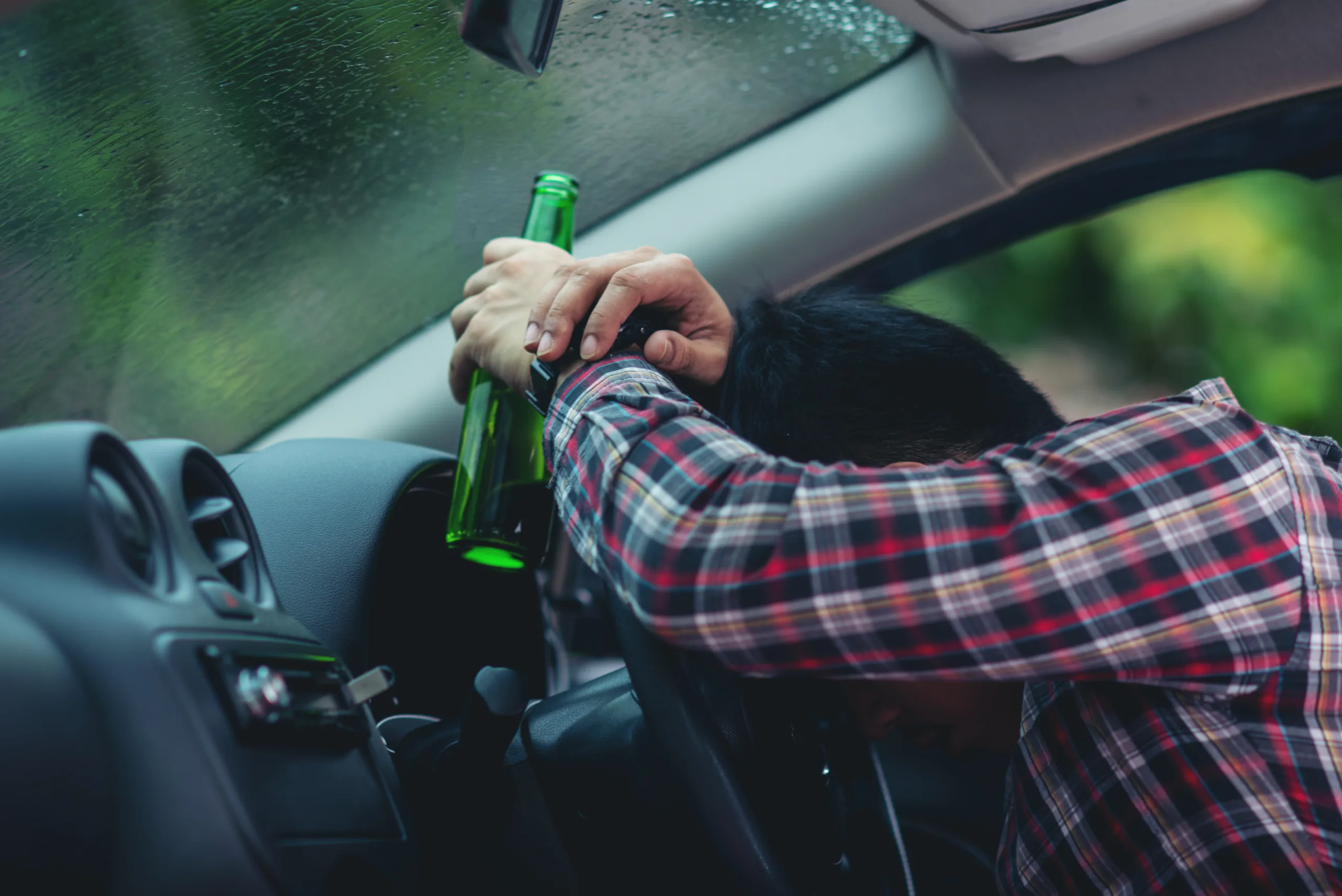

Not every injury from a crash shows up on an X-ray. Many people walk away from a collision with healed bones but lasting fear, nightmares, and anxiety every time they get behind the wheel. Post-traumatic stress disorder, or PTSD, is a real and diagnosable condition, and it can affect your work, relationships, and quality of life. So can you sue for PTSD after a car accident? In Texas, the answer is often yes. Riders are especially vulnerable to trauma after a crash, and a motorcycle accident attorney Houston riders trust can help document both physical and emotional injuries.
In this guide, we’ll explain how PTSD claims work, what evidence matters, and what compensation may be available.
What Is PTSD After A Car Accident?
PTSD is a mental health condition that can develop after a person experiences or witnesses a frightening or life-threatening event. Motor vehicle crashes are one of the most common causes of PTSD in the United States. Symptoms may start right away or appear weeks or months later.
Common Symptoms
- Flashbacks: intrusive memories or vivid replays of the crash.
- Nightmares: frequent bad dreams and trouble sleeping.
- Avoidance: staying away from driving, riding, or the crash location.
- Severe anxiety: intense worry in traffic or as a passenger.
- Irritability: anger, short temper, or difficulty concentrating.
- Emotional numbness: feeling detached from family and friends.
If symptoms last longer than a month and interfere with daily life, it is important to see a doctor or a licensed mental health professional.
Can You Recover Damages for PTSD in Texas?
Yes. Texas law allows injured people to recover compensation for mental anguish when another party’s negligence caused the crash. PTSD is often part of a larger personal injury claim that includes physical injuries. In some situations, such as witnessing the serious injury or death of a close family member, a bystander may also have a claim for emotional harm.
What Compensation May Be Available?
- Therapy and counseling costs: payment for sessions with a licensed therapist or counselor.
- Psychiatric care: treatment from a psychiatrist, including prescription medications.
- Lost wages: income you lose if PTSD keeps you from working.
- Loss of earning capacity: reduced future earnings if you cannot return to your previous job.
- Mental anguish: emotional suffering and a reduced quality of life.
How Do You Prove PTSD in a Car Accident Claim?
Insurance companies often push back on emotional injury claims because the harm cannot be seen. Strong, well-documented evidence can make the difference in your case.
- A Formal Diagnosis: A diagnosis from a psychologist, psychiatrist, or other qualified provider is one of the most important pieces of evidence. It confirms your symptoms are medically recognized and linked to the crash.
- Treatment Records: Regular therapy notes, medication records, and treatment plans show how PTSD affects your life. They also prove you followed through with care, which strengthens your claim.
- Personal Journal: Writing down symptoms, triggers, and missed activities can help show the day-to-day impact. Entries made soon after each episode are more reliable than memories recorded later.
- Statements from Family and Coworkers: People close to you can describe changes in your mood, behavior, and ability to function. Their observations add an outside view that supports what you report to doctors.
Also Read: How Do Car Accident Settlements Work in Texas
Why Serious Crashes Often Lead To PTSD
The more violent the crash, the more likely a person is to develop lasting trauma. Collisions with 18-wheelers are especially frightening because of the size difference between the vehicles. Drivers who survive underride or jackknife crashes often struggle to drive near trucks again. A Houston truck accident attorney can work with medical experts to show the full impact of these crashes.
Motorcyclists and Trauma
Riders have almost no protection in a collision, and many are thrown from their bikes. Being hit from behind at a red light or in stopped traffic can leave a rider afraid to stop near cars again. A Houston Rear-End Motorcycle Accident Lawyer can help riders pursue compensation for both physical injuries and the emotional fallout.
Mistakes That Can Hurt Your PTSD Claim
- Waiting too long to get help: gaps in treatment can be used against you.
- Downplaying symptoms: telling doctors or insurance adjusters you are fine when you are not.
- Posting on social media: photos or comments can be taken out of context.
- Stopping treatment early: quitting without your provider’s guidance can weaken your claim.
- Giving recorded statements: doing so before speaking with an attorney can put your claim at risk.
How Long Do You Have to File?
In Texas, most personal injury claims must be filed within two years of the crash. This deadline is set by the statute of limitations, Texas Civil Practice and Remedies Code §16.003. Because PTSD symptoms can develop later, it is important to speak with an attorney early so evidence is preserved and deadlines are not missed.
Get Help After a Traumatic Crash in Houston
Emotional injuries are just as real as broken bones. If you are struggling with anxiety, fear, or PTSD after a crash caused by someone else, Lakhani & McGrath can help you understand your rights and pursue the compensation you need to heal. We review your medical records and treatment history to show how the crash has affected your life. Contact us today for a free consultation.
Frequently Asked Questions
Can I Sue For PTSD If I Was Not Physically Injured?
It may be possible, but claims are stronger when emotional injuries are tied to physical harm or a recognized bystander situation.
How Much Is A PTSD Claim Worth?
Value depends on the severity of symptoms, treatment costs, impact on work, and the strength of the evidence.
Will I Need to See a Therapist?
Professional treatment is important for your recovery and helps document your claim.