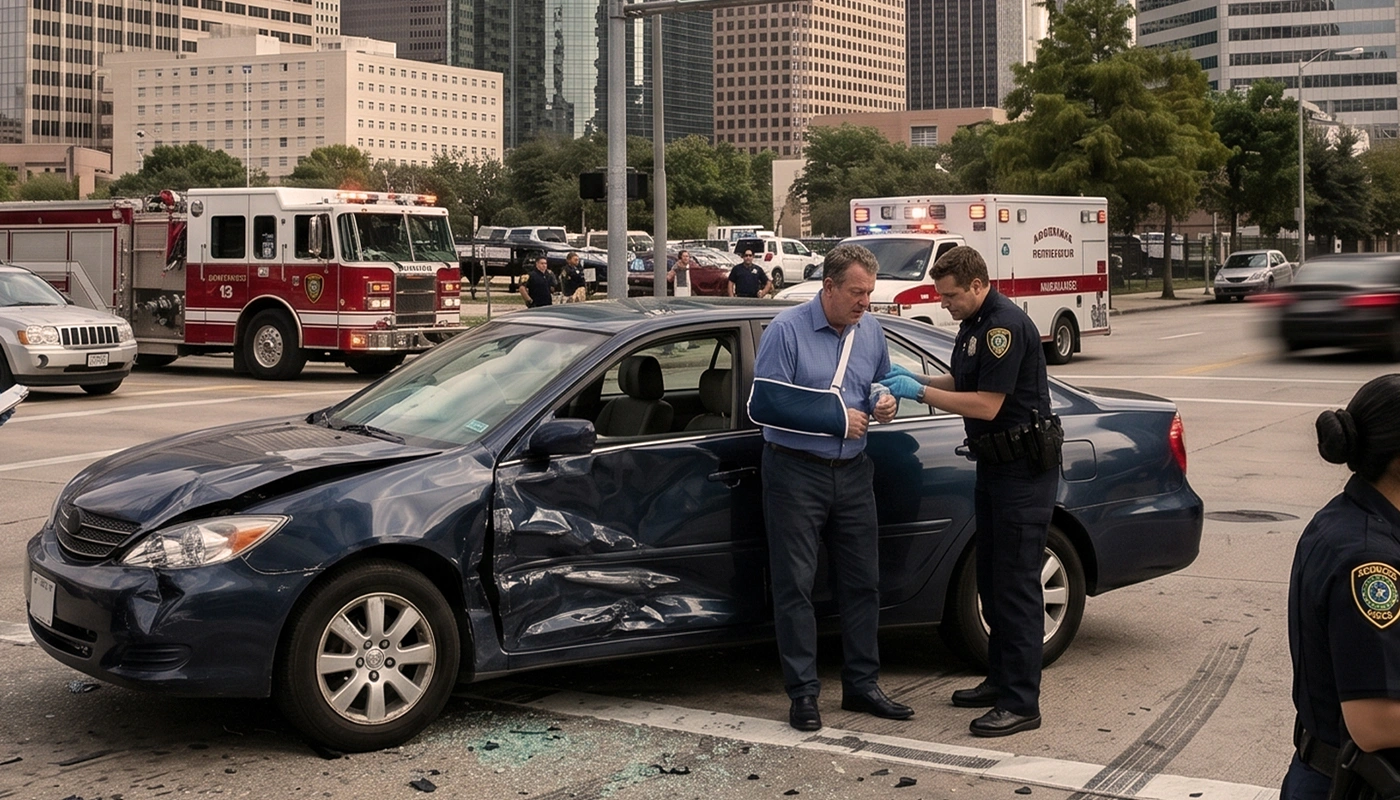
To inspect damage after a rear-end collision, carefully check your vehicle for visible and hidden damage and look for any signs of injury. Document everything with photos and notes before moving or repairing your car. Even low-speed crashes can cause serious hidden issues, so a proper inspection is important.
A rear-end collision may look minor, but it can still cause hidden vehicle damage and delayed injuries. Knowing what to look for helps protect your health and supports your insurance claim. Consulting a best personal injury lawyer can also help you understand your rights and next steps if needed.
What Is a Rear-End Collision?
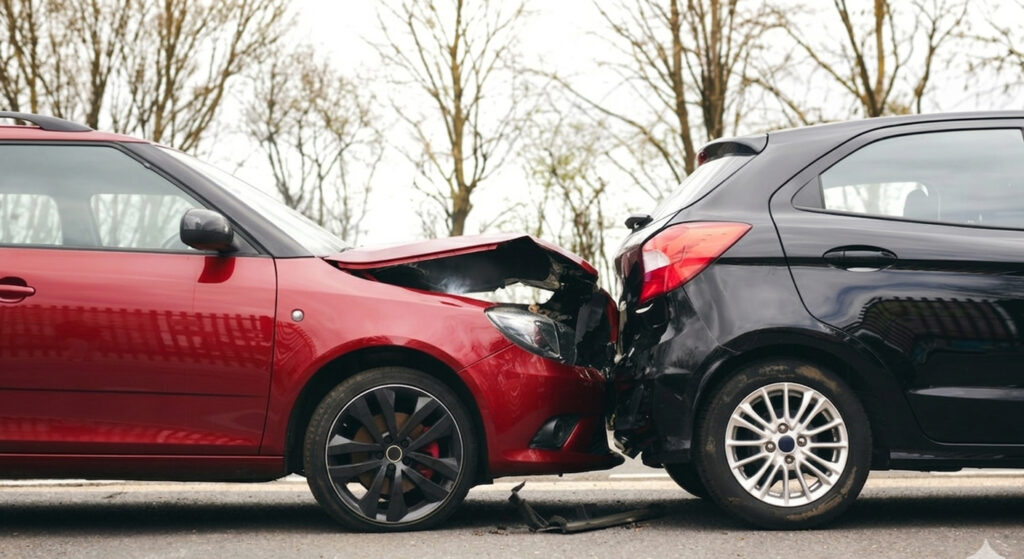
A rear-end collision happens when one vehicle strikes the back of another vehicle. These accidents are common in traffic congestion, at stoplights, and in situations where a driver fails to stop in time. While some crashes appear minor, they can still cause significant vehicle damage and physical injuries.
Even at low speeds, a rear-end collision can damage your vehicle’s structure and safety systems. Injuries like whiplash or back strain may also develop hours or days after the accident. Our lawyers often advise victims not to ignore even “small” crashes because the impact can be more serious than it looks.
What Causes a Rear-End Collision?
Understanding the cause of a rear-end collision helps determine fault and supports insurance or legal claims. These accidents are often preventable and usually happen due to driver negligence or poor road awareness. Identifying the cause is an important step in building a strong claim.
Distracted Driving
One of the most common causes is distracted driving, such as using a phone, GPS, or other in-car systems. When a driver is not paying attention, they may fail to react to sudden traffic changes. This often leads to avoidable rear-end crashes.
Tailgating
Following another vehicle too closely reduces the time available to react. If the front car suddenly stops, a collision becomes very difficult to avoid. Tailgating is one of the leading causes of rear-end accidents.
Sudden Traffic Stops
Unexpected braking in heavy or slow-moving traffic can easily cause chain-reaction crashes. Drivers who are not maintaining safe distance are often unable to stop in time. This is especially common on highways and busy intersections.
Weather Conditions
Rain, fog, or slippery roads can reduce visibility and increase stopping distance. Drivers who do not adjust their speed in bad weather are more likely to crash. Careful driving is essential in such conditions.
Types of Rear-End Damage
After a rear-end collision, damage is not always limited to what you can see on the surface. Our law firm regularly handles cases where hidden damage becomes a major issue in insurance disputes.
- Bumper and Exterior Damage: The most visible damage usually appears on the rear bumper. This may include dents, cracks, scratches, or misalignment.
- Frame Damage: Even a moderate impact can bend or shift the vehicle’s frame. This type of damage can affect safety and may require extensive repairs.
- Trunk and Alignment Issues: If your trunk does not open or close properly after the crash, it may indicate structural damage or alignment problems.
- Mechanical and Electrical Damage: Sensors, brake lights, backup cameras, and internal systems can be affected even if the exterior damage seems minor.
What To Do if You Have Rear-End Collision Damage
After a crash, the steps you take can significantly affect your insurance claim and any legal case. Our attorneys often emphasize the importance of acting quickly and carefully. Insurance claims and negotiations are guided by Texas liability principles, where fault and damages must be proven with evidence under state negligence law.
- Check for Immediate Visible Damage: Start by inspecting your vehicle for dents, broken lights, or bumper damage. Even small signs should not be ignored, as they may indicate deeper issues.
- Take Photos and Document Everything: Photograph your vehicle from multiple angles, including close-ups of damage and wide shots of the accident scene. Documentation is essential for proving the extent of damage.
- Get a Professional Vehicle Inspection: A mechanic can identify hidden structural or mechanical issues that are not visible to the eye. This step is especially important if the vehicle feels different when driving.
- Seek Medical Attention: Even if you feel fine, injuries like whiplash, neck strain, or back pain may develop later. Medical records also support injury claims if legal action becomes necessary.
Rear-End Collision Settlement Examples
Rear-end collision settlements vary based on the severity of damage and injuries. Insurance companies evaluate vehicle repairs and medical expenses when determining compensation. In complex cases involving commercial vehicles, guidance from an 18-wheeler accident lawyer may be needed due to multiple parties and higher claim value.
- Minor Damage Cases: If the accident only causes bumper damage and no injuries, settlements typically cover repair costs and minor related expenses.
- Moderate Injury Cases: When injuries such as whiplash occur, settlements may include medical treatment, lost wages, and compensation for pain and suffering.
- Severe Injury Cases: More serious accidents involving long-term injuries or disability can result in significantly higher settlements due to ongoing medical needs and financial losses.
Rear-End Collision Lawsuit
In some cases, insurance companies may deny responsibility or offer unfair settlements. When this happens, a rear-end collision lawsuit may be necessary to recover full compensation.
Proving Fault
In most rear-end accidents, the driver who hits the back of another vehicle is considered at fault. However, evidence such as police reports and witness statements still plays a key role. Under Texas negligence law, including Texas Civil Practice & Remedies Code § 33.001, compensation may be reduced if a victim is partially at fault under comparative negligence rules.
Building Evidence
Our lawyers gather photos, vehicle inspections, accident reports, and medical records to build a strong case for compensation.
Legal Process
A lawsuit may involve negotiation, discovery, and potentially a trial if a fair settlement cannot be reached. Most cases are resolved before reaching court.
What To Do After Rear-End Collision Damage
After a rear-end collision, your actions should focus on protecting your health and your legal rights. Acting quickly can make a major difference in your case outcome.
- Prioritize Safety First: Move to a safe location and check for injuries before assessing vehicle damage.
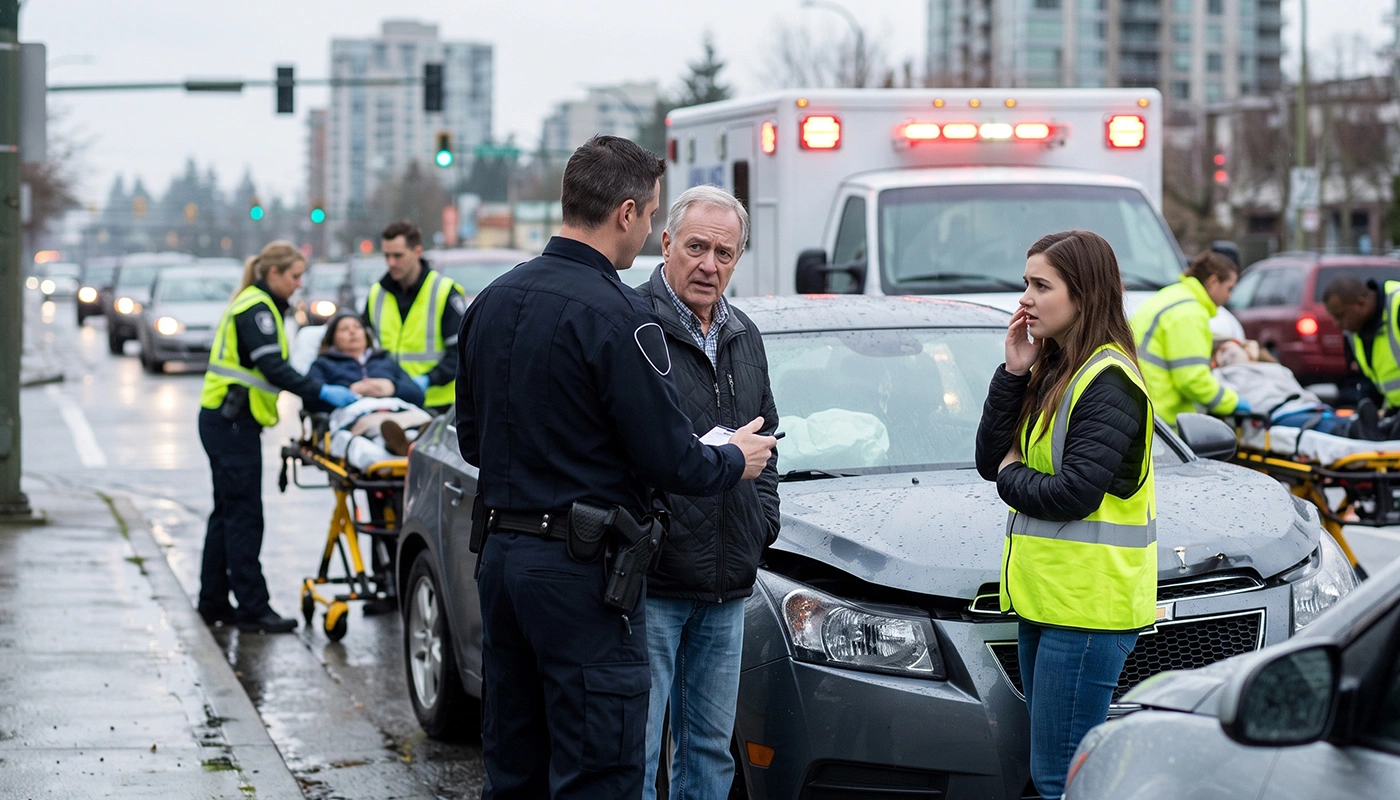
- Report the Accident: Always contact law enforcement to create an official accident report. This document is important for insurance and legal purposes.
- Be Careful With Insurance Adjusters: Insurance companies may try to settle quickly for less than the full value of your claim. Avoid accepting offers without understanding your full damages.
- Speak With a 18 wheeler accident attorney Early: If there is significant damage, injury, or dispute about fault, legal guidance can help protect your rights and improve your claim outcome.
Truck Accident Settlement
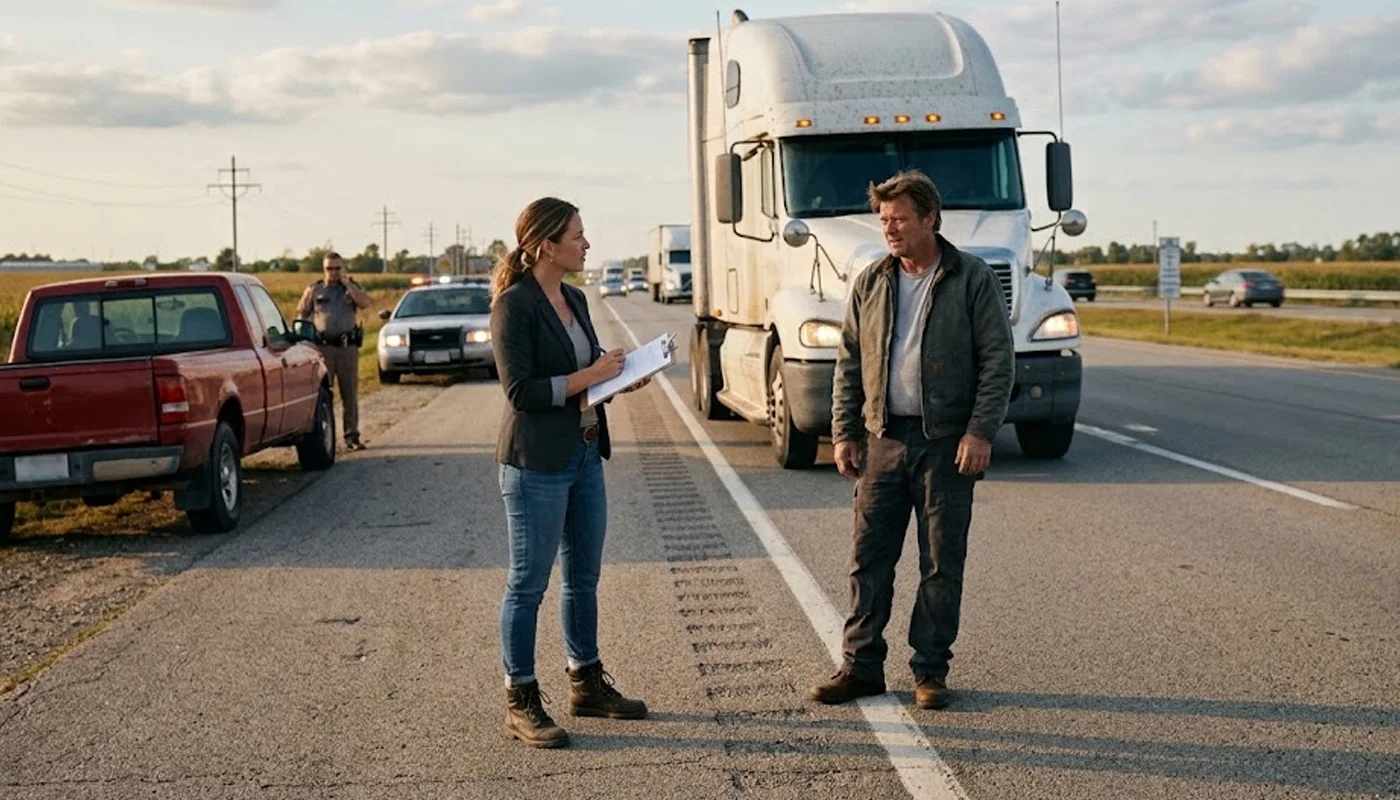
When a rear-end collision involves a truck or commercial vehicle, the case becomes more complex and often results in higher settlement values due to the severity of damage.
- Factors That Affect Settlement Value: Medical expenses, vehicle repairs, lost wages, and long-term injuries all influence compensation amounts.
- Insurance Complexity: Truck accident claims may involve multiple insurance policies and corporate defendants, making negotiations more difficult. Settlement and liability disputes in truck accident cases are also influenced by Texas Civil Practice & Remedies Code § 41.001, which governs negligence-based recovery of damages.
- Importance of Legal Representation: Our law firm understands how trucking companies and insurers operate. We use that experience to pursue maximum compensation for injured clients.
Take the Next Step After Your Accident
Inspecting damage after a rear-end collision is not just about checking your vehicle, it is about protecting your health, financial recovery, and legal rights. Many injuries and mechanical problems are not visible immediately, which is why proper inspection and documentation are so important. If you are dealing with vehicle damage, injury, or insurance disputes after a crash, our team at Lakhani & McGrath, is ready to help. Contact us today to speak with our experienced lawyers and learn how we can fight for the compensation you deserve.