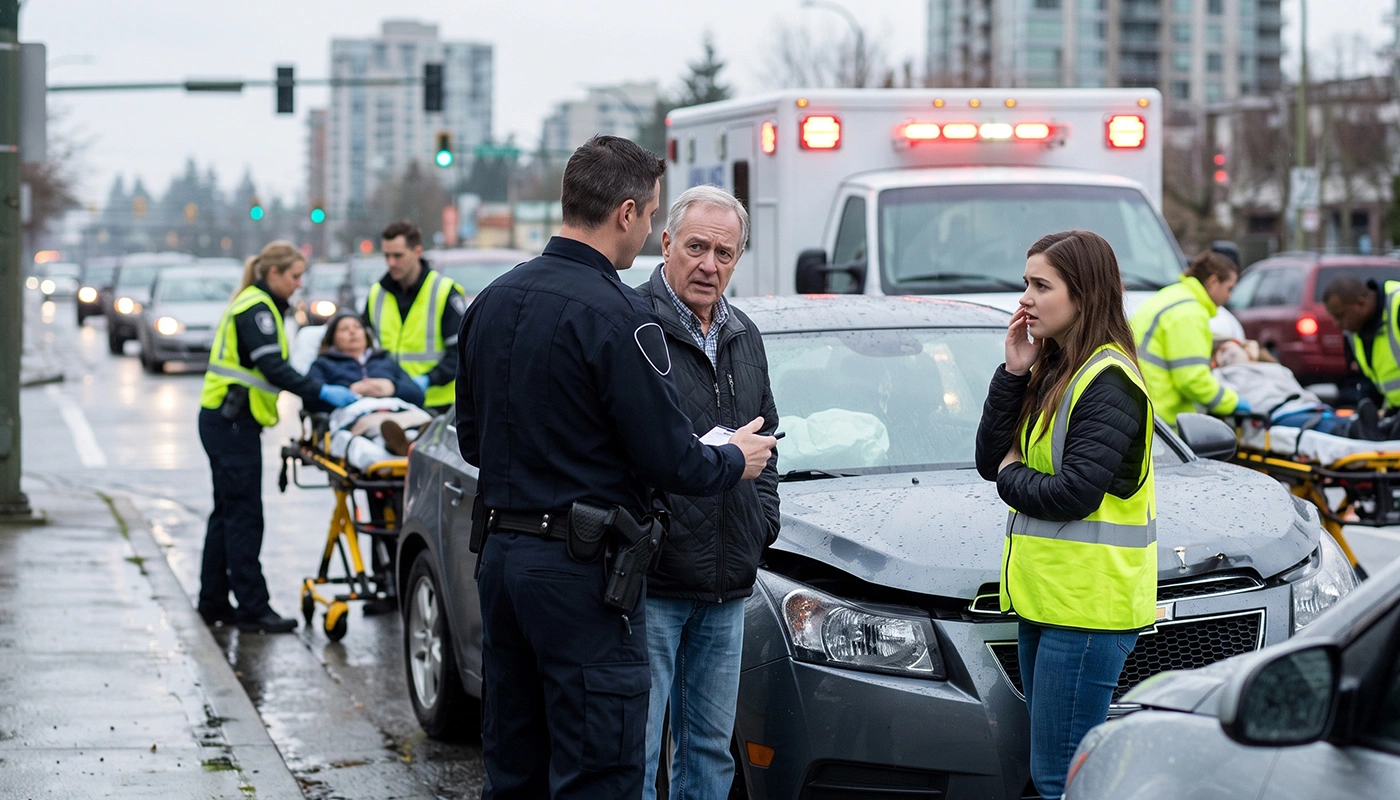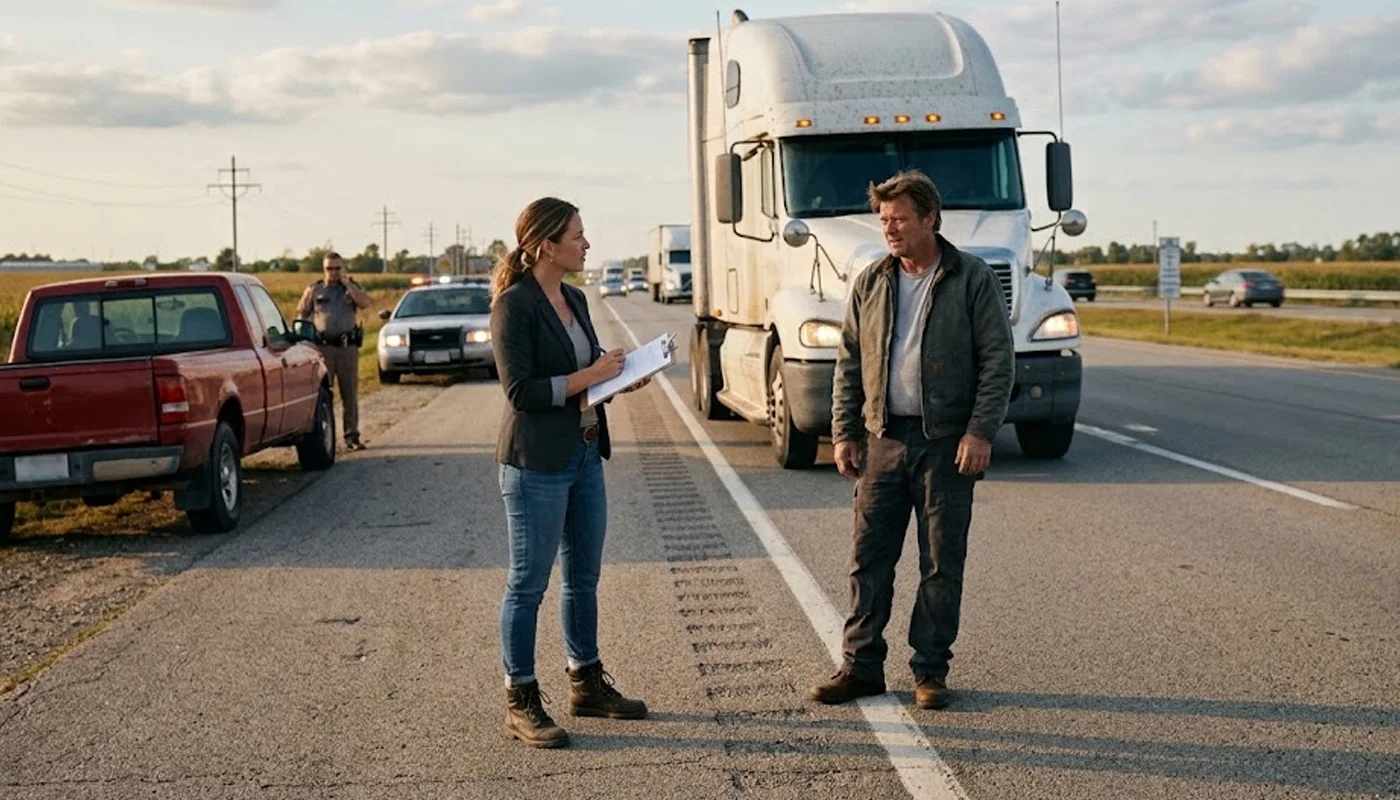

A truck accident claim involves filing a legal request to recover compensation after a collision with a commercial truck. The process includes proving fault, submitting evidence, and negotiating with insurance companies.
Because trucking cases are often complex, proper legal guidance can make a major difference in the outcome. Working with a personal injury lawyer Houston TX can help ensure your rights are protected throughout the claims process. Strong representation also improves your chances of securing fair compensation for medical bills, lost wages, and damages.
Understanding Liability in a Truck Accident Case
Liability in a truck accident case refers to determining who is legally responsible for causing the crash and resulting damages. Because multiple parties may be involved, establishing fault is a key part of securing compensation. Proper investigation helps identify negligence and build a strong claim.
In complex cases involving multiple liable parties, a truck accident attorney can help gather evidence, prove fault, and ensure you pursue the maximum compensation available.
Truck Driver Liability
The truck driver may be held responsible if the accident was caused by speeding, fatigue, distracted driving, or violating traffic laws. Driver negligence is one of the most common causes of truck accidents. Evidence such as logs and witness statements helps prove responsibility.
Trucking Company Liability
A trucking company can be liable if it fails to properly train drivers, enforce safety rules, or maintain vehicles. Companies may also be responsible for unrealistic delivery schedules that lead to driver fatigue. Holding the company accountable often increases compensation potential.
Vehicle Maintenance Responsibility
Accidents caused by brake failure, tire blowouts, or mechanical issues may involve maintenance providers or repair contractors. Poor inspection or delayed repairs can make them legally responsible. Maintenance records are often reviewed to determine fault.
Cargo Loading Liability
Improperly loaded or unsecured cargo can cause serious truck accidents such as rollovers or jackknife crashes. In such cases, third-party loading companies may share liability. Cargo weight and balance records are important evidence in these claims.
Multiple Party Liability
In many truck accident cases, more than one party may share responsibility for the crash. This can include the driver, trucking company, and maintenance or loading teams. Identifying all liable parties helps maximize the potential compensation.
Immediate Steps After a Truck Accident
Filing a truck accident case requires following a proper legal process to ensure you can recover fair compensation for injuries and damages. Understanding each step helps strengthen your claim and avoid costly mistakes.
Report the Accident and Seek Medical Help
The first step is to report the accident to the police so an official report can be created for legal and insurance purposes. You should also seek immediate medical attention even if injuries seem minor because some conditions appear later. This documentation becomes critical evidence for your case.
Gather and Preserve Evidence
You should collect photos, videos, witness information, and any details from the accident scene as soon as possible. Medical reports, repair estimates, and police records should also be safely stored for future use. Strong evidence helps clearly prove fault and supports your compensation claim.
Identify Liable Parties
Truck accidents often involve multiple responsible parties, such as the driver, trucking company, or even maintenance providers. Identifying the correct liable party is essential for holding them accountable for damages. Proper identification ensures your claim is directed against the right individuals or companies.
File an Insurance Claim
Once evidence is collected, you must file a claim with the relevant insurance company, providing full accident details. The insurer will investigate the case and determine compensation based on fault and damages. Accurate filing improves your chances of receiving a fair settlement.
Consult a Truck Accident Lawyer
A truck accident lawyer can guide you through the legal process and handle negotiations with insurance companies. They help protect your rights and ensure you are not pressured into accepting a low settlement. Legal support increases your chances of maximizing compensation.
Navigating the Truck Accident Claims Process
Start by notifying your insurance company and the trucking carrier’s insurer. Preserve evidence and get copies of treatment and billing records. A truck accident claim typically involves:
- Investigation: Gathering police reports, ELD/black box data, driver logs, maintenance history, and witness statements. This step helps reconstruct the accident in detail and identify all potentially liable parties.
- Demand: Your attorney drafts a demand package outlining injuries, medical expenses, lost wages, and a proposed settlement. It also includes supporting documents like medical reports, bills, and proof of income loss.
- Negotiation: Insurers will respond with offers; negotiations can include mediation or formal settlement talks. Your lawyer reviews each offer carefully and pushes back against low settlements using evidence.
- Litigation (if necessary): If you can’t reach a fair settlement, your lawyer files suit and proceeds toward trial. Both sides exchange evidence, take depositions, and build their legal arguments.
Navigating a truck accident claim can be complex, especially when multiple parties and insurance companies are involved. Having the right legal guidance can help you protect your rights and pursue full compensation.
Dealing with Insurance Companies
Insurance companies play a major role in truck accident claims, and understanding how to handle them can directly impact your compensation outcome.
- Report the accident promptly: Notify the insurance company as soon as possible to avoid delays or claim denial issues. Early reporting also helps preserve important evidence.
- Provide accurate information: Share only factual details about the accident without guessing or accepting blame. Incorrect statements can be used to reduce your claim value.
- Do not accept early offers: Initial settlement offers are often lower than the actual value of your damages. Review all offers carefully before agreeing.
- Keep communication documented: Save emails, letters, and call records for future reference. Written communication helps avoid misunderstandings.
- Be cautious with recorded statements: Insurance adjusters may try to record your statement to limit liability. It is best to understand your rights before giving detailed statements.
Calculating Compensation for a Truck Accident Case
Compensation in a truck accident case is based on the total financial, physical, and emotional impact of the crash. It includes both immediate losses and long-term damages that affect the victim’s life.
- Medical expenses: Covers hospital bills, surgeries, medications, rehabilitation, and future medical care related to the accident. These costs are calculated using current and projected treatment needs.
- Lost wages: Includes income lost due to time away from work during recovery. It may also include reduced earning ability if injuries affect future employment.
- Property damage: Pays for repair or replacement of your vehicle and any personal items damaged in the accident. The value is based on repair estimates or market value.
- Pain and suffering: Compensates for physical pain, emotional distress, and reduced quality of life caused by the accident. This is often calculated based on injury severity.
- Future damages: Covers long-term effects such as ongoing treatment, disability, or permanent limitations. Experts may be used to estimate these costs accurately.
When to Consult a Lawyer
Knowing the right time to seek legal help can make a significant difference in the outcome of your truck accident claim.
- Serious injuries: If the accident causes major injuries, legal help ensures medical costs and damages are properly valued.
- Disputed fault: When liability is unclear or contested, a lawyer can gather evidence to protect your claim.
- Insurance denial: If your claim is denied, legal support can challenge the decision and negotiate with insurers.
- Low settlement offers: When compensation does not cover your losses, a lawyer can push for a fairer amount.
- Delayed claims: If the insurance process is taking too long, legal action can help speed things up.
How Can a Lawyer Help?
A lawyer helps you navigate the legal process and ensures your claim is handled fairly from start to finish.
- Case evaluation: Reviews your accident details to determine the strength of your claim.
- Evidence collection: Gathers reports, records, and expert input to build a strong case.
- Insurance negotiation: Handles discussions with insurers to secure fair compensation.
- Legal representation: Represents you in court if a fair settlement is not reached.
- Claim protection: Ensures your rights are protected throughout the entire legal process.
To get personalized guidance and start securing evidence right away, reach out to Lakhani & McGrath. Their team can evaluate your case, preserve critical records, and fight for the maximum compensation you deserve.
Need Help With Your Truck Accident Claim? Call us today.
Handling a truck accident claim can be overwhelming when you are dealing with injuries, medical bills, and insurance pressure. Having experienced legal guidance can make the process smoother and improve your chances of fair compensation. A skilled legal team can help you gather evidence, negotiate with insurers, and protect your rights at every stage. Working with Lakhani & McGrath gives you access to dedicated support focused on maximizing your recovery. With the right help, you can move forward with confidence while your case is handled professionally.