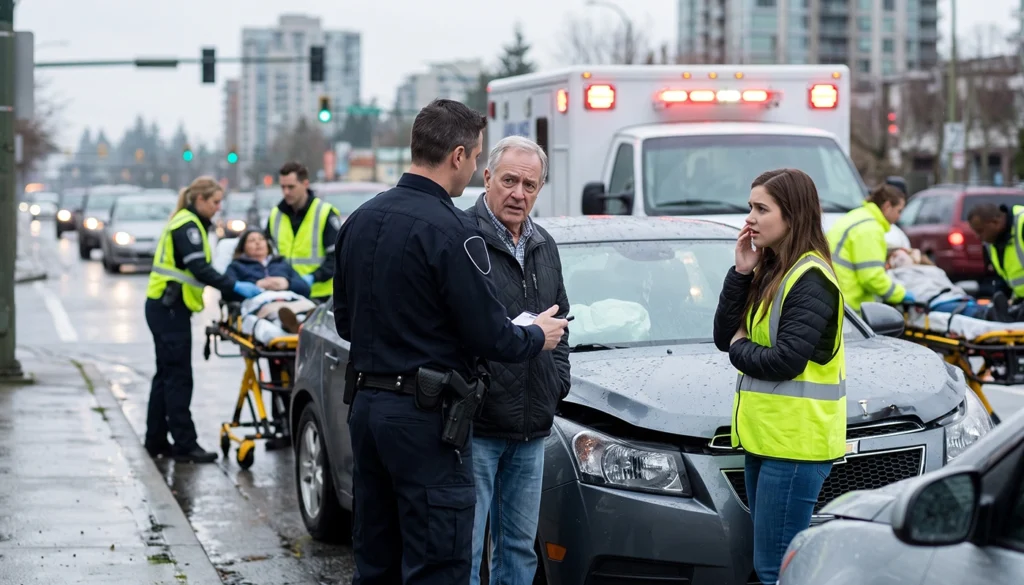
Bodily injury liability is auto insurance coverage that can pay for injuries another person suffers when the insured driver is legally responsible for a covered accident. In Texas, drivers generally must show financial responsibility, and most do so through liability insurance. Texas requires minimum liability limits of $30,000 per injured person, $60,000 per accident, and $25,000 for property damage. Higher limits may also be purchased.
After a Houston crash, understanding the difference between liability coverage and a personal injury claim is important. A Houston car accident lawyer may review the accident facts, available insurance, medical records, and evidence of fault. Policy limits affect potential insurance coverage, but they do not automatically determine the full value of an injured person’s legal claim.
What Does Bodily Injury Liability Cover?
Bodily injury liability coverage generally applies when an insured driver is legally responsible for another person’s injuries arising from a covered automobile accident. The coverage can pay qualifying damages up to the applicable policy limits. The Texas Department of Insurance explains that liability coverage pays for the other driver’s medical bills and certain property damage when the insured caused the accident.
Depending on the circumstances, bodily injury damages may include medical expenses, lost income, physical pain, impairment, disfigurement, and other legally recognized losses. The availability and amount of each category depend on the facts, applicable law, evidence, and insurance policy. Bodily injury liability is different from collision coverage. Collision coverage generally addresses damage to the insured vehicle, while liability coverage addresses claims made by others. Liability coverage also generally does not pay the insured driver’s own bodily injury losses simply because that driver has liability insurance.
Who Does Bodily Injury Liability Protect?
Bodily injury liability primarily protects the insured person against covered claims by people injured through the insured’s legally responsible conduct. The policy may also provide a defense for covered claims, subject to its terms and conditions.
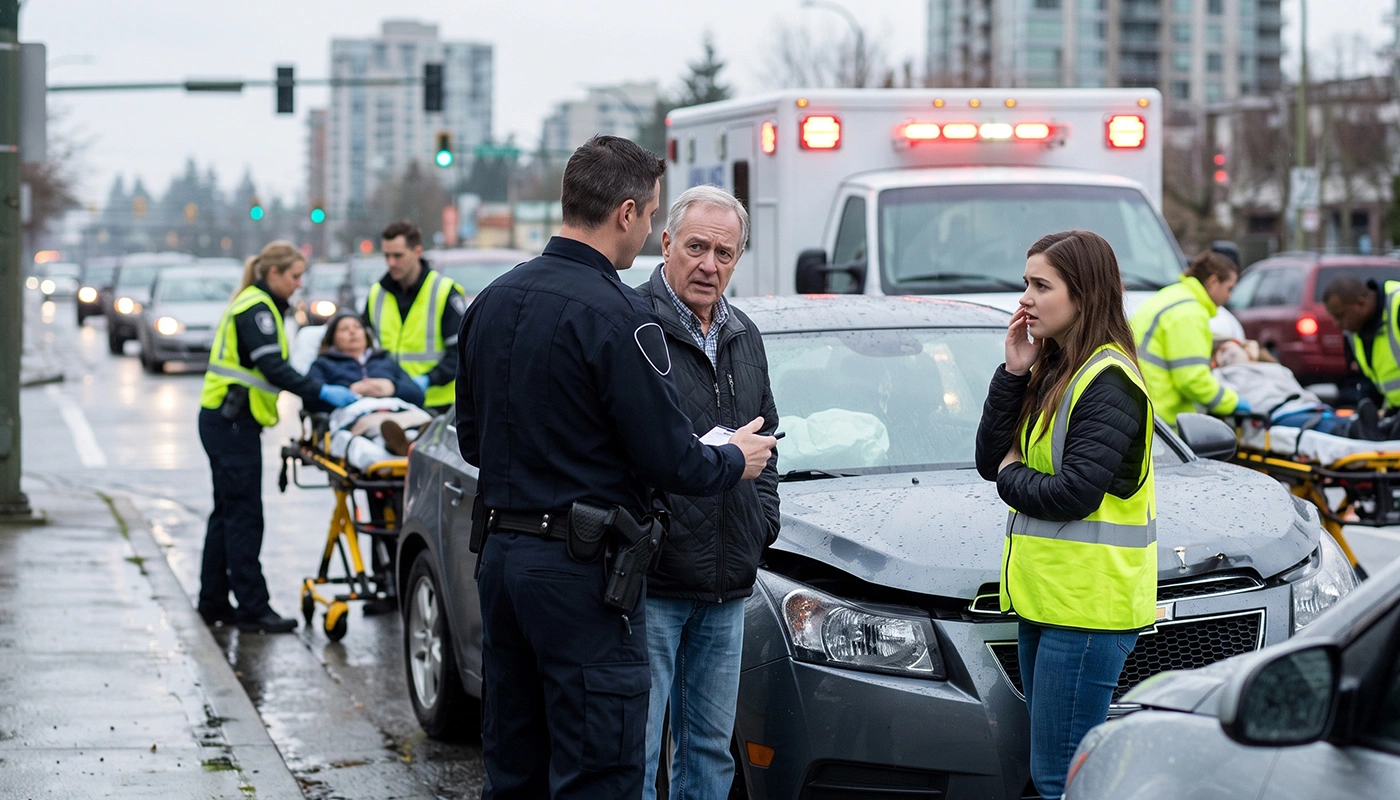
For example, suppose a driver causes a rear-end collision in Houston and another driver suffers a broken arm. The injured driver may pursue a claim against the at-fault driver. If the at-fault driver’s policy covers the accident, bodily injury liability insurance may respond to covered damages within the policy limits.
The injured person is not simply receiving a benefit because an insurance policy exists. The claimant generally must establish the elements necessary for a personal injury claim, including applicable duty, breach or negligence, causation, and damages. Insurance coverage and legal liability are related but separate questions.
What Are Texas Bodily Injury Liability Limits?
Texas law requires drivers to establish financial responsibility. The Texas Department of Insurance identifies the standard minimum liability coverage as $30,000 for each injured person, up to $60,000 for injuries in one accident, plus $25,000 for property damage. These limits are commonly called 30/60/25 coverage.
A driver can purchase higher limits. Higher limits can provide more available insurance protection, but the applicable policy language and facts still matter. A claim involving multiple injured people can also raise practical issues because the per-accident limit may have to address covered bodily injury claims collectively. Texas Transportation Code Chapter 601 contains the state’s financial-responsibility requirements. The statute addresses minimum amounts and the use of motor vehicle liability insurance as evidence of financial responsibility.
How Does Bodily Injury Liability Work After a Car Accident?
After a crash, the injured person may submit a claim to the at-fault driver’s insurer. The insurer typically investigates the accident, evaluates coverage, reviews evidence, and determines whether it will accept or dispute responsibility and what amount it believes is payable.
A claimant should preserve evidence rather than relying only on the insurance company’s investigation. Useful records may include the crash report, photographs, vehicle-damage evidence, witness information, medical records, bills, employment records, and relevant video. If the insurer disputes fault, the issue may become more complicated. The Texas Department of Insurance explains that it cannot decide who caused an accident or require another driver’s insurer to accept liability. A claimant may therefore need to evaluate the evidence and available legal remedies separately from the insurer’s position.
Read Related: How Do Car Accident Settlements Work in Texas?
What If the Other Driver Has Too Little Insurance?
Bodily injury liability coverage may be insufficient when injuries are severe, several people are injured, or the at-fault driver’s policy has low limits. If proven damages exceed available liability coverage, the existence of additional recovery options depends on the circumstances. An injured driver may have uninsured/underinsured motorist coverage under their own auto policy. The Texas Department of Insurance explains that uninsured/underinsured motorist coverage can provide protection in certain situations involving drivers who lack enough insurance. Whether coverage applies depends on the policy, the accident, and applicable law.
This is one reason it is important to identify all potentially applicable policies after a serious collision. A personal injury lawyer near me may help review policy documents, claim communications, and evidence to determine what issues should be considered before a settlement is accepted.
Can You Recover If You Were Partly at Fault?
Possibly. Texas follows proportionate-responsibility rules in many tort cases. Under Texas Civil Practice and Remedies Code Chapter 33, a claimant whose percentage of responsibility is greater than 50% generally may not recover damages. When a claimant’s responsibility is 50% or less, the claimant’s damages can generally be reduced according to that percentage of responsibility.
For example, if a court determines that an injured driver was 20% responsible and another party was 80% responsible, the claimant’s recoverable damages may be reduced by the claimant’s percentage of responsibility, subject to applicable law and the facts. Insurance adjusters may also investigate allegations of shared fault. Do not assume that an insurer’s fault assessment is the same as a court’s determination. Evidence such as photographs, witness accounts, traffic-camera footage, vehicle damage, and expert analysis may affect the analysis.
What Should You Do After an Accident Involving Bodily Injury?
Taking organized steps can help preserve information relevant to both insurance and a potential personal injury claim.
- Seek medical care. Get prompt evaluation for injuries and follow recommended treatment.
- Report the crash. Make the appropriate report and obtain available documentation.
- Preserve evidence. Keep photographs, video, damaged property, witness information, and relevant communications.
- Document losses. Save medical bills, wage information, prescriptions, transportation costs, and other accident-related records.
- Notify insurers carefully. Provide required information, but avoid guessing about fault or making statements that minimize your injuries.
- Review the policy. Determine the relevant liability, uninsured/underinsured motorist, and other applicable coverages.
- Evaluate disputed claims. If the insurer denies responsibility, disputes your injuries, or offers an amount that does not account for documented losses, consider obtaining legal guidance.
Read Related: What to Do After a Car Accident Not Your Fault
When Should You Talk to a Lawyer About Bodily Injury Liability?
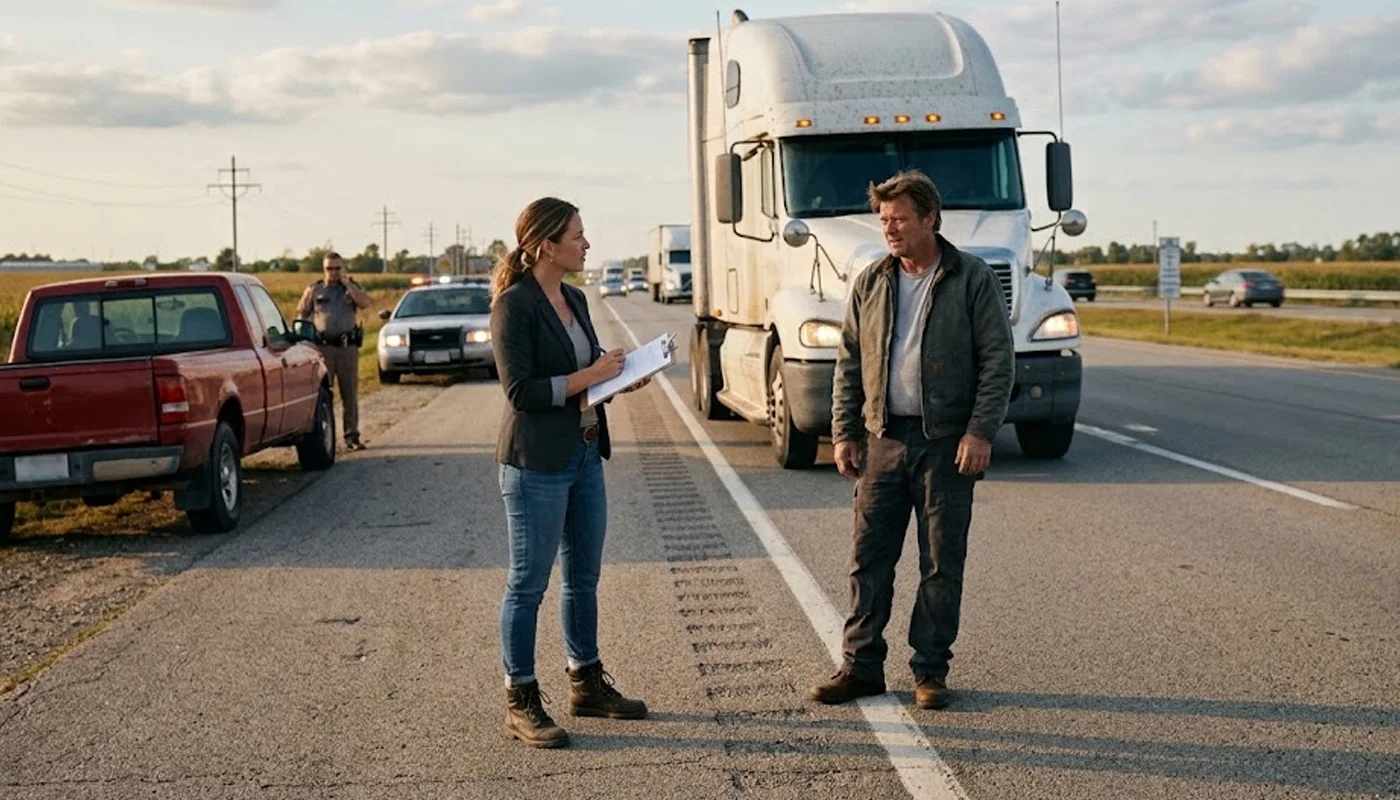
A car accident lawyer near me may help organize evidence, assess liability, identify potentially applicable insurance, and evaluate documented losses. An attorney can also explain how Texas law may apply without assuming that an insurance company’s initial decision is correct. In Houston, complex crashes can involve several vehicles, commercial traffic, intersections, highways, or multiple insurers. The more complicated the facts, the more important it may be to identify the responsible parties and preserve relevant evidence early.
What Is Bodily Injury Liability and How Does It Affect Your Claim?
Bodily injury liability is insurance coverage designed to address covered claims for injuries caused by an insured driver who is legally responsible for an accident. It can provide an important source of compensation, but policy limits, exclusions, evidence, shared fault, and the nature of the injuries can affect what is available. Texas law also imposes deadlines for bringing personal injury lawsuits. Texas Civil Practice and Remedies Code Section 16.003 generally provides a two-year limitations period for personal injury claims, although exceptions can apply. The statute separately addresses actions for injuries resulting in death.
The deadline should not be treated as a reason to delay. Evidence can become harder to preserve as time passes, and medical treatment may continue long after the initial collision.
What to Do Next After a Texas Car Accident
If you were injured in a Texas car accident, understanding bodily injury liability can help you make informed decisions about insurance, medical bills, and potential compensation. Policy limits are only one part of the picture, fault, evidence, the severity of your injuries, and other available coverage can all affect your options. If the insurer is disputing liability, offering a settlement that does not reflect your documented losses, or you are unsure what coverage may apply, getting legal guidance early can help protect your interests. Speak with Lakhani & McGrath about your accident and potential claim.