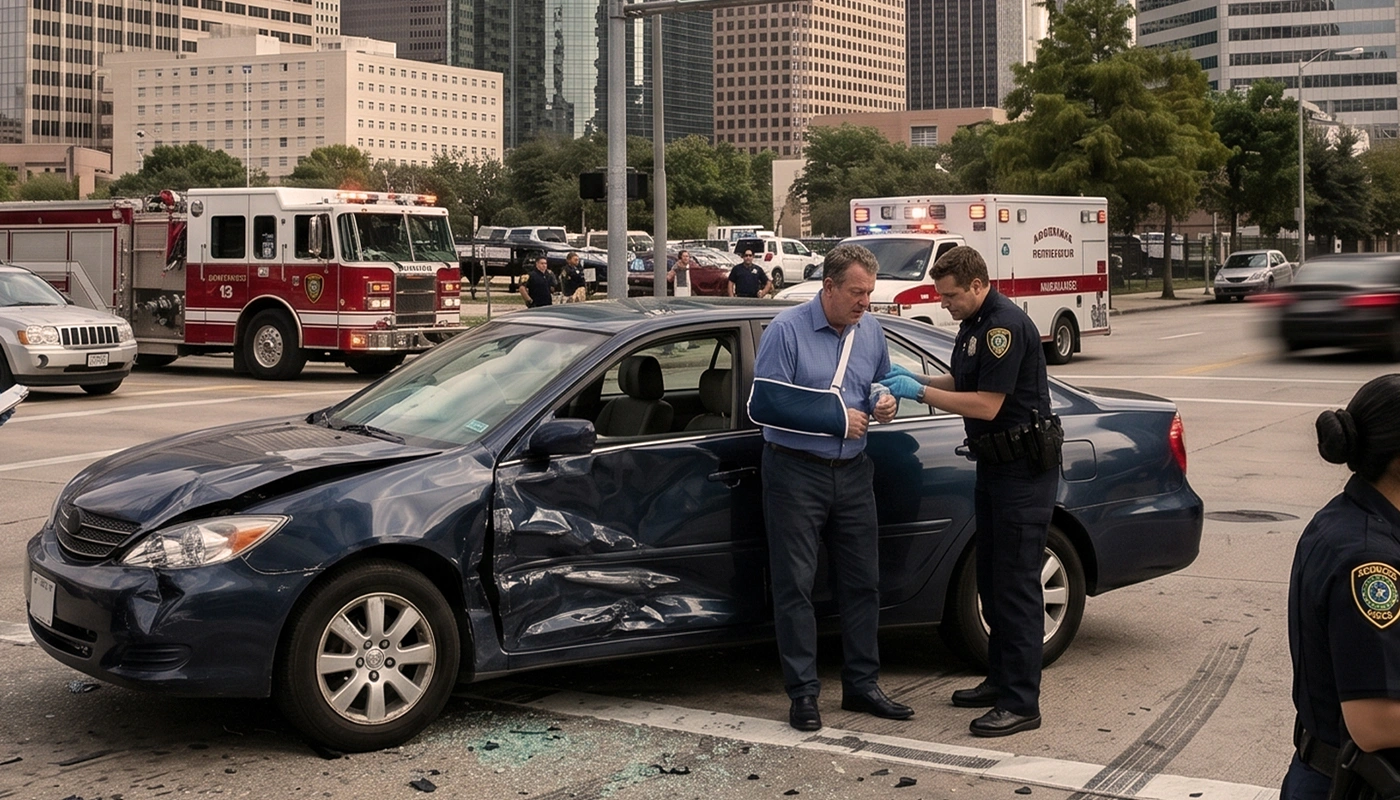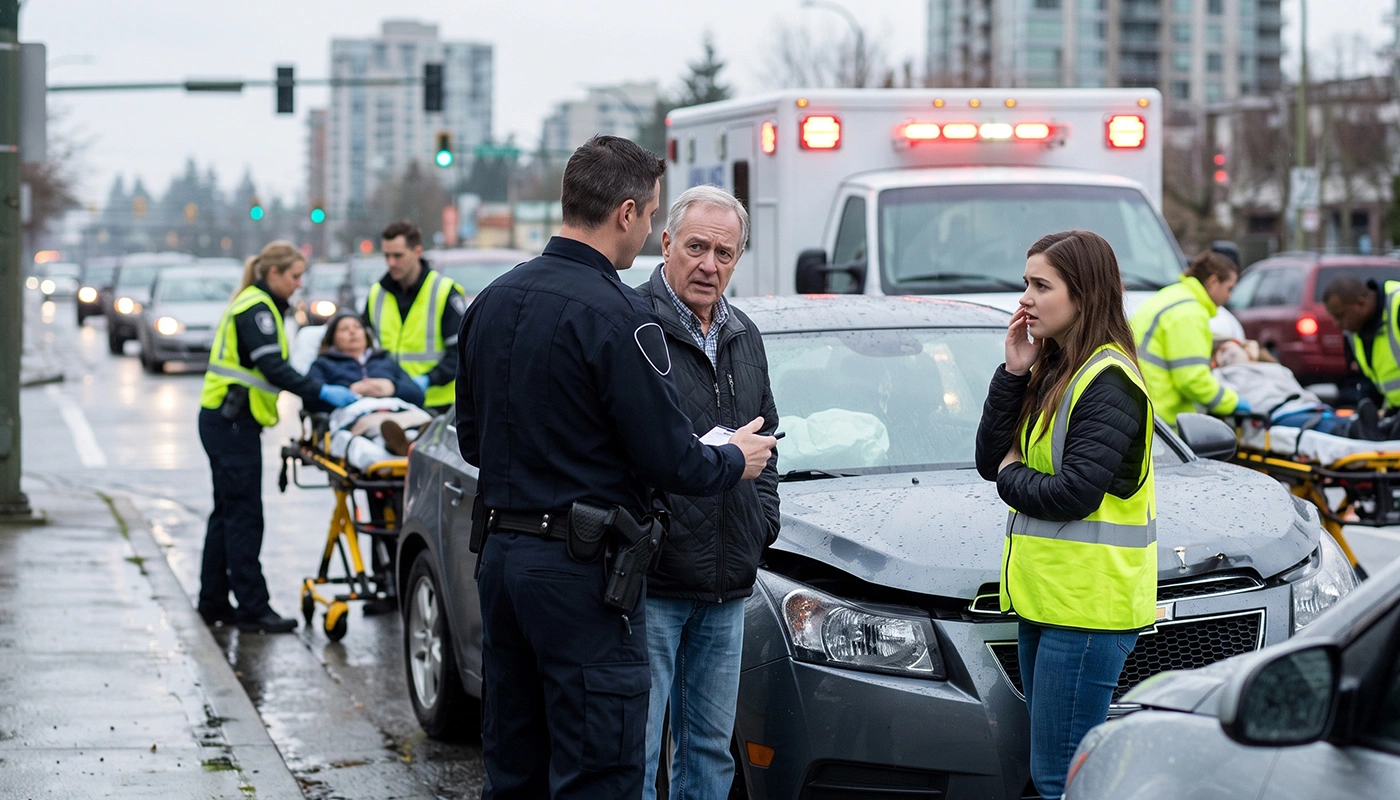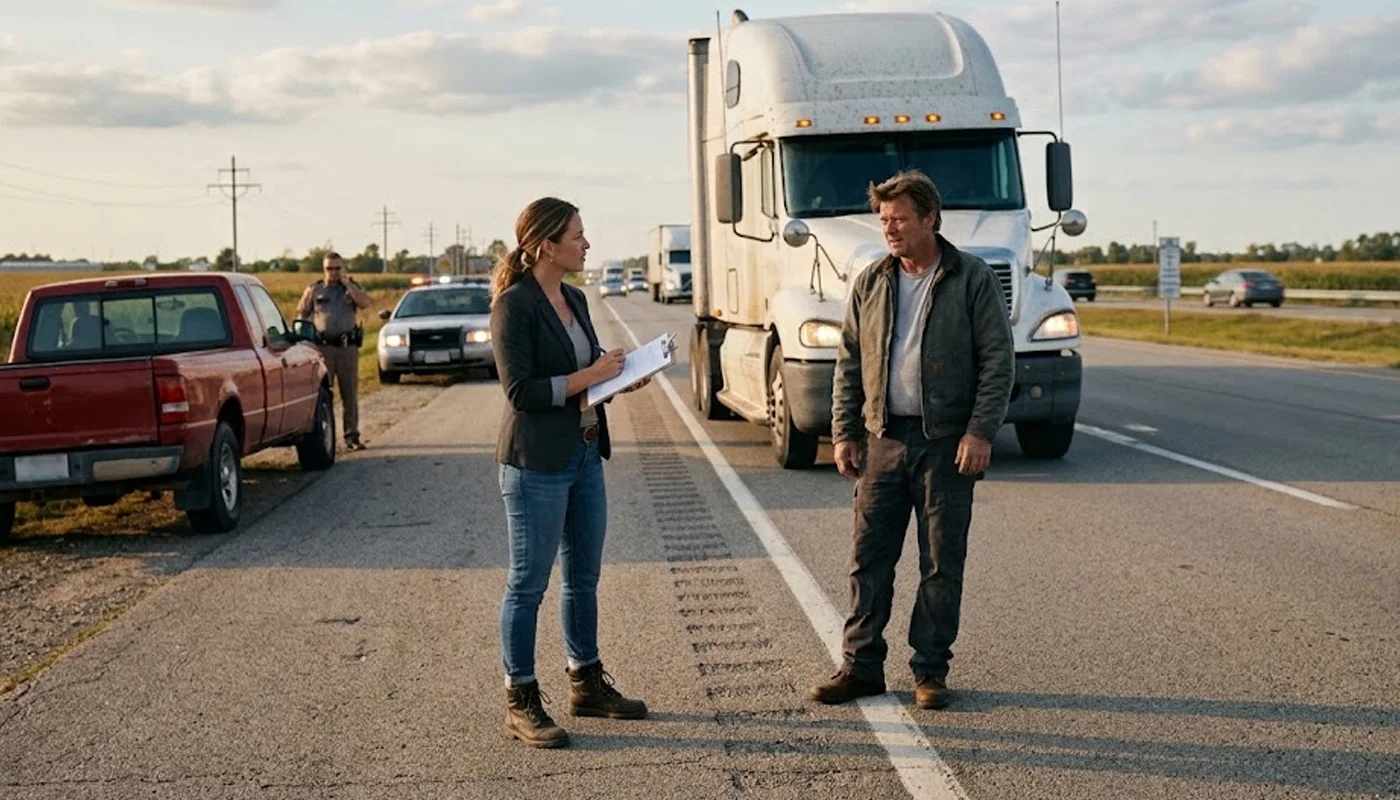
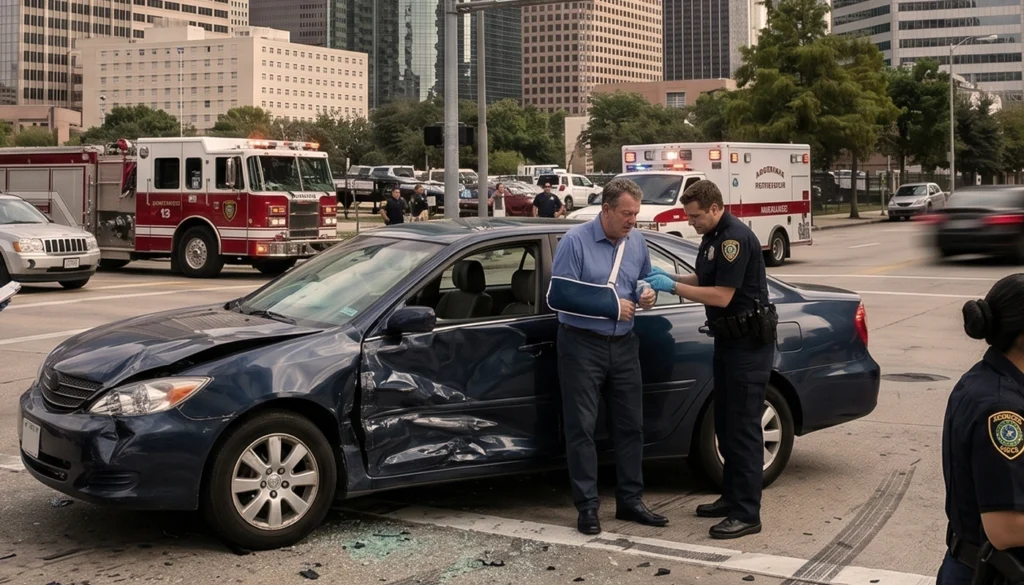
A hit and run accident occurs when a driver involved in a collision leaves without stopping and providing the information or assistance required by law. In Houston, a hit-and-run can leave an injured person facing medical bills, vehicle damage, and uncertainty about how to identify the responsible driver. Texas law requires drivers involved in certain crashes to stop, provide identifying information, and provide reasonable assistance to injured people.
If the other driver cannot be identified, you may still have options. Depending on your insurance policy, uninsured/underinsured motorist (UM/UIM) coverage may help with injuries and property damage caused by a hit-and-run driver. The Texas Department of Insurance explains that UM/UIM coverage can apply when a hit-and-run driver cannot be found. If you need legal guidance, a Hit-and-Run Accident Lawyer Houston can help evaluate the circumstances of your claim.
What Should You Do Immediately After a Hit and Run Accident?
After a hit and run, your first priorities should be safety, medical care, reporting, and preserving evidence. Avoid chasing the fleeing driver because doing so could expose you to additional danger.
1. Move to Safety
If you can safely do so, move your vehicle out of active traffic. Turn on your hazard lights and follow instructions from emergency responders. If anyone appears seriously injured, call 911.
2. Report the Crash
Report the accident to law enforcement as soon as reasonably possible. Tell the responding officer that the other driver left the scene and provide every detail you remember.
In Houston, the Houston Police Department maintains procedures for accident and crash reports. HPD explains that its Texas Peace Officers’ Accident Reports are filed with the Texas Department of Transportation and provides information for obtaining copies.
3. Write Down What You Remember
Record details while they are fresh. Useful information can include:
- Vehicle make, model, color, or distinctive features
- License plate information, even if incomplete
- Direction the vehicle traveled
- Location and time of the collision
- Description of the driver
- Damage to the other vehicle
- Names and contact information of witnesses
- Nearby businesses or homes that may have surveillance cameras
Can You Still Recover Compensation After a Hit and Run?
You may be able to recover compensation after a hit and run through available insurance coverage, but the outcome depends on the policy, evidence, injuries, and circumstances of the collision. Texas Department of Insurance guidance states that UM/UIM coverage may pay for injuries and property damage caused by a hit-and-run driver who cannot be identified.
What Insurance Coverage May Apply?
Several types of coverage may become relevant:
- Uninsured/underinsured motorist coverage: This may cover certain injuries and property damage caused by an unidentified hit-and-run driver.
- Collision coverage: This may help pay for repairs to your vehicle regardless of who caused the crash, subject to the policy’s terms and deductible.
- Medical payments coverage: Depending on the policy, this may help pay medical bills for covered occupants.
- Personal injury protection: Texas auto policies must offer PIP coverage, although a policyholder may reject it in writing. PIP can help cover medical expenses and certain other costs after an accident.
Read Related: Maximize Insurance Claim in Texas
Why Is Evidence Important in a Hit and Run Accident?
Evidence can help establish that a collision occurred, identify the fleeing driver, document injuries and losses, and support an insurance claim. A hit-and-run investigation can be more difficult because the responsible driver’s statements and insurance information may initially be unavailable.
Potential evidence includes photographs, vehicle damage, surveillance footage, traffic-camera information when available, witness accounts, police records, medical records, and physical evidence from the collision.
You should also preserve damaged vehicle parts and avoid making unnecessary repairs before your insurer has an opportunity to inspect the vehicle, unless repairs are necessary for safety. Keep photographs and copies of estimates, invoices, medical bills, and correspondence with insurers. If the other vehicle is later identified, information from the police investigation may become relevant to determining liability and available insurance coverage.
What If the Hit-and-Run Driver Is Found?
If police identify the driver, the case may involve both criminal and civil issues. Texas Transportation Code Chapter 550 establishes duties for drivers involved in collisions, including stopping and providing required information or assistance in circumstances covered by the statute.
A criminal investigation or prosecution is separate from a civil personal injury claim. A criminal case is handled by the government, while a civil claim seeks compensation for legally recognized losses. The existence or outcome of a criminal investigation does not automatically determine the result of a civil claim. If the driver is identified, you may potentially pursue an insurance claim against the driver’s liability coverage. The amount that can be recovered depends on applicable insurance limits, damages, liability, and other facts.
What If the Driver Is Never Identified?
An unidentified driver does not necessarily end the possibility of an insurance claim. Texas Department of Insurance guidance specifically identifies hit-and-run accidents as situations in which UM/UIM coverage may provide protection.
However, insurance companies may require specific evidence before accepting a UM/UIM claim. Policy language and the facts surrounding the collision matter. For example, Texas Department of Insurance explains that physical contact with the uninsured vehicle is required for UM/UIM coverage in the circumstances described by its consumer guidance.
This is one reason documenting the crash thoroughly can be important.
When Should You Contact a Lawyer After a Hit and Run?
Consider speaking with a qualified Texas personal injury attorney when the crash caused significant injuries, required hospitalization, resulted in substantial vehicle damage, caused lost income, or created a complicated insurance dispute. A lawyer can review available evidence, identify potentially applicable insurance coverage, communicate with insurers, and explain potential legal options. If you are searching for a car accident lawyer near me, choose someone familiar with Texas personal injury and insurance laws. Legal guidance may also be particularly important if an insurer disputes whether the incident qualifies for UM/UIM coverage or questions the extent of your injuries or damages.
What Should You Avoid After a Hit and Run?
Certain actions can make an already difficult situation more complicated.
Do Not Chase the Other Driver
Trying to follow a fleeing vehicle can create additional safety risks. Instead, give police the vehicle’s direction of travel and other identifying information.
Do Not Guess About Details
If you are unsure about the vehicle’s color, speed, license plate, or direction, say that you are unsure. Accurate observations are more useful than guesses.
Do Not Immediately Accept an Insurance Settlement
Before accepting a settlement, understand what expenses and losses it covers and whether your injuries are fully understood. Once a claim is resolved, your ability to seek additional compensation may be limited depending on the circumstances and documents involved.
Do Not Ignore Medical Symptoms
Some injuries may not be obvious immediately after a crash. Seek appropriate medical evaluation and follow medical recommendations. Keep records of appointments, treatment, prescriptions, and related expenses.
What Damages May Be Available After a Hit and Run?
The damages available depend on the applicable claim, coverage, evidence, and facts. In an injury claim, potentially recoverable losses may include medical expenses, lost income, and certain non-economic damages when legally supported.
Property-related losses may include vehicle repair costs or other covered property damage. Texas Department of Insurance states that UM/UIM coverage can include certain medical expenses, vehicle damage, rental-car costs, and pain and suffering, subject to the policy and applicable requirements. You should not assume that every type of loss is automatically covered. Insurance limits, deductibles, exclusions, proof of damages, and legal requirements can affect recovery.
How Long Do You Have to File a Texas Injury Claim?
Texas generally provides a two-year limitations period for personal injury lawsuits under Texas Civil Practice and Remedies Code §16.003. The statute states that a person must bring an action for personal injury no later than two years after the cause of action accrues. Exceptions can apply, and other types of claims may have different rules.
The limitations period is different from an insurance company’s deadline for reporting an accident or making a claim. Your insurance policy may impose notice requirements, so reviewing the policy promptly is important. For a Houston hit-and-run involving serious injuries, waiting can make it harder to preserve evidence and investigate the circumstances. Speaking with an attorney early can help you understand the deadlines and potential issues that apply to your situation.
Don’t Face a Hit-and-Run Claim Alone
A hit and run accident can leave Houston drivers and passengers dealing with injuries, vehicle damage, insurance questions, and uncertainty about who will pay. Start by getting to safety, reporting the collision, seeking medical care, documenting the scene, identifying witnesses, and preserving evidence.
If the driver is not found, uninsured/underinsured motorist coverage may provide an important source of protection depending on your policy and the circumstances. If the driver is identified, liability insurance and other legal options may become available. When an accident involves serious injuries or a disputed insurance claim, Lakhani & McGrath can review the circumstances and explain potential next steps.