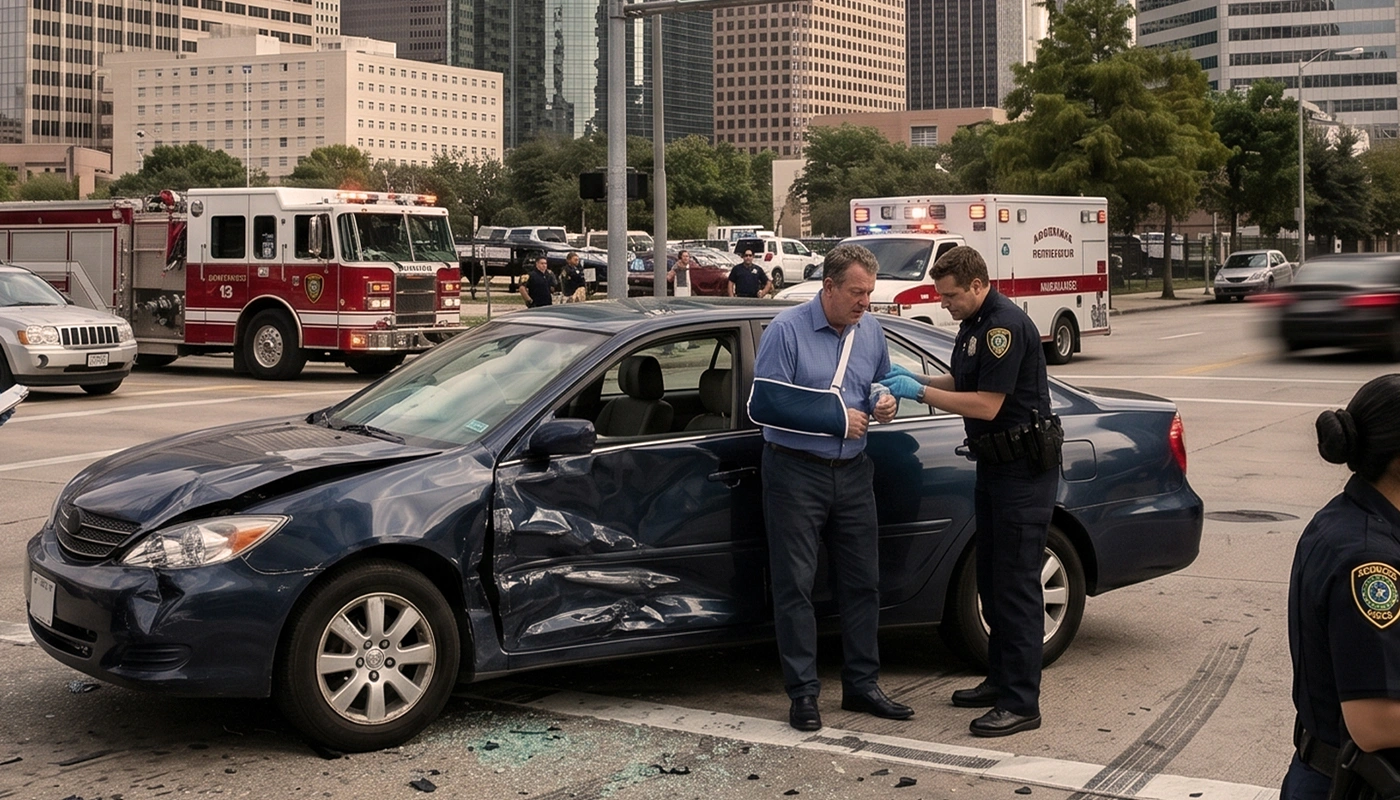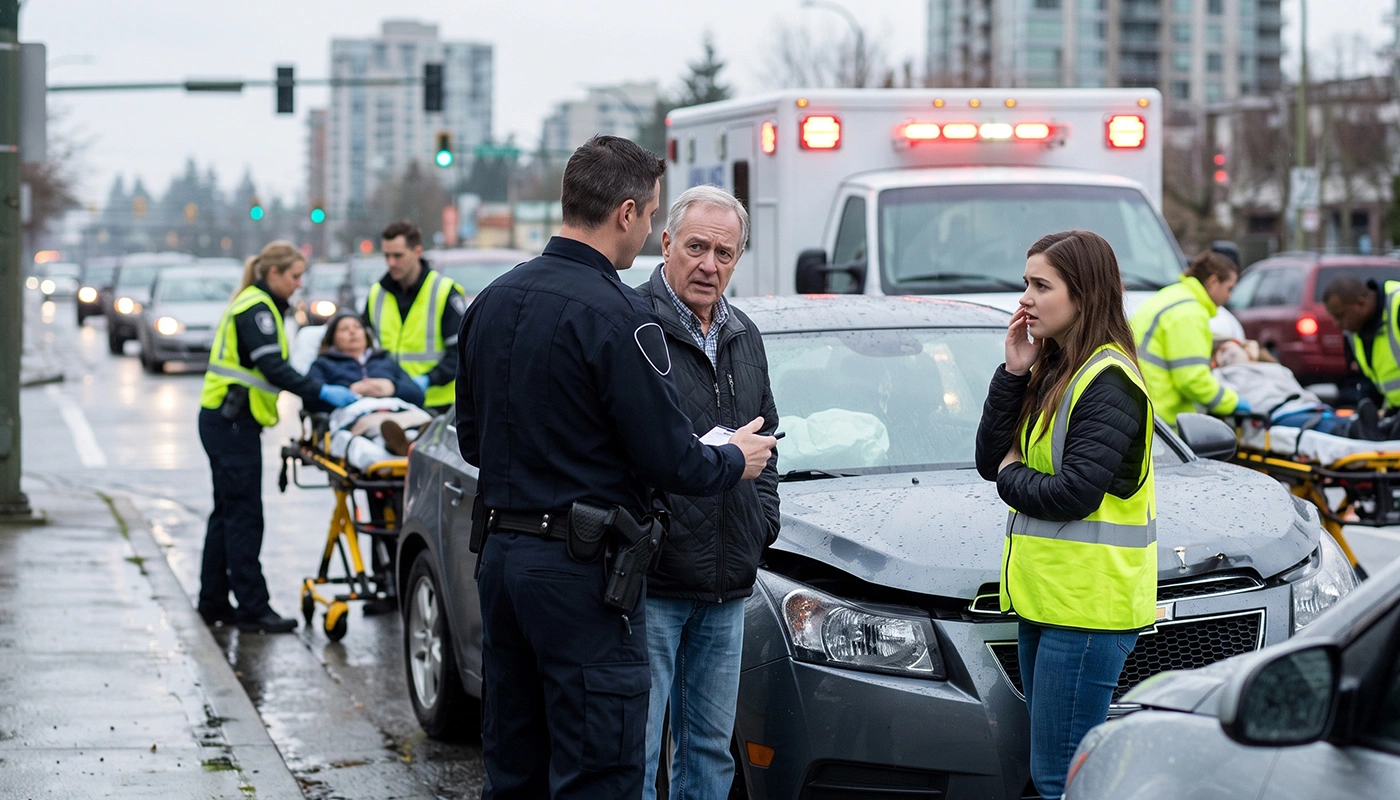

In the United States, 6,228 motorcyclists were killed in traffic crashes in 2024, according to the National Highway Traffic Safety Administration (NHTSA). In Texas, 585 motorcyclists, including operators and passengers, were killed in crashes during 2024, according to the Texas Department of Transportation (TxDOT).
These figures show why motorcycle crashes deserve serious attention, particularly for riders and families dealing with catastrophic injuries or a fatal collision. Statistics can show broader trends, but they cannot determine who caused an individual crash. Liability depends on the facts, evidence, insurance coverage, and applicable Texas law. For a Houston rider, a motorcycle accident lawyer Houston may investigate crash reports, photographs, vehicle damage, witness statements, available video, medical records, and other evidence that may establish how the collision occurred.
How Many Motorcycle Deaths Occur in the U.S. Each Year?
NHTSA reported 6,228 motorcyclists killed in 2024, representing 16% of all traffic fatalities. The agency states that this was the highest number of motorcyclists killed since at least 1975. In 2023, NHTSA reported 6,335 motorcyclists killed and an estimated 82,564 injured.
The numbers can change from year to year because motorcycle deaths are influenced by traffic exposure, weather, riding patterns, speed, impairment, road conditions, and other factors. Looking only at the number of deaths also does not provide the complete picture of motorcycle safety.
NHTSA reported a 2023 motorcyclist fatality rate of 31.39 deaths per 100 million vehicle miles traveled, compared with 1.13 for passenger-car occupants. This comparison demonstrates the significantly greater fatality risk faced by motorcyclists in traffic crashes.
How Many Motorcycle Deaths Occur in Texas?
Texas recorded 585 motorcyclists killed in 2024, according to TxDOT’s annual crash report. The figure includes motorcycle operators and passengers. TxDOT also reported 251,977 people injured in Texas motor vehicle crashes during the same year.
Texas has extensive urban and rural roadways, making motorcycle safety an important statewide concern. In Houston, riders share busy streets and highways with passenger vehicles, commercial trucks, buses, and other traffic. Intersections, lane changes, turns, congestion, and visibility can create dangerous situations for motorcyclists. TxDOT maintains annual Texas motor vehicle crash statistics, allowing the public to review statewide crash information across multiple years.
Why Are Motorcycle Crashes So Dangerous?
Motorcycles provide considerably less physical protection than passenger vehicles. A rider can be thrown from the motorcycle or struck by another vehicle during a collision. A crash can result in fractures, traumatic brain injuries, spinal injuries, internal injuries, road rash, amputations, or other serious motorcycle accident injuries.
NHTSA reported that the motorcyclist fatality rate in 2023 was nearly 28 times the passenger-car occupant fatality rate per vehicle miles traveled. The agency also emphasizes visibility, safe riding, helmet use, and cooperation between motorists and motorcyclists. Alcohol impairment can also contribute to fatal motorcycle crashes. NHTSA reported that 40% of motorcycle riders who died in single-vehicle crashes in 2024 were alcohol-impaired. That statistic does not mean alcohol contributed to every motorcycle death; each collision requires its own factual investigation.
Also Read: fatal motorcycle accident
What Are the Common Causes of Motorcycle Deaths?
Common contributing factors can include:
- Excessive or unsafe speed
- Alcohol or drug impairment
- Drivers failing to see motorcycles
- Unsafe lane changes or turns
- Failure to yield
- Distracted driving
- Hazardous road conditions
- Poor visibility or adverse weather
- Mechanical or equipment problems
Does Wearing a Motorcycle Helmet Reduce the Risk of Death?
Yes. Motorcycle helmets can reduce the risk and severity of fatal head injuries, although no protective equipment eliminates every crash risk. NHTSA recommends DOT-compliant motorcycle helmets and encourages riders to wear them consistently. Texas also regulates motorcycle protective headgear. Texas Transportation Code §661.003 generally requires people operating or riding as passengers on motorcycles on public streets or highways to wear compliant protective headgear, subject to statutory exceptions. Those exceptions include certain riders aged 21 or older who satisfy specified requirements.
Helmet use can become relevant in a personal injury dispute. Whether a rider wore a helmet and whether its use affected particular injuries are fact-specific questions. A helmet issue does not automatically determine who caused a collision.
What Should You Do After a Motorcycle Accident in Houston?
If you survive a serious motorcycle crash, seek medical attention first. Once you are safe, consider these steps:
- Report the collision to the appropriate law enforcement agency.
- Photograph the motorcycle, vehicles, roadway, signs, visible injuries, and surrounding conditions if safe.
- Collect contact information from witnesses and other involved parties.
- Keep medical records, bills, prescriptions, repair estimates, and wage-loss documentation.
- Preserve your helmet, riding gear, photographs, video, and other physical or digital evidence.
- Avoid making statements that speculate about fault or minimize your injuries.
- Do not accept a settlement before understanding what losses it may cover.
- Consider obtaining legal guidance if injuries are serious or liability is disputed.
After a collision, a motorcycle accident lawyer near me may help evaluate evidence, insurance coverage, liability, and potential damages. Early guidance can be particularly important when an insurer disputes responsibility or questions the value of an injury claim.
Also Read: steps to take after a motorcycle accident
Who May Be Liable for a Motorcycle Accident?
Liability depends on the evidence. A negligent driver may be responsible when unsafe conduct causes a collision. Depending on the circumstances, potentially responsible parties can also include an employer, trucking company, property owner, vehicle manufacturer, maintenance provider, or another entity. Texas uses proportionate responsibility rules. Texas Civil Practice and Remedies Code Chapter 33 addresses how responsibility is determined among parties and how a claimant’s own percentage of responsibility can affect recovery.
How Is Compensation Determined After a Motorcycle Crash?
Compensation is not based on statewide motorcycle death statistics. It depends on the losses connected to the particular accident and the legal basis for recovery. Depending on the circumstances, an injury claim may involve medical expenses, lost income, diminished earning capacity, physical pain, mental anguish, physical impairment, disfigurement, and other legally recognized damages. A fatal crash may involve wrongful-death or survival claims, depending on Texas law and the circumstances.
Insurance coverage also matters. A claim could involve the at-fault driver’s liability insurance, uninsured or underinsured motorist coverage, or another applicable policy. Policy limits, exclusions, policy language, and the facts of the collision can affect available coverage. If you are dealing with a serious crash involving disputed fault or significant losses, a motor vehicle accident attorney Houston can help explain how the facts may affect your potential claim.
How Long Do You Have to File a Motorcycle Accident Lawsuit in Texas?
Texas Civil Practice and Remedies Code §16.003 generally requires a personal injury lawsuit to be filed within two years after the cause of action accrues. The statute also addresses actions for injuries resulting in death. However, exceptions and other laws can affect the applicable deadline. This should not be treated as a universal deadline for every motorcycle accident. Different rules can apply depending on the defendant, governmental involvement, the claimant’s circumstances, and other facts. Waiting until the deadline approaches may also make it harder to preserve evidence and investigate the crash.
What Do Motorcycle Death Statistics Mean for Houston Riders?
National and Texas statistics demonstrate the serious consequences motorcycle crashes can have, but statistics cannot determine fault in an individual collision. For Houston riders, legal options depend on the circumstances of the crash, including vehicle movements, road conditions, injuries, insurance coverage, and available evidence.
If another person’s negligence caused your injuries, you may have a claim for compensation. If a loved one died, Texas law may provide a wrongful-death or survival claim depending on the circumstances and eligible parties. A qualified Texas attorney can review the facts and explain potential options without assuming that every motorcycle crash will result in a lawsuit.
Get Legal Help After a Serious Motorcycle Accident
A serious motorcycle crash can leave you facing medical bills, lost income, lasting injuries, or the loss of someone you love. Evidence can also become harder to preserve as time passes. If another party may be responsible, Lakhani & McGrath can review your situation, explain your legal options, and help you understand what steps may be available under Texas law. Don’t wait until evidence is lost or an important deadline is approaching, getting legal guidance early can help you make informed decisions about your claim.