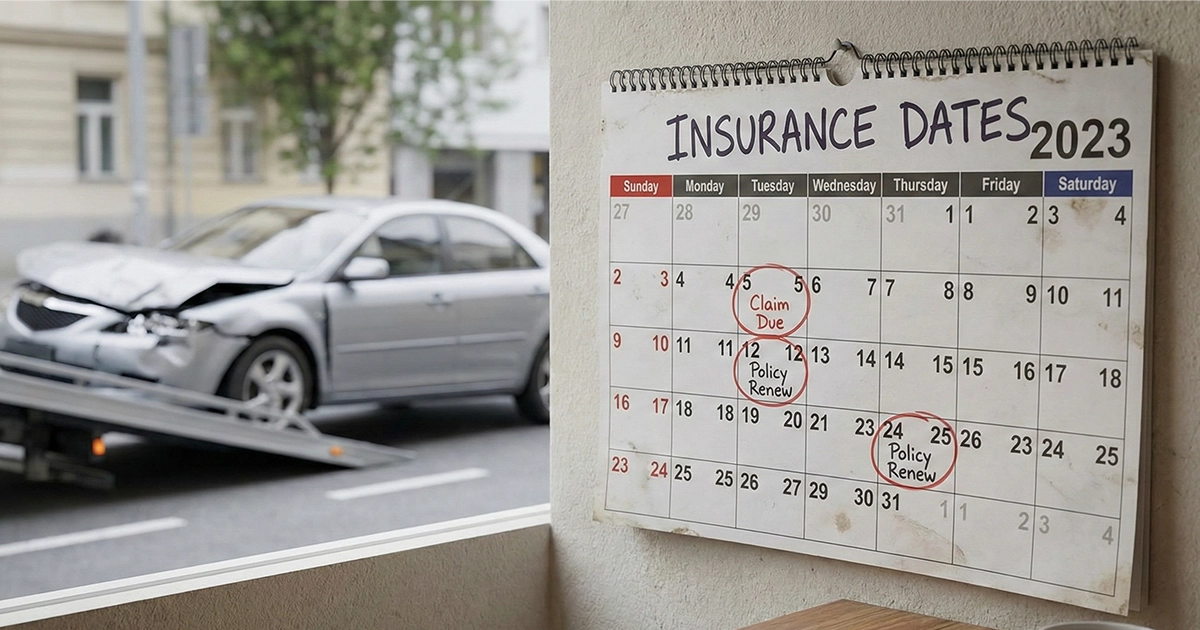
Car accidents can affect your driving and insurance records long after repairs are made. In Texas, accidents may influence insurance premiums, driving privileges, and legal responsibility. How long they stay on record depends on how insurers and the Texas Department of Public Safety track the incident.
Minor accidents often remain on insurance records for three years, while serious or at-fault crashes may last five years or longer. Accidents involving DUIs or reckless driving can impact your record for up to a decade. If questions about fault or liability arise, a car accident attorney Houston can help protect your rights and driving history.
What Counts as an Accident?
Not every minor scrape or parking lot bump will permanently affect your insurance. Generally, insurers and the DPS only track accidents that meet certain criteria:
- Property Damage: Collisions causing significant vehicle damage above a minimum threshold.
- Injury or Fatality: Accidents where medical care is required, or someone is injured or killed.
- Police Reports: Any crash officially documented by law enforcement, even if injuries are minor.
Even a “minor” accident can appear in your records if an insurance claim is filed, so understanding what gets reported is crucial for planning your next steps.
Driving Record and Insurance: Minor vs. Major Accidents
The length of time an accident stays on your record depends on its nature and severity. While policies differ among insurance companies, general timelines apply:
- Minor Accidents: Small collisions or fender-benders generally remain on your record for about three years. These usually have minimal impact on insurance premiums unless you have multiple incidents.
- Major Accidents: Crashes causing significant property damage or injuries may stay on your record for five years or more, potentially increasing insurance premiums and affecting your eligibility for certain discounts. Under Texas Transportation Code § 521.048, the law states how driving records are maintained and certified by DPS.
- DUI or Reckless Driving Accidents: These severe violations often remain on records for 7–10 years or longer. They can impact both your insurance rates and your driving privileges under Texas Transportation Code § 521.292.
It’s important to note that the clock starts from the date of the accident, not from when the insurance claim is resolved. Prompt reporting ensures the record is accurate and starts the tracking period without delay, as required by Texas Transportation Code § 550.062 for crash reporting by law enforcement. Because strict deadlines can directly affect your right to compensation, consulting an experienced lawyer early helps ensure compliance and protects your legal claim.
How Long Do Accidents Affect Insurance Rates
Accidents can raise insurance premiums, sometimes for years. Insurers consider your accident history as an indicator of risk. The impact depends on several factors:
- At-Fault vs. Not-At-Fault: Accidents where you are determined at fault usually increase premiums the most. Not-at-fault accidents may appear on your record, but often don’t raise rates significantly.
- Frequency of Accidents: Multiple accidents, even minor ones, suggest a higher risk and can compound insurance increases.
- Severity of Damage: Accidents involving injuries or expensive property damage lead to longer-lasting rate increases.
Insurance companies also consider your driving record as a whole. A driver with one minor accident and an otherwise clean record will generally pay less than a driver with multiple collisions or violations.
Texas DPS Driving Record vs. Insurance Record
In Texas, the Department of Public Safety (DPS) keeps a driving record that includes at-fault accidents. This record can affect:
- Future Insurance Rates: Insurers check your DPS record when setting premiums.
- Eligibility for Programs: Certain safe driving or low-risk programs require a clean DPS record.
- Legal Liability: Your driving history may be considered in subsequent accidents or violations.
Even if an accident no longer affects your insurance premiums after 3–5 years, it may still appear on your DPS record and influence future claims or risk assessments.
Steps to Minimize the Impact of an Accident
While accidents remain on your record for several years, there are steps you can take to reduce their long-term effects:
- Maintain a Clean Record: Avoid additional claims, traffic tickets, or moving violations after the accident. A single new incident can extend the impact of past accidents.
- Accident Forgiveness Programs: Some insurers will forgive a first minor accident, preventing a premium increase. Check your policy to see if this applies.
- Defensive Driving Courses: Completing an approved course can earn discounts and demonstrate responsible driving.
- Shop for Insurance: Comparing rates from multiple insurers may help you find better premiums even with an accident on record.
- Increase Your Deductible: Raising your deductible can lower monthly premiums, though it means paying more out-of-pocket for future claims.
Taking these steps can prevent an accident from having an unnecessarily long effect on your insurance costs.
Legal Considerations After an Accident
Legal guidance can protect your insurance record and prevent disputes from escalating. Consulting a car accident attorney Houston ensures your claims are handled correctly, at-fault determinations are challenged if needed, and your insurance record is safeguarded.
- Traffic Attorneys: Can help contest at-fault determinations, negotiate settlements, and advise on insurance record impacts.
- Accurate Documentation: Police reports, witness statements, and medical records are essential to support your case. Errors in reporting can prolong the impact of an accident on your insurance.
Consulting a knowledgeable attorney ensures that mistakes in claims or reporting do not unnecessarily extend the time an accident stays on your record.
Key Texas Statutes Affecting Accident Records
Understanding the legal framework is crucial for protecting your driving and insurance records:
- Texas Transportation Code § 550.021: Requires drivers to stop and provide information after accidents causing injury or death.
- Texas Transportation Code § 550.022: Addresses leaving the scene of accidents causing property damage.
- Texas Civil Practice & Remedies Code § 33.001: Governs comparative responsibility in accidents and can influence insurance determinations.
Compliance with these statutes ensures accurate reporting and protects your rights during accident claims.
Protecting Your Record After a Car Accident
Accidents stay on your insurance record for 3–5 years in most cases, with more serious incidents lasting longer. At-fault accidents have the greatest impact, while minor or not-at-fault accidents usually have a smaller effect. DUIs or reckless driving incidents can remain on records for 7–10 years, influencing premiums and driving history.
By understanding how insurance companies track accidents, keeping a clean record, completing defensive driving courses, and consulting Lakhani & McGrath when disputes arise, drivers can reduce the long-term impact of accidents. Staying proactive and informed ensures that your insurance rates return to normal as quickly as possible and that accidents don’t have an unnecessary lasting effect on your record.