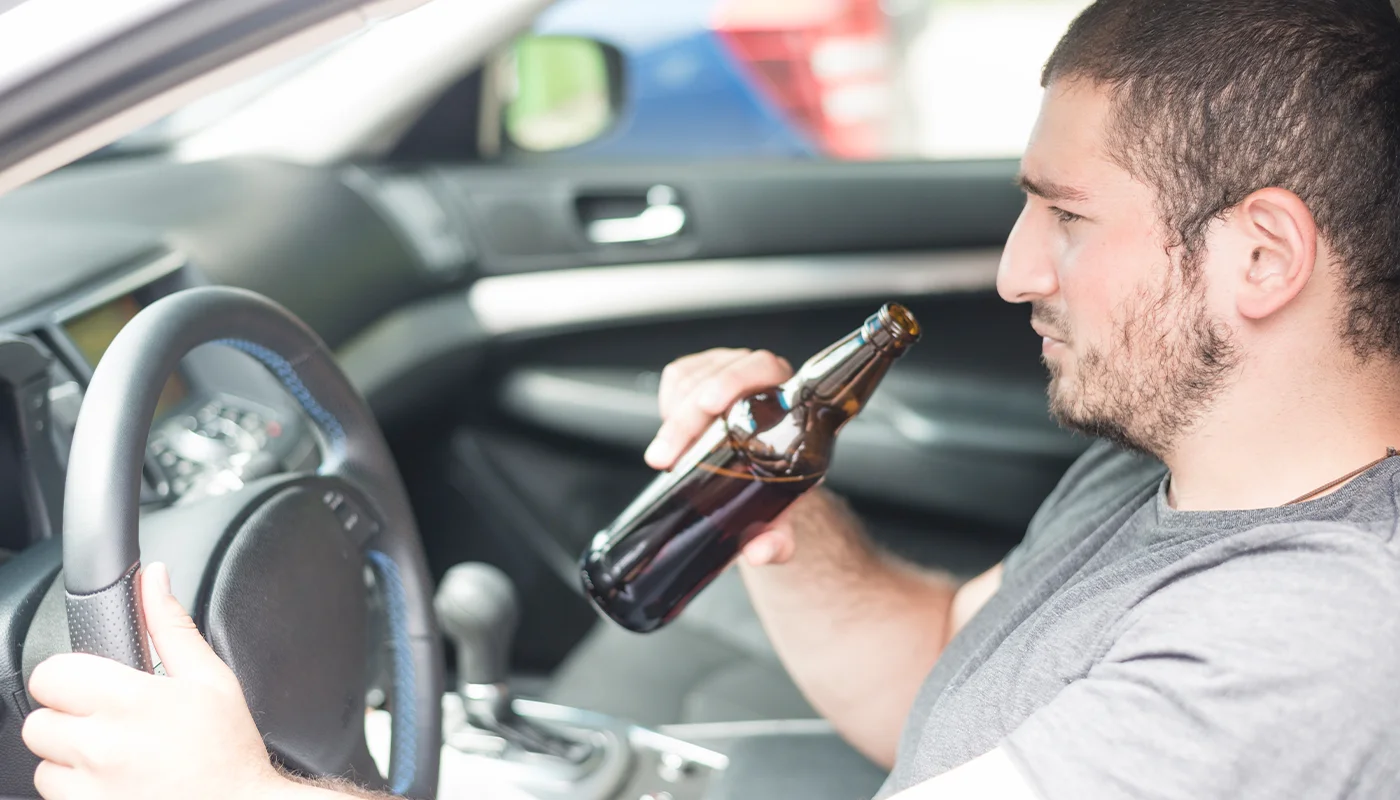
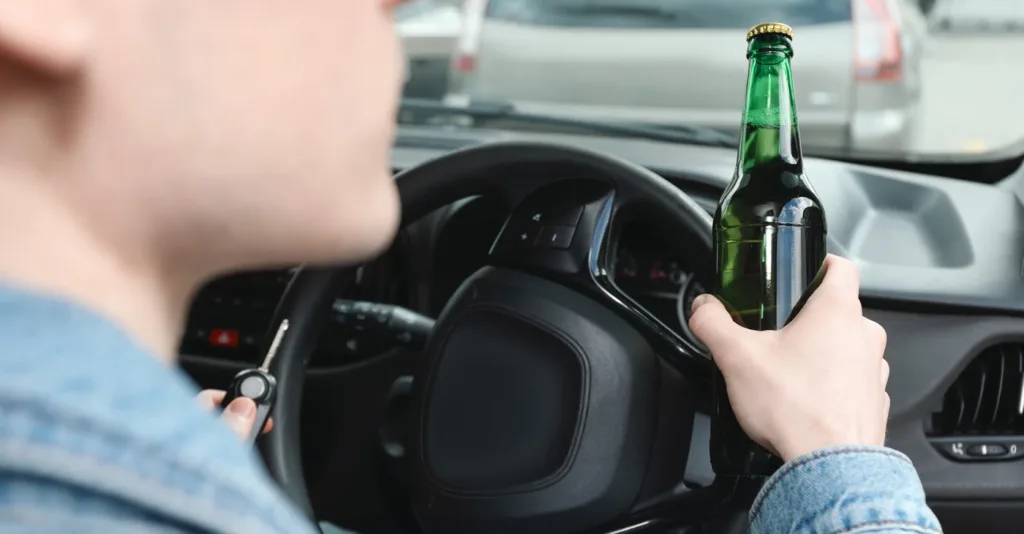
Driving under the Influence (DUI) is a serious offense that can have major consequences for both the driver and other road users. It occurs when someone operates a vehicle while impaired by alcohol, drugs, or a combination of both. Impairment reduces reaction time and decision-making, making driving extremely dangerous.
If you’ve been charged with a DUI, consulting a car accident lawyer Houston can help you understand your legal options. They can guide you through the process, protect your driving record, and minimize the potential consequences. This is especially important for first-time or repeat offenders.
Understanding DUI
At its core, DUI refers to operating a motor vehicle while impaired by substances, most commonly alcohol or drugs. When these substances impair a person’s ability to drive, their reaction times, judgment, focus, and motor skills are all negatively affected.
Impairment due to alcohol or drugs compromises a person’s ability to make quick decisions and respond to emergencies or sudden changes in traffic conditions, putting everyone on the road at risk.
DUI and Alcohol
Driving under the Influence of Alcohol (DUI) is the most common form of DUI. Alcohol is a depressant, and when consumed, it slows down the body’s functions, including reaction time and motor coordination. The legal blood alcohol concentration (BAC) limit for most drivers is 0.08% in many places, meaning that if a driver has a BAC at or above this level, they are considered legally impaired and can be arrested for DUI.
However, even if a driver’s BAC is below the legal limit, alcohol can still affect their driving ability. For example, some drivers may begin to feel impaired even with a BAC as low as 0.02%, which is why consuming any amount of alcohol before driving is always a risk.
DUI and Drugs
Driving under the influence isn’t limited to alcohol. Drugs, both prescription and illegal substances, can also impair driving. Just like alcohol, drugs can slow reaction time, impair judgment, and hinder motor coordination. In some cases, drugs may cause drowsiness or an altered state of mind, making it even more dangerous to operate a vehicle.
Drugs That Commonly Lead to DUI Charges
- Prescription medications (e.g., painkillers, anxiety medications, sedatives, or antidepressants)
- Over-the-counter drugs (e.g., antihistamines, cold medications)
- Illegal drugs (e.g., marijuana, cocaine, heroin, methamphetamine)
Marijuana, even in states where it’s legalized, can still impair one’s ability to drive and lead to a DUI charge.
Some individuals may not realize how impaired they are while using prescription or over-the-counter medications. This is why it’s crucial to be aware of how medications may affect your ability to operate a vehicle.
How Do Alcohol and Drugs Affect Driving?
When a driver consumes alcohol or drugs, their ability to operate a vehicle becomes impaired in several ways:
Alcohol Effects
- Slower reaction times: Alcohol slows down brain function, meaning it takes longer for the driver to react to changes in their environment, like sudden stops or obstacles.
- Impaired judgment: Alcohol affects the brain’s decision-making abilities, causing drivers to take risks, like speeding or failing to follow traffic signals.
- Blurred vision and coordination issues: Alcohol can impair motor coordination, leading to difficulty steering, braking, and using other vehicle controls effectively.
Drug Effects
- Slowed reaction times: Many drugs, whether prescription or illegal, slow down cognitive function, making it harder to respond to changes on the road.
- Drowsiness: Certain medications, such as painkillers or sedatives, can make the driver feel sleepy or fatigued, reducing alertness and focus.
- Altered perception: Some drugs, including marijuana and hallucinogens, can alter a driver’s perception of time, distance, and spatial awareness, making it difficult to judge the speed and distance of other vehicles or obstacles.
Whether it’s alcohol or drugs, both impair a person’s ability to drive safely and increase the risk of accidents. Getting professional guidance early can help you navigate the legal process and protect your record.
Legal Limits for DUI
The legal limit for blood alcohol concentration (BAC) varies depending on the jurisdiction, but the general legal limit for most adult drivers is 0.08%. However, drivers can still face DUI charges if their BAC is below 0.08% if they show signs of impairment.
- Commercial drivers: Typically, a lower limit, often 0.04%
- Drivers under 21: Many states have zero-tolerance laws
Drugs are regulated similarly. Law enforcement may use various methods, such as drug recognition experts (DREs) or blood tests, to determine if a driver is under the influence of drugs.
Penalties for DUI
The consequences of driving under the influence can be severe. In Texas, DUI is referred to as Driving While Intoxicated (DWI) under Texas Penal Code § 49.04, and penalties vary depending on the specifics of the offense:
- Fines: Can range from a few hundred to several thousand dollars, as outlined in Texas Penal Code § 12.21 for misdemeanor fines and enhanced penalties for repeat offenses.
- License suspension: Can range from a few months to years for repeat offenses, regulated under Texas Transportation Code § 521.341.
- Jail time: Serious cases or repeat offenders may face days to years in jail, per Texas Penal Code § 49.09 (repeat offender and enhanced punishment rules).
- Alcohol and drug education programs: Courts may require participation in rehabilitation, counseling, or education programs. Under Texas Alcoholic Beverage Code §106.115 and Texas Transportation Code §521.374.
- Probation: Some offenders may receive probation with strict conditions such as community service or check‑ins. Under Texas Code of Criminal Procedure § 42A.101–42A.151:
If you are facing DUI charges, consulting a DUI lawyer Houston can help you understand your legal options and take the right steps to minimize penalties and protect your driving record.
How to Avoid DUI Charges
The simplest and safest way to avoid DUI charges is to never drive after consuming alcohol or drugs. Tips include:
- Designated driver: If you plan to drink, designate someone to drive or use a ride-sharing service
- Use public transportation: Buses, trains, or taxis are safer alternatives
- Stay overnight: If you’ve been drinking or using drugs, stay at a friend’s house or book a hotel
Get Help for DUI Cases
Driving Under the Influence (DUI) refers to operating a vehicle while impaired by alcohol, drugs, or both. DUI is a serious offense with significant consequences, and it can endanger the driver, passengers, and others on the road. Whether alcohol or drugs are involved, impairment affects reaction times, judgment, and motor skills, making it dangerous to drive.
To stay safe and avoid legal repercussions, always ensure you have a sober driver before getting behind the wheel. If you are unsure whether you’re fit to drive, it’s always better to err on the side of caution and use alternative transportation options. For guidance on navigating DUI charges and protecting your driving record, consulting Lakhani & McGrath can help you understand your options and take the right steps.