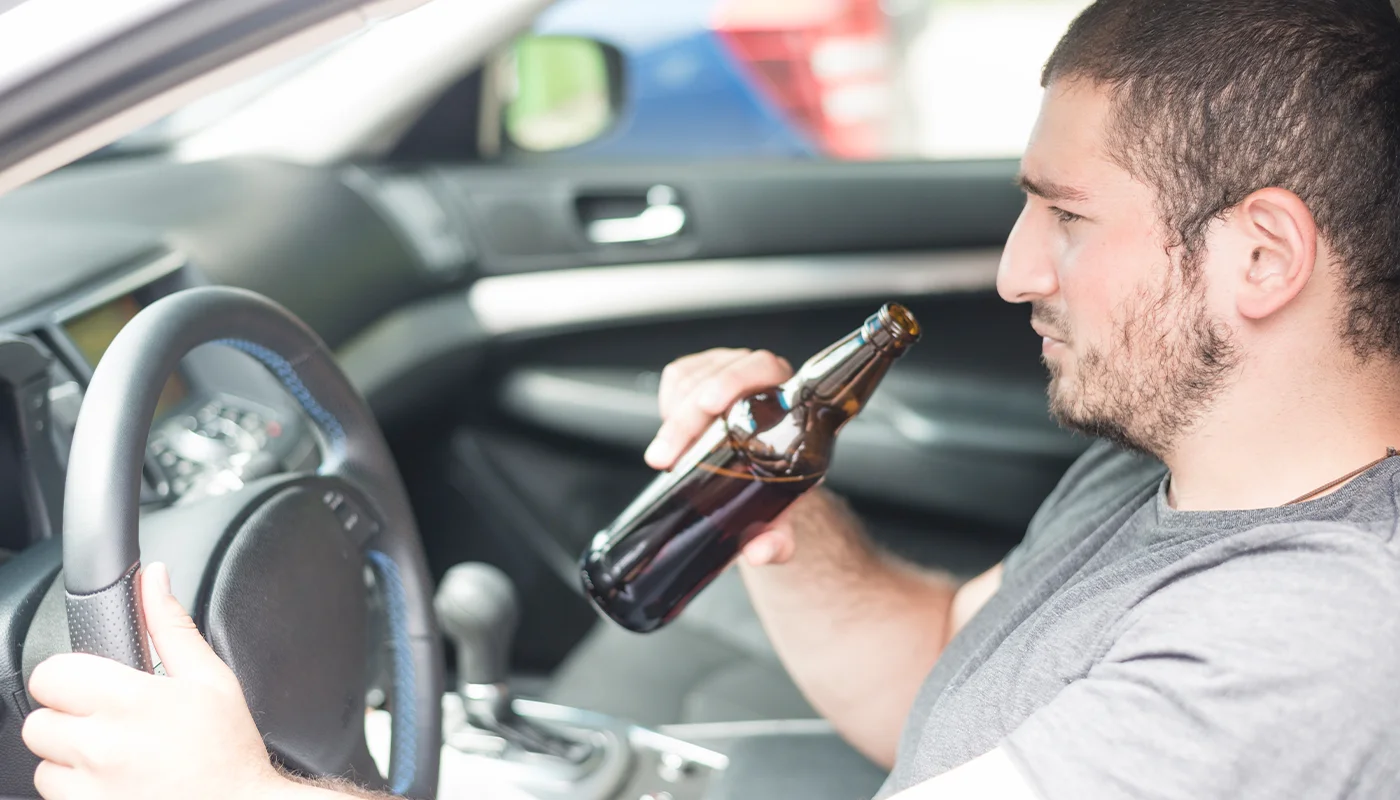
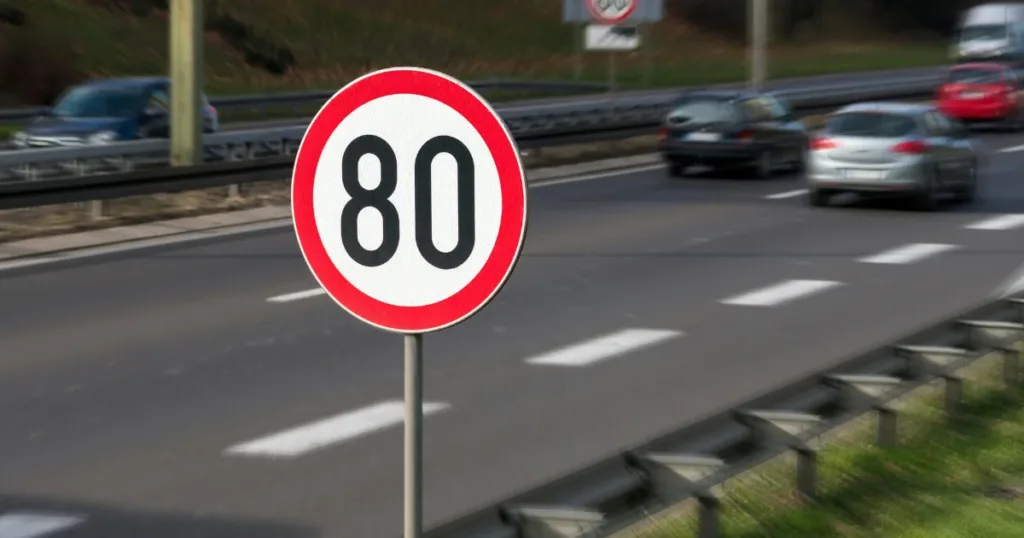
Texas law and TxDOT guidance explain that speed limits are established through statutory limits, traffic and engineering studies, and decisions by authorized entities. On Texas highways, studies can examine prevailing traffic speeds, roadway design, crash history, curves, intersections, development, and other safety factors. In Houston, the responsible authority depends on the roadway because TxDOT regulates the state highway system while local governments can regulate roads within their jurisdiction. Understanding this process can help a driver evaluate a speeding citation or understand how speed may be considered after a Houston crash.
For a driver, the posted limit is only part of the legal analysis. If a speeding-related crash causes injuries, a Houston truck accident lawyer may examine the traffic facts and civil issues. Texas Transportation Code Section 545.351 requires drivers to operate at a reasonable speed, while Section 545.352 establishes prima facie speed limits. If speeding contributes to a collision, it can become relevant to a motor vehicle accident claim. That connection matters in Houston, where highways and traffic conditions can create questions about what happened before and during a crash.
How Are Speed Limits Determined for Speeding Violations?
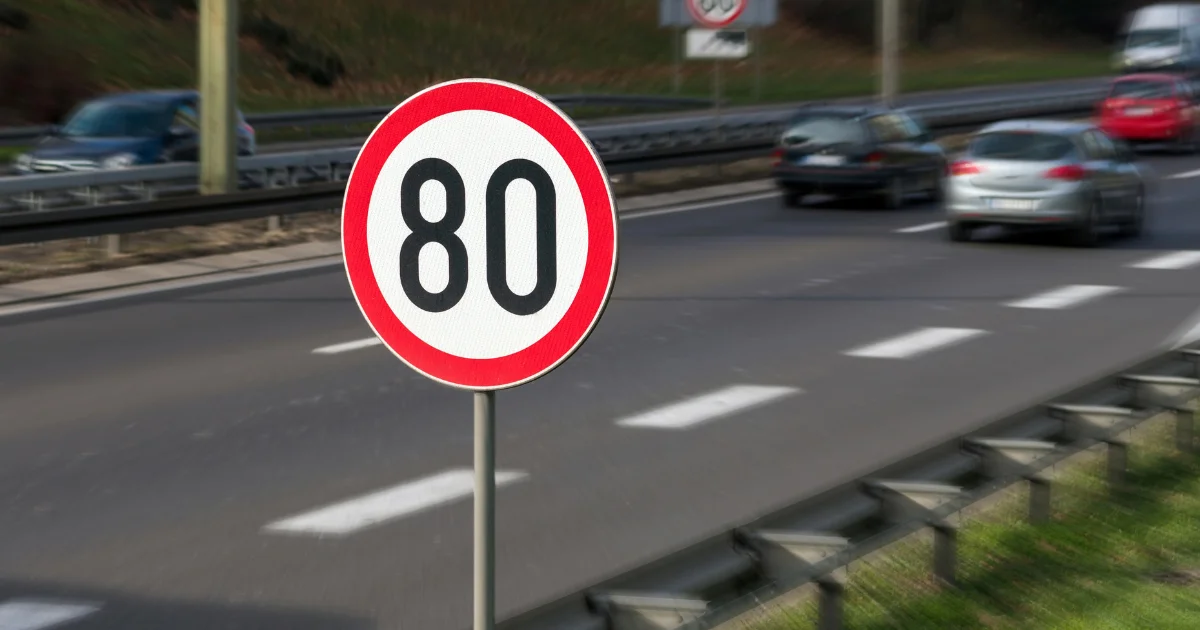
Speed limits are not selected solely by looking at how fast drivers prefer to travel. Texas uses statutory limits and engineering processes designed to account for roadway and surrounding conditions. TxDOT states that speed limits on state highways are generally established at the state maximum unless traffic and engineering studies show a need to alter the limit for safety reasons.
Texas Transportation Code Section 545.352 establishes certain default or “prima facie” speed limits. Prima facie means the speed is legally treated as evidence that it is not reasonable and prudent, subject to the applicable law and facts. Section 545.351 separately requires drivers to control speed as necessary to comply with the reasonable-and-prudent standard. For a Houston driver, the key question is also what speed limit legally applied at that location and under those conditions.
What Factors Are Used to Set a Speed Limit?
Traffic engineering studies evaluate conditions that affect safe operating speeds. TxDOT identifies several factors used in Texas speed-zone studies.
Normal Traffic Speeds
TxDOT uses speed checks to calculate the 85th-percentile speed, meaning the speed at or below which 85 percent of observed free-flowing vehicles travel. Checks are generally made during average weekdays, off-peak periods, and favorable weather to capture normal conditions.
The 85th-percentile speed is important, but it does not automatically determine every limit.
Roadway and Safety Conditions
Engineers may consider curves, hills, pavement width and type, shoulders, sight conditions, cross streets, driveways, school crossings, and nearby development. Crash history can also affect the evaluation.
The surrounding environment matters because residential areas, intersections, driveways, pedestrian activity, and bicycle use can affect traffic decisions. These factors help explain why two roads with similar traffic speeds can have different posted limits.
Who Sets Speed Limits in Houston and Texas?
The responsible authority depends on the road. TxDOT states that it has jurisdiction over setting speed limits on the state highway system. A city may have authority over a state highway within city limits under the applicable statutory framework, while city streets and county roads can be governed by their respective local authorities. Drivers dealing with a crash may also seek information from a truck accident attorney near me when the collision involves a commercial vehicle.
Houston identifies speed limit and speed zone studies as a Public Works records category. Identify the exact roadway and jurisdiction before assuming TxDOT established the limit.
If you question a disputed limit, preserve the location, photographs of signs, and citation information. These details can help establish which limit applied when the alleged violation occurred.
Does the 85th-Percentile Rule Automatically Set the Speed Limit?
No. The 85th-percentile speed is an important engineering measurement, but it does not automatically determine every limit. TxDOT explains that engineers collect free-flowing speed data and normally set a limit near the 85th-percentile speed, ending in 5 or 0. The limit may be lowered when conditions justify it, including narrow pavement, curves and hills, hidden driveways, a high number of driveways, crash history, developed areas, or inadequate shoulders.
The result is a speed limit based on multiple factors rather than a single formula.
Can Weather or Road Conditions Matter Even if the Posted Limit Stays the Same?
Yes. Texas law requires drivers to operate at a speed that is reasonable and prudent under the circumstances. Section 545.351 addresses conditions that may require reduced speed, including intersections, railroad crossings, curves, hill crests, narrow or winding roads, traffic or pedestrian hazards, and weather or highway conditions.
TxDOT likewise advises drivers to adjust speed during rain, fog, heavy traffic, or construction. A posted limit is not permission to drive at that speed regardless of conditions.
Read Related: Texas Speeding Ticket Misdemeanor
What Happens When Speeding Contributes to a Motor Vehicle Accident?
A speeding violation and a civil injury claim are legally distinct. A citation concerns an alleged traffic offense, while a personal injury claim may involve negligence, causation, and damages. If a collision occurs, evidence about speed can become part of the broader factual picture. A motor vehicle accident attorney Houston residents consult may review the roadway, citation, and other evidence when evaluating a civil claim.
Investigators may examine the roadway, vehicle damage, photographs, witness accounts, available electronic data, and traffic conditions. Speed matters to a civil claim when it can be connected to the collision and resulting injuries. For people injured in a Houston crash, speed may be one part of a broader fault analysis. A speeding ticket does not automatically establish every element of a civil claim. Serious injuries or commercial vehicles can create additional liability issues.
What Should You Do After a Speeding-Related Crash?
- Get medical attention when needed. Prompt evaluation can document injuries and identify conditions that are not immediately obvious.
- Report the collision as required. Follow applicable reporting requirements and obtain available documentation.
- Photograph the scene. When safe, capture vehicle damage, roadway conditions, signs, lane markings, debris, and relevant surroundings.
- Preserve records. Keep the ticket, crash report, insurance information, repair records, medical records, and correspondence.
- Identify witnesses. Record contact information when possible.
- Avoid guessing about fault. Provide accurate facts, but do not speculate about speed, causation, or legal responsibility.
- Consider legal guidance when needed. Serious injuries, disputed fault, commercial vehicles, or substantial losses can create issues beyond the citation.
How Can You Check Whether a Speed Limit Was Properly Established?
- Identify the exact roadway and direction. A limit can change between nearby segments.
- Check the posted signs. Note their location, visibility, and any temporary or special-zone signs.
- Determine the jurisdiction. Identify whether the roadway falls within the state highway system or local authority.
- Review Chapter 545. Compare the posted limit with the Texas Transportation Code.
- Look for a speed-zone study. TxDOT or the appropriate local authority may maintain records concerning speed-zone decisions.
- Compare the timing. Determine whether the limit in effect matched the sign and applicable legal order.
- Get case-specific advice when necessary. Serious collisions or significant consequences may require review of the records and facts.
When You May Need Legal Help for Speeding Violations
Understanding how are speed limits determined speeding requires looking beyond the number printed on a sign. Texas uses statutory speed limits and authorized speed zones, with engineering studies that can consider traffic speeds, roadway design, crash history, development, access points, and other safety factors. Sections 545.351 and 545.352 also require drivers to consider the reasonable-and-prudent standard.
For Houston drivers, the analysis depends on the roadway, governing authority, posted signs, conditions, and facts surrounding the alleged violation or collision. If speeding is connected to a serious motor vehicle accident, evidence about speed may affect a civil claim without automatically determining fault. A qualified Texas attorney can help clarify the issues relevant to a specific situation. Lakhani & McGrath can be contacted to discuss whether a consultation or case review is appropriate.