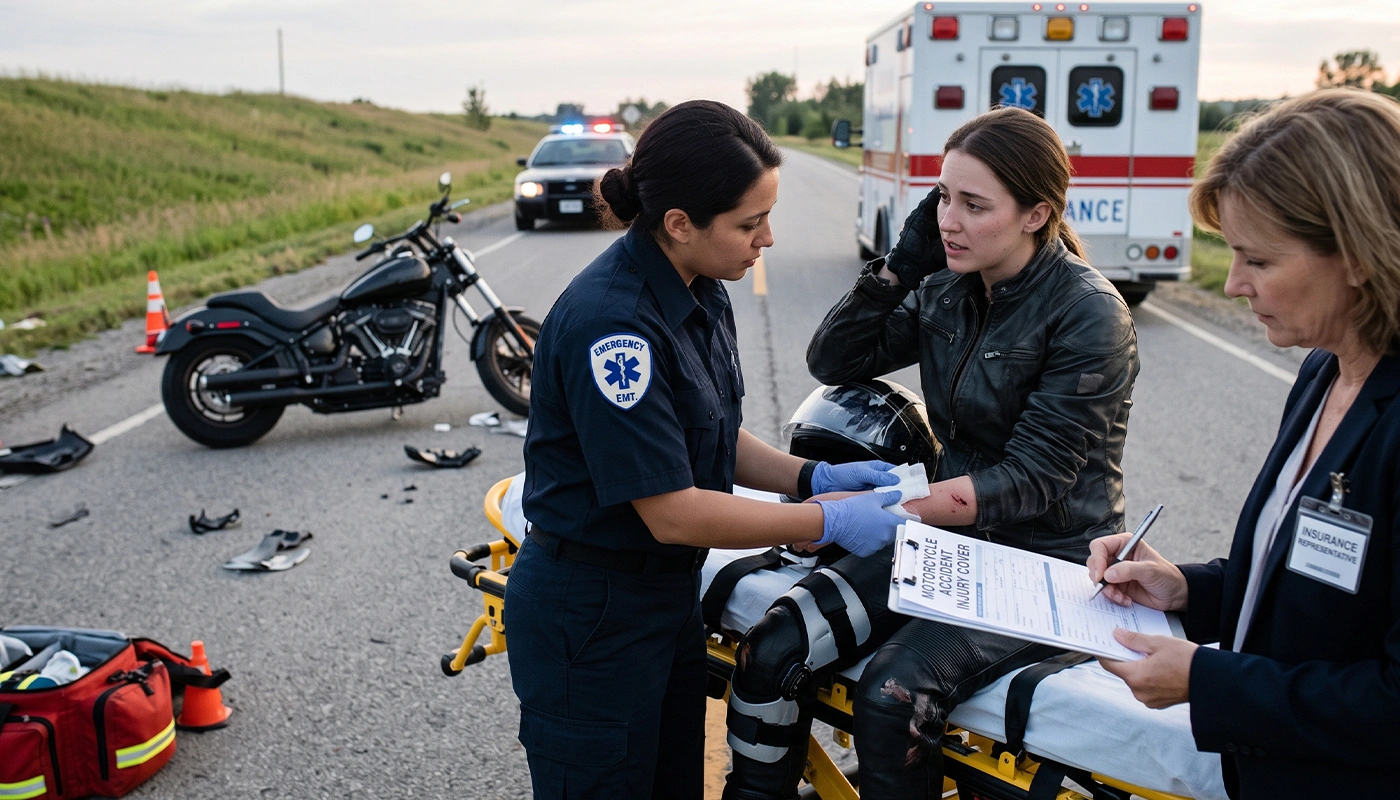

Car accidents can leave lasting effects that go beyond physical injuries. For many people, the psychological impact of a collision can be just as serious, and yes, it is possible to develop Post-Traumatic Stress Disorder (PTSD) after a car accident. PTSD can appear weeks or even months after the crash and can significantly affect daily life, relationships, and recovery.
If you or a loved one is struggling with emotional trauma after a collision, our personal injury lawyers in Houston can help. We understand that the emotional aftermath of a car accident can be overwhelming, and we’re committed to helping victims recover, both psychologically and financially.
How Car Accidents Can Trigger PTSD
PTSD is a psychological condition that can develop after experiencing or witnessing a traumatic event. Car accidents, regardless of their severity, can be deeply traumatic as the brain perceives them as life-threatening. The psychological effects of PTSD can be just as debilitating as physical injuries, disrupting work, social interactions, and daily activities.
Common Symptoms of Car Accident PTSD
PTSD can manifest in emotional, behavioral, and physical ways, with symptoms varying in intensity and duration depending on the individual.
1. Emotional and Cognitive Symptoms:
- Intrusive thoughts or flashbacks of the accident.
- Anxiety or panic, especially when driving.
- Depression or loss of interest in daily activities.
- Guilt or self-blame related to the accident.
2. Behavioral Symptoms:
- Avoiding cars, accident locations, or driving.
- Social withdrawal from family, friends, or colleagues.
- Unhealthy coping mechanisms, such as substance use.
3. Physical Symptoms:
- Sleep disturbances or recurrent nightmares.
- Hypervigilance and increased startle response.
- Fatigue and emotional exhaustion.
What PTSD Looks Like After a Car Accident
Individuals who experience PTSD after a car accident may exhibit a variety of psychological symptoms, such as:
- Intrusive memories: Flashbacks or nightmares about the crash
- Heightened anxiety: Panic attacks, irritability, or avoidance of driving
- Difficulty concentrating: Trouble focusing at work or school
- Hypervigilance: Feeling “on edge” or easily startled
Why Age Differences Matter in PTSD Symptoms
Age plays a significant role in how Post-Traumatic Stress Disorder (PTSD) manifests and impacts an individual’s life. Understanding these age-specific differences is essential for crafting a strong legal case, as it influences the type of treatment required, the severity of the symptoms, and the potential for long-term disruption. Age can also affect the level of compensation sought and the types of expert testimony required to substantiate a claim.
- Children and Teenagers
Symptoms: Nightmares, irritability, school avoidance, and social withdrawal.
Why it Matters: PTSD in minors affects their developmental progress and can disrupt normal childhood experiences. Legal claims for children often require expert testimony from pediatric trauma specialists, along with therapy records like trauma-focused CBT or play therapy, to demonstrate the lasting emotional impact on their growth and well-being. - Young Adults (18–30)
Symptoms: Flashbacks, social anxiety, driving avoidance.
Why it Matters: PTSD in young adults can severely disrupt career and educational pursuits, leading to lost wages and diminished earning potential. Legal claims for this age group often focus on proving how PTSD impedes their ability to thrive in their professional or academic life, with documentation from Cognitive Processing Therapy (CPT) and peer support critical to illustrating the psychological toll. - Middle-Aged Adults (31–60)
Symptoms: Anxiety, depression, sleep issues, hypervigilance.
Why it Matters: PTSD in middle-aged adults often disrupts both personal and professional lives, with significant consequences on relationships and career productivity. This group is more likely to seek compensation for lost wages, medical treatment, and emotional suffering. Establishing the extent to which PTSD affects their daily functioning requires expert testimony from mental health and vocational professionals to substantiate the claim. - Older Adults (60+)
Symptoms: Fatigue, isolation, cognitive decline, fear of driving.
Why it Matters: For older adults, PTSD often exacerbates age-related health challenges, such as cognitive decline and diminished independence. Legal claims for elderly clients may involve proving how PTSD accelerates their decline in functional capacity and increases their need for assistance with daily activities, requiring comprehensive documentation of how PTSD affects their overall well-being.
Coping With PTSD After a Car Accident
Recovery from PTSD is possible with structured interventions, therapy, and ongoing support.
- Cognitive Processing Therapy (CPT)
Helps individuals identify and challenge negative thought patterns related to the accident, such as “This is my fault”, reducing emotional distress over time.
- Prolonged Exposure Therapy (PE)
Gradually confronts memories and triggers in a safe environment to reduce emotional reactions. Group therapy can offer additional support and shared experiences.
- Medication
Antidepressants or anti-anxiety medications can stabilize symptoms, improve sleep, and support therapy.
- Animal Therapy
Service animals or therapy pets can provide emotional support, reduce anxiety, and detect early signs of distress.
Legal Considerations for PTSD After a Car Accident
PTSD from a car accident is recognized as a legitimate injury under Texas law. Compensation may cover therapy, medication, lost wages, and emotional suffering, which qualify as non-economic damages under Chapter 41 of the Texas Civil Practice & Remedies Code. Claims require medical documentation, therapy records, and expert testimony linking the PTSD to the accident, and must generally be filed within two years under §16.003.
- Compensation Eligibility
Victims may be eligible for compensation that covers:
- Therapy and medication costs related to PTSD treatment.
- Lost wages due to missed work or reduced productivity.
- Emotional suffering, recognized as non-economic damages under Texas law.
- Establishing PTSD in a Legal Claim
To successfully claim compensation for PTSD after a car accident, the following documentation is typically required:
- Medical Documentation: Diagnosis from a licensed mental health professional confirming PTSD.
- Therapy Records: Evidence of ongoing treatment and progress.
- Expert Testimony: Psychologists or psychiatrists linking the PTSD directly to the car accident.
How Lakhani & McGrath Can Help
At Lakhani & McGrath, we understand that PTSD from a car accident can leave you feeling overwhelmed, emotionally drained, and uncertain about the future. Our experienced attorneys specialize in car accident cases involving both physical and emotional injuries, including PTSD. We work closely with medical and mental health professionals to ensure your treatment is fully documented, and we fight tirelessly to secure the full compensation you deserve.
You don’t have to face this difficult journey alone. Whether through negotiations or litigation, our team is dedicated to supporting you every step of the way, so you can focus on your recovery while we handle the legal process. Reach out to Lakhani & McGrath today for a free consultation because you deserve justice, healing, and peace of mind.