
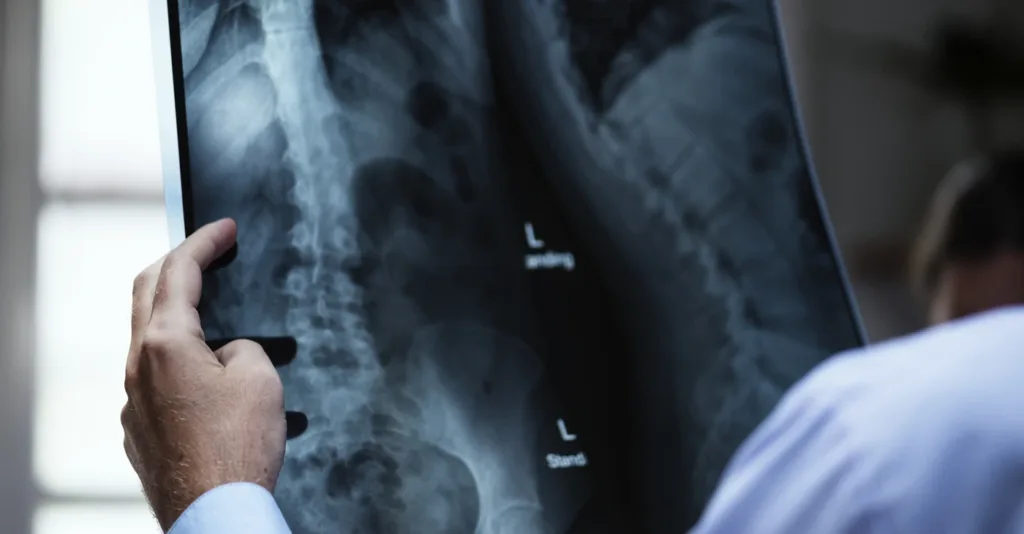
A spinal cord injury (SCI) can change a person’s life in an instant. While paralysis, loss of movement, or loss of sensation are often the most visible effects, the damage goes deeper. SCIs also disrupt the brain’s communication with the body, leading to changes in motor, sensory, and cognitive functions. Understanding how a spinal cord injury affects the brain is critical for victims pursuing compensation for someone else’s negligence.
Our personal injury lawyer in Houston helps clients navigate these complex cases, ensuring all impacts, both visible and subtle, are included in a claim.
How a Spinal Cord Injury Affects Brain Function
The spinal cord serves as the main communication highway between the brain and body. When it is injured, signals can be blocked or distorted, affecting movement, sensation, and autonomic functions. The brain must adapt to these changes, which can also influence cognitive abilities and emotional regulation, highlighting the long-term impact of the injury.
SCIs can lead to a variety of effects on both body and brain function, including loss of voluntary movement in affected areas, altered or lost sensation such as touch, temperature, or pain, disruption of bladder, bowel, and respiratory control, and changes in heart rate and blood pressure regulation. These disruptions underscore the complex and far-reaching consequences of spinal cord injuries beyond physical mobility.
Cognitive and Emotional Impacts
Even when the brain itself is not directly injured, SCI can produce significant cognitive and emotional challenges. Victims may experience memory deficits, difficulty concentrating, impaired problem‑solving, and changes in mood or behavior. These effects often reduce the ability to work, live independently, and manage daily tasks, which is particularly relevant in personal injury claims. Cognitive and emotional effects include:
- Memory problems and reduced focus.
- Difficulty with planning and decision‑making.
- Anxiety, depression, or emotional instability.
- Increased frustration or irritability due to physical limitations
Legal Implications and Support for Spinal Cord Injuries
Spinal cord injuries (SCIs) can have significant legal consequences, particularly when the injury results from someone else’s negligence. Under Texas law, victims have the right to pursue compensation for medical costs, rehabilitation, lost income, and non-economic damages such as pain, suffering, and diminished quality of life. The statute of limitations for filing most personal injury claims in Texas is two years from the date of injury, as outlined in Texas Civil Practice & Remedies Code §16.003. Additionally, non-economic damages, including cognitive or emotional impairments caused by an SCI, are governed by Chapter 41 of the Texas Civil Practice & Remedies Code.
Victims often require professional legal support to navigate these complex claims. Experienced personal injury lawyers help by investigating the cause of the injury, gathering medical and expert evidence, and negotiating or litigating on behalf of the client. Effective legal support ensures that all aspects of the injury, including physical, cognitive, and emotional impacts, are documented and included in compensation claims.
Potential Compensation for Spinal Cord Injuries
Victims of spinal cord injuries (SCIs) may be entitled to financial compensation for the wide-ranging impacts of their injury. This includes covering medical treatment, long-term care, lost income, and non-economic damages such as pain and emotional distress. Proper compensation ensures victims can access necessary care, maintain independence, and address the lasting physical, cognitive, and emotional consequences of their injury.
Under Texas law, damage awards, including non-economic damages such as pain and suffering, are governed by Texas Civil Practice & Remedies Code Chapter 41. Proper documentation of the brain and cognitive effects of SCI strengthens personal injury claims and ensures victims receive the full compensation they deserve.
1. Medical Care
Victims of spinal cord injuries often require extensive medical treatment, including surgeries, ongoing therapies, and adaptive devices such as braces or wheelchairs. Covering these costs ensures that individuals receive the care necessary to manage the physical impacts of their injury and maintain quality of life.
2. Long-Term Care
High-level SCIs may result in the need for long-term care, including home modifications, specialized rehabilitation programs, and assistive technology. Compensation for long-term care helps support independence and ensures the home environment is safe and accessible for daily living.
3. Lost Income and Diminished Earning Capacity
A spinal cord injury can significantly impact a person’s ability to work, both immediately and in the long term. Compensation for lost income and diminished earning capacity accounts for wages lost due to recovery time as well as future earning potential affected by permanent disability.
4. Pain, Suffering, and Emotional Distress
Beyond physical injuries, SCIs can cause emotional and psychological challenges such as anxiety, depression, and reduced quality of life. Compensation for pain, suffering, and emotional distress recognizes these non-economic impacts and helps provide support for coping with long-term emotional and cognitive consequences.
Recovery and Long‑Term Considerations
Recovery from a spinal cord injury varies and can take months or years. Rehabilitation, including physical, occupational, and sometimes cognitive therapy, helps maximize independence and improve quality of life. Long-term considerations may involve:
- Chronic pain and nerve damage: Many SCI patients experience ongoing pain or neuropathy, which can require medication, therapy, or other interventions to manage daily comfort.
- Loss of bladder and bowel control: High-level injuries often affect autonomic functions, requiring careful monitoring, catheterization, or bowel management programs to maintain health and hygiene.
- Respiratory difficulties for high-level injuries: Injuries to the neck or upper spine can impair breathing and lung function, sometimes necessitating ventilator support or respiratory therapy.
- Muscle tone changes, spasticity, or flaccidity: SCI can cause abnormal muscle tone, leading to stiffness, involuntary spasms, or weakness, which impacts mobility and requires specialized physical therapy.
- Use of mobility aids or home modifications: Many individuals need wheelchairs, walkers, or home adaptations such as ramps and grab bars to maintain independence and safety in daily activities.
Get Lakhani & McGrath Legal Help for Spinal Cord Injuries
At Lakhani & McGrath, PLLC, we provide expert guidance in personal injury and spinal cord injury cases. Our team works with medical, vocational, and life-care specialists to document all aspects of your injury, including physical, cognitive, and emotional impacts, and fight for full compensation.
We offer personalized legal strategies, detailed evaluations of injury impacts, and support at every step of the claims process. With Lakhani & McGrath, you have experienced Houston attorneys who understand the profound effects of spinal cord injuries and ensure your claim reflects the full scope of your losses.