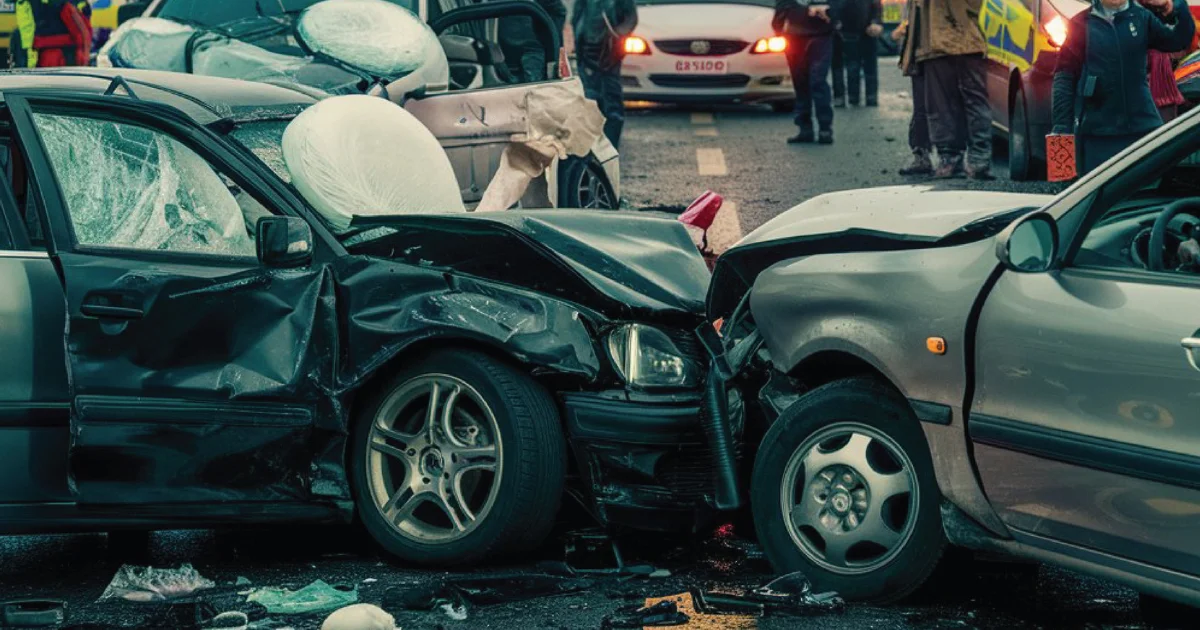
In the United States, tens of thousands of people die in traffic crashes each year. Final federal mortality data show 41,241 motor vehicle traffic deaths in 2024, while NHTSA’s crash-based estimate for the same year was 39,345. The figures differ because the agencies use different data systems and definitions. In Texas, the Department of Transportation reported 4,150 motor vehicle traffic fatalities in 2024. These numbers show the scale of the problem, but each fatal crash also raises questions about evidence, responsibility, insurance, and legal rights.
For people in Houston and throughout Texas, a fatal or serious collision can create medical, financial, and emotional consequences at the same time. A Houston personal injury lawyer may help an injured person or family understand available claims, preserve evidence, and identify potentially responsible parties. The legal analysis is separate from national statistics and depends on the facts of the crash, applicable Texas law, insurance coverage, and available evidence.
How Many People Die in Traffic Accidents Each Year in the U.S.?
In 2024, the CDC’s final mortality data recorded 41,241 deaths from motor vehicle traffic injuries in the United States. NHTSA separately estimated 39,345 traffic fatalities based on its crash-reporting system. The difference does not mean one figure is necessarily wrong; the agencies collect and classify information differently. For year-to-year comparisons, readers should use the same agency and methodology rather than combining figures from different datasets.
NHTSA’s 2024 estimate was about 3.8% lower than the 40,901 traffic fatalities it reported for 2023. NHTSA has also projected 36,640 traffic fatalities for 2025, but that figure is an estimate rather than final annual mortality data. Statistics can show national trends, yet they cannot predict the outcome of an individual injury or wrongful-death claim.
How Many People Die in Traffic Accidents Each Year in Texas?
Texas recorded 4,150 motor vehicle traffic fatalities in 2024, according to TxDOT’s Texas Motor Vehicle Traffic Crash Facts. The same report states that 14,905 serious-injury crashes occurred that year and 18,218 people sustained serious injuries. Rural crashes accounted for 2,080 fatalities, or 50.12% of the state’s traffic deaths.
For Houston-area residents, statewide data provide context but do not replace a crash investigation. A collision on a Houston freeway, city street, intersection, frontage road, or surrounding county roadway may involve different road conditions, witnesses, surveillance footage, vehicle evidence, and investigating agencies. Location and circumstances can affect what evidence is available and which legal rules apply. A personal injury lawyer Houston can also help explain how evidence from a local crash may affect a potential claim.
What Causes Fatal Traffic Accidents?
Fatal traffic crashes can involve speeding, impaired driving, distraction, unsafe lane changes, failure to yield, dangerous intersections, roadway conditions, vehicle defects, or combinations of these factors. A statistic showing that a particular factor is associated with fatalities does not by itself prove that factor caused a specific crash.
Texas Transportation Code Section 545.351 requires an operator to control speed as necessary to avoid a collision and to drive at a reasonable and prudent speed under the circumstances. It also requires an appropriate reduced speed when special hazards involve traffic, weather, or highway conditions. These rules may matter when investigators examine whether speed contributed.
Read Related: Fatal Accident Investigation
What Legal Issues Can Follow a Fatal Traffic Accident?
A fatal crash may lead to criminal investigation, insurance claims, civil litigation, or more than one of these processes. They are separate. A traffic citation does not automatically establish every element of a civil claim, and a civil case does not determine criminal guilt.
In a Texas personal injury or wrongful-death matter, evidence may include police or crash reports, photographs, vehicle data, medical records, witness statements, surveillance video, roadway evidence, and expert analysis. The investigation may examine whether another driver, an employer, a vehicle manufacturer, or another party contributed.
Texas uses proportionate responsibility in covered tort actions. Under Texas Civil Practice and Remedies Code Section 33.001, a claimant whose percentage of responsibility is greater than 50% may not recover damages in an action governed by that chapter.
When Should You Speak With a Personal Injury Lawyer After a Fatal Crash?
Speaking with a qualified Texas attorney may be appropriate when injuries are serious, a person has died, fault is disputed, multiple parties may be responsible, insurance coverage is complicated, or important evidence may be difficult to obtain or preserve. A personal injury lawyer near me can help a family understand what evidence may be important before records or video become harder to obtain.
Timing can matter. Texas Civil Practice and Remedies Code Section 16.003 generally provides a two-year limitations period for personal injury claims and for an action for injury resulting in death, subject to statutory exceptions. A limitation period is a legal deadline for bringing a lawsuit, and missing an applicable deadline can affect the right to pursue a claim. Government defendants and other special circumstances can involve different requirements, so a person should not assume the general period applies to every case.
What Should You Do After a Serious or Fatal Traffic Accident?
If you or a family member is involved in a serious collision, practical steps can help protect health, safety, and evidence:
- Seek emergency medical care. Call 911 when there are injuries or immediate danger. Follow medical instructions and keep treatment records.
- Report the crash. In Houston, the police department states that its online report system cannot be used for crashes or hit-and-run incidents. Emergencies and situations involving injuries should be reported through the appropriate emergency or police response.
- Preserve available evidence. Keep photographs, videos, vehicle information, medical records, bills, insurance correspondence, and witness contact information.
- Avoid unnecessary statements about fault. Provide accurate information to responding officers and insurers, but do not guess about facts you do not know.
- Identify potential evidence quickly. Traffic-camera footage, business surveillance, vehicle data, photographs, and witness recollections may not remain available indefinitely.
- Consider legal guidance. If a serious injury or death occurred, an attorney can review the facts, potential claims, applicable deadlines, and evidence before you decide whether to pursue a civil case.
Houston Police Department records guidance explains how crash reports can be requested and notes that accident reports prepared by Houston officers are filed with TxDOT. Keeping the report and related records together can simplify later review.
How Do Traffic Fatality Statistics Relate to a Personal Injury Claim?
Traffic fatality statistics provide context, not proof of liability. A national or Texas death count cannot establish that a particular driver was negligent, that a roadway was defective, or that a specific party caused an injury. Those questions require evidence tied to the actual incident.
For an individual claim, the focus may include duty, breach, causation, damages, insurance, and the conduct of other potentially responsible parties. In a fatal crash, the legal rights of surviving family members can depend on the type of claim, their relationship to the deceased, and the evidence. Because these issues are fact-specific, statistics are not a substitute for case-specific legal analysis.
Lost a Loved One in a Crash? Know Your Rights
The answer is that the United States records tens of thousands of traffic deaths annually. Final CDC data show 41,241 motor vehicle traffic deaths in 2024, while NHTSA’s crash-based estimate for that year was 39,345. Texas recorded 4,150 motor vehicle traffic fatalities in 2024. These figures show the scale of fatal roadway crashes, but they do not determine fault or compensation in an individual case.
For Houston families dealing with a serious injury or traffic death, the next steps may involve preserving evidence, identifying insurance coverage, understanding potential claims, and checking applicable deadlines. A case review can clarify which facts and legal rules matter. Contact Lakhani & McGrath to discuss the circumstances and whether a consultation is appropriate.