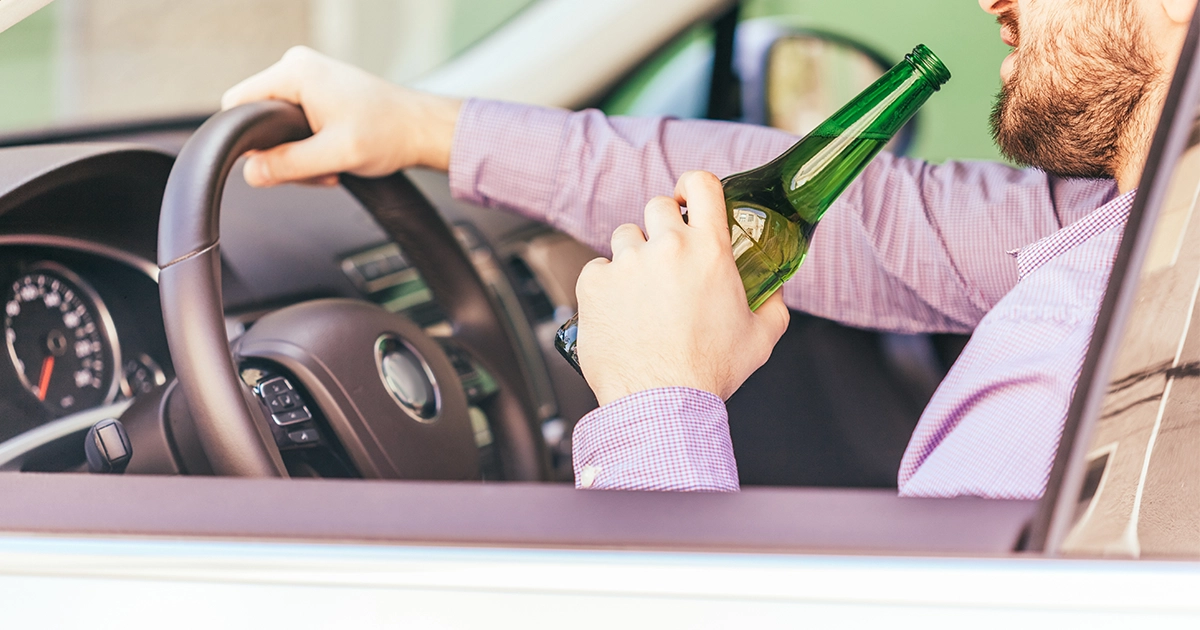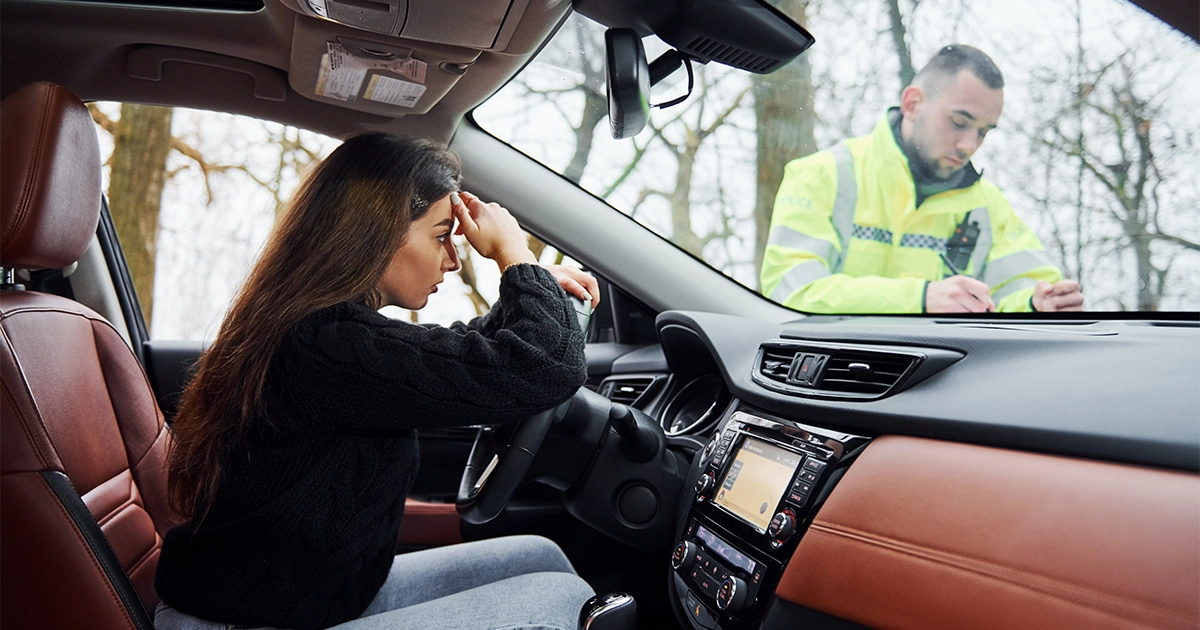
Impaired driving is a dangerous act that puts not only the driver but also passengers, pedestrians, and other road users at significant risk. It refers to operating a motor vehicle while under the influence of alcohol, drugs, or any other substances that impair one’s ability to drive safely. The act of driving while impaired is considered a criminal offense in most places because of the significant dangers it poses to public safety. If you or a loved one is facing charges, consulting a car accident attorney Houston can help you understand your legal rights and navigate the complexities of the criminal justice system.
What Is Impaired Driving?
Impaired driving refers to operating a motor vehicle while impaired by alcohol, drugs, or a combination of both. When a driver is impaired, their ability to perform crucial tasks, such as reacting to hazards, making decisions, and controlling the vehicle, is significantly compromised. Impairment Can Occur Due To:
- Alcohol: The most common substance that causes impaired driving. It affects motor skills, judgment, and reaction time.
- Drugs: Both prescription drugs (like painkillers or sedatives) and illegal drugs (like marijuana, cocaine, or heroin) can impair driving abilities. Even over-the-counter medications can have side effects that make it unsafe to drive.
- Other Substances: This includes any substance that can impair the driver’s ability to drive, including certain over-the-counter drugs like antihistamines.
Impaired driving is a broad term and can refer to several specific offenses, including Driving Under the Influence (DUI) or Driving While Intoxicated (DWI). Both terms are often used interchangeably, but can have different definitions depending on the state or country.
Why Is Impaired Driving a Criminal Offense?
Impaired driving is treated as a criminal offense because it poses a serious threat to the safety of the driver, passengers, and the general public. When someone operates a vehicle while impaired, their reaction times are slower, their decision-making abilities are compromised, and their coordination is diminished. These impairments increase the likelihood of accidents, injuries, and fatalities. Impaired Drivers May:
- Make poor judgments: Alcohol or drugs can impair a driver’s ability to make quick and effective decisions, such as judging distances, stopping distances, or assessing the behavior of other drivers.
- React too slowly: Impaired drivers may take longer to respond to road hazards, such as a sudden stop or a pedestrian crossing.
- Exhibit poor motor coordination: Alcohol and drugs can affect motor coordination, making it difficult to steer, brake, or accelerate effectively.
Because of these risks, laws are in place to prevent impaired driving. Legislators treat impaired driving as a criminal offense to hold individuals accountable for the harm they could cause. Driving under the influence of alcohol or drugs is seen not just as a traffic violation but as a criminal act because of its potential to harm others.
Types of Impaired Driving Offenses
While the term impaired driving generally refers to any situation in which a driver is under the influence of a substance, there are specific offenses typically associated with impaired driving:
Driving Under the Influence (DUI)
This offense usually refers to driving while intoxicated by alcohol. In most states and countries, the legal limit for Blood Alcohol Concentration (BAC) is 0.08%. If a driver’s BAC is 0.08% or higher, they are considered legally impaired and can be arrested for DUI. Even at lower BAC levels, alcohol can still impair judgment, and drivers may still be at risk of accidents.
Driving While Intoxicated (DWI)
This term is often used interchangeably with DUI, but is typically used in some states to refer to intoxication by alcohol or drugs. In many areas, DWI laws focus on impairment caused by drugs rather than just alcohol. This includes both illegal drugs (e.g., marijuana, cocaine) and prescription medications that impair driving.
If you have been charged with a DWI in Houston, consulting a skilled Houston DWI lawyer can help protect your rights and navigate the legal process.
Drugged Driving
Drugged driving refers specifically to driving under the influence of drugs. Both prescription and illegal drugs can impair a person’s ability to operate a vehicle safely. Even over-the-counter medications can cause drowsiness or other side effects that make driving dangerous.
Examples:
- Prescription drugs: Painkillers, sedatives, and other medications can cause drowsiness or affect concentration.
- Illegal drugs: Substances such as marijuana, cocaine, methamphetamine, or heroin can impair driving by altering a person’s perception, coordination, or alertness.
Zero Tolerance Laws
Some jurisdictions, especially for underage drivers, impose zero-tolerance laws. This means that any detectable amount of alcohol or drugs in a driver’s system could result in DUI or DWI charges. In many places, underage drivers (usually under 21) are prohibited from having any measurable alcohol in their blood while driving, even if their BAC is under 0.08%.
In Texas, zero-tolerance laws for drivers under 21 are strictly enforced under the Texas Alcoholic Beverage Code and the Texas Transportation Code. An underage driver with a blood alcohol concentration (BAC) of 0.01% or higher can face penalties, including license suspension, fines, and mandatory alcohol education programs. Additionally, Texas law imposes strict consequences for possession of alcohol by minors, making any detectable amount while operating a vehicle a serious offense.
Penalties for Impaired Driving
In Texas, impaired driving is a serious offense under Texas Penal Code Chapter 49. Penalties depend on the type of offense, prior convictions, and aggravating factors like accidents or minors in the vehicle.
Common Penalties
- Fines:
- Class C misdemeanor (e.g., public intoxication, open container, Secs. 49.02 & 49.031), up to $500 (Texas Penal Code §12.23)
- Class B misdemeanor (most first-time DWI, Sec. 49.04(b)), up to $2,000 (Texas Penal Code §12.22)
- Class A misdemeanor (repeat or enhanced DWI, Sec. 49.09(a)), up to $4,000 (Texas Penal Code §12.21)
- State jail felony (DWI with child passenger or in school zone, Secs. 49.04(e) & 49.045), up to $10,000 (Texas Penal Code §12.35)
- Felonies of higher degrees (Intoxication Assault or Manslaughter, Secs. 49.07 & 49.08), fines vary by felony degree (Texas Penal Code §§12.33–12.34)
- Class C misdemeanor (e.g., public intoxication, open container, Secs. 49.02 & 49.031), up to $500 (Texas Penal Code §12.23)
- License Suspension/Revocation: The Texas Department of Public Safety can suspend or revoke your license under Texas Transportation Code §521.341, depending on the offense and prior history.
- Jail Time: Sentences range from a few days for first-time misdemeanors to several years for felony offenses, as outlined in Chapter 49.
- Probation: Courts may impose probation under the Texas Code of Criminal Procedure § 42A.101–42A.151, including alcohol/drug education programs, community service, or random testing.
- Ignition Interlock Devices: Repeat offenders may be required to install a device that prevents starting the vehicle if alcohol is detected (Texas Transportation Code §521.246).
How to Avoid Impaired Driving Charges
To avoid criminal charges for impaired driving, it’s important to never drive under the influence of alcohol or drugs. Ways to stay safe include:
- Designated driver: Always have a designated driver if you plan to drink or use substances that impair driving.
- Use ride-sharing services: Services like Uber and Lyft are convenient alternatives.
- Public transportation: Take buses or trains when available.
- Stay overnight: If you’ve consumed alcohol or drugs, stay at a friend’s house or a hotel.
Keeping Yourself and Others Safe
Impaired driving endangers the driver and everyone on the road, as alcohol or drugs impair judgment, reaction time, and coordination. Texas penalties include fines, license suspension, and jail time. Staying aware and responsible helps protect yourself and others.
If you are facing DWI or DUI charges, a lawyer can help you seek justice and compensation. If you are a victim of impaired driving, the experienced attorneys at Lakhani & McGrath in Houston can protect your rights, review evidence, and explore defenses under Texas law. Skilled legal counsel safeguards your rights whether you are a victim or an accused driver.