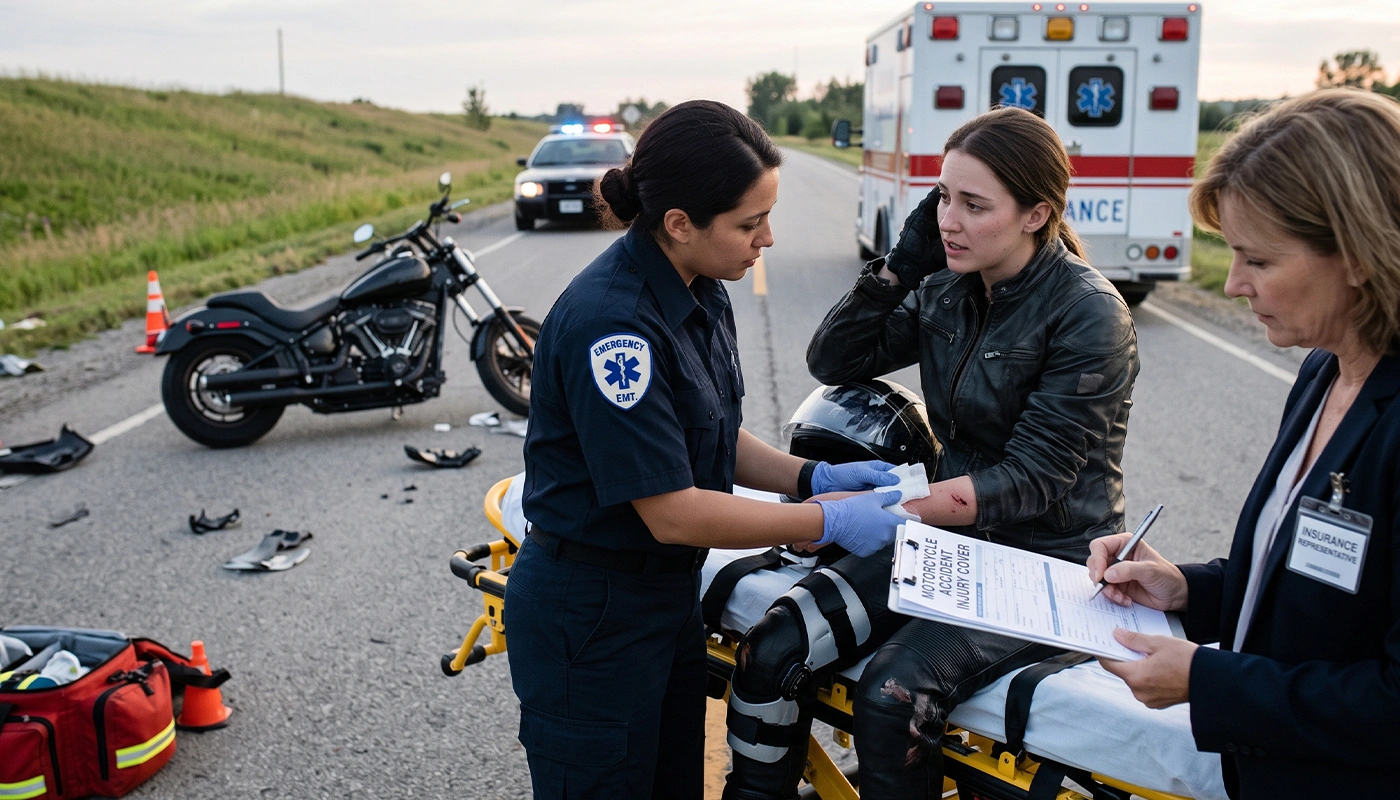

Filing a truck accident claim is often more complicated than a typical car accident claim. Commercial truck crashes can involve severe injuries, multiple liable parties, and extensive investigations. Taking the right steps early can help protect your rights and strengthen your claim.
In Texas, a successful truck accident claim requires proving another party’s negligence caused the collision. A Houston truck accident lawyer can help preserve evidence, identify all responsible parties, and pursue fair compensation. Understanding the legal process can improve your chances of recovering the compensation you deserve.
What Is a Truck Accident Claim?
A truck accident claim is a legal request for compensation after a collision involving a commercial truck or other large commercial vehicle. Unlike many car accident cases, these claims often involve multiple insurance companies and complex liability issues. Responsibility may extend beyond the truck driver to include the trucking company, maintenance providers, cargo loaders, or manufacturers. Injured victims may recover compensation for medical expenses, lost wages, property damage, and pain and suffering. The outcome of a claim depends on proving liability and the extent of the damages suffered.
What Should You Do Immediately After a Truck Accident?
The actions you take immediately after a truck accident can affect both your health and your ability to recover compensation. Acting quickly also helps preserve valuable evidence that may otherwise disappear.
Seek Medical Attention
Your health should always be the highest priority. Even if injuries appear minor, some conditions such as internal bleeding, traumatic brain injuries, or spinal injuries may not produce immediate symptoms. Prompt medical treatment also creates documentation connecting your injuries to the accident.
Contact Law Enforcement
Report the accident to local law enforcement as soon as possible. Responding officers will investigate the crash, interview those involved, document roadway conditions, and prepare an official accident report. This report often becomes one of the most important pieces of evidence during the claims process. A Houston motor vehicle accident attorney can use this report to help support your claim.
Gather Evidence at the Scene
If your injuries allow, collect as much information as possible before leaving the accident scene. Important evidence may include:
- Photographs of vehicle damage: Vehicle Damage, Skid Marks, Debris, Road Conditions, and Traffic Signs; these images preserve important details from the accident scene and may help establish how the collision occurred.
- Contact Information for All Drivers Involved: Collect names, phone numbers, driver’s license details, and insurance information to support the claims process and identify responsible parties.
- Witness Names and Phone Numbers: Independent witnesses can provide unbiased statements that help clarify disputed facts and strengthen your truck accident claim.
- The Truck’s License Plate Number: The Truck’s License Plate Number, USDOT Number, and Company Name Displayed on the Vehicle; these details help identify the commercial carrier and other potentially liable parties involved in the accident.
- Weather and Roadway Conditions: Document weather, lighting, and road conditions, as they may help explain factors that contributed to the collision.
Early documentation can preserve evidence before vehicles are moved or road conditions change.
Exchange Information
Obtain insurance and contact information from the truck driver. You should also record the trucking company’s name, the driver’s commercial driver’s license information if available, and the employer listed on the truck.
Because commercial trucking operations often involve multiple businesses, gathering this information early can simplify the investigation later.
Avoid Discussing Fault
Avoid apologizing or making statements about who caused the accident. Insurance companies may attempt to use casual comments against you during the claims process.
Instead, provide factual information to law enforcement and allow the investigation to determine liability based on the available evidence.
Consult a Truck Accident Lawyer
Truck accident cases often involve complex investigations, multiple liable parties, and aggressive insurance companies. Consulting our truck accident attorney near me early can help preserve important evidence, identify everyone responsible for the crash, and protect your legal rights. An attorney can also handle negotiations with insurers and accurately assess the full value of your damages. Early legal guidance can strengthen your claim and improve your chances of recovering fair compensation.
How Do You File a Truck Accident Claim?
Filing a truck accident claim involves several important steps, from notifying the insurance company to resolving the case through settlement or litigation. While every case is different, following the proper process can help protect your legal rights, strengthen your claim, and improve your chances of recovering fair compensation.
Report the Accident to the Insurance Company
Notify the appropriate insurance company as soon as possible after the accident. Provide accurate information about when and where the collision occurred, but avoid giving recorded statements or accepting a settlement offer before understanding the full extent of your injuries. Reporting the accident promptly allows the claims process to begin and helps prevent unnecessary delays.
Investigate the Accident
A thorough investigation is necessary to determine how the accident occurred and who may be legally responsible. This process may include reviewing police reports, medical records, photographs, witness statements, truck driver logs, Electronic Logging Device (ELD) data, black box information, and maintenance records. A complete investigation helps build a stronger claim supported by reliable evidence.
Identify All Liable Parties
Determine every individual or business that may have contributed to the accident. Depending on the circumstances, liable parties may include the truck driver, trucking company, cargo loading company, maintenance provider, or vehicle manufacturer. Identifying all responsible parties helps ensure your claim is filed against the appropriate individuals or entities.
Calculate Your Damages
Before submitting a claim, calculate the full extent of your accident-related losses. Damages may include medical expenses, future treatment costs, lost wages, reduced earning capacity, property damage, and pain and suffering. Accurately valuing your claim helps ensure you seek compensation that reflects both your current and future losses.
Submit the Claim
Once liability and damages have been evaluated, prepare and submit a demand package to the responsible insurance company. The claim should include evidence of fault, medical records, repair estimates, proof of lost income, and documentation supporting the compensation requested. Providing complete documentation can help move the claims process forward more efficiently.
Negotiate a Settlement
After reviewing your claim, the insurance company may accept, deny, or negotiate the amount requested. Settlement negotiations usually involve discussing liability, reviewing the available evidence, and evaluating the damages claimed. Reaching a fair settlement can resolve the claim without the need for lengthy court proceedings.
File a Lawsuit if Necessary
If a fair settlement cannot be reached, filing a lawsuit may be the next step in the claims process. Litigation allows both parties to exchange evidence, question witnesses, and present their arguments before a judge or jury if necessary. A Houston personal injury attorney can guide you through the litigation process and protect your rights. Although many cases settle before trial, filing a lawsuit may be necessary to pursue the compensation you deserve.
Who Can Be Held Liable in a Truck Accident Claim?
Unlike many passenger vehicle accidents, truck accident claims often involve multiple parties. Determining liability requires investigating every individual or business that may have contributed to the collision. Potentially liable parties include:
- Truck Driver: Drivers may be responsible if they were speeding, distracted, fatigued, impaired, or violated traffic laws. Negligent driving remains one of the leading causes of commercial truck accidents.
- Trucking Company: A trucking company may be liable if it hired an unqualified driver, failed to provide proper training, encouraged violations of federal safety regulations, or neglected routine vehicle maintenance.
- Cargo Loading Company: Improperly loaded or unsecured cargo can shift during transport, causing the driver to lose control of the truck. Companies responsible for loading freight may share liability when improper loading contributes to an accident.
- Maintenance Company: Commercial trucks require regular inspections and repairs. If a maintenance provider performs negligent repairs or fails to identify dangerous mechanical defects, it may be held responsible for resulting accidents.
- Truck or Parts Manufacturer: Defective brakes, tires, steering systems, or other vehicle components may contribute to a collision. In these situations, the manufacturer or distributor may face product liability claims.
What Evidence Helps Support a Truck Accident Claim?
Strong evidence often determines whether a truck accident claim succeeds. Because trucking companies begin investigating immediately after a crash, preserving evidence as early as possible is critical. Important evidence may include:
- Police Reports: Official crash reports often contain valuable information regarding road conditions, witness statements, driver observations, and any citations issued following the collision.
- Medical Records: Medical documentation connects your injuries directly to the accident while demonstrating the severity of your physical condition and the treatment required.
- Photographs and Videos: Images of vehicle damage, skid marks, debris, roadway conditions, and visible injuries help preserve important details before the accident scene changes.
- Electronic Logging Device (ELD) Data: Federal regulations require many commercial trucks to use Electronic Logging Devices that record driving hours. These records may reveal violations of hours-of-service rules or driver fatigue.
- Black Box Data: Most commercial trucks contain Event Data Recorders that capture information such as vehicle speed, braking activity, engine performance, and steering inputs immediately before a collision.
- Driver Qualification Files: Trucking companies maintain records regarding driver training, licensing, employment history, medical certifications, and safety performance. These documents may reveal negligent hiring or supervision.
- Maintenance and Inspection Records: Repair logs and inspection reports may demonstrate whether mechanical problems contributed to the accident.
- Eyewitness Testimony: Independent witnesses often provide unbiased accounts that help clarify how the crash occurred when the parties involved disagree.
Every case is unique, and the amount of compensation depends on the severity of the injuries, available insurance coverage, and the evidence supporting the claim.
How Long Do You Have to File a Truck Accident Claim in Texas?
Time is an important factor after any truck accident. Waiting too long to pursue legal action may prevent you from recovering compensation.
Under Texas Civil Practice and Remedies Code § 16.003, most personal injury and wrongful death lawsuits arising from motor vehicle accidents must be filed within two years from the date the cause of action accrues. Claims filed after the applicable deadline are generally barred by the court.
Although certain exceptions may extend or shorten filing deadlines, missing the statute of limitations can significantly affect your ability to pursue compensation. Consulting an attorney promptly helps protect your legal rights.
Why Are Truck Accident Claims More Complex?
Truck accident cases are often far more complicated than ordinary car accident claims because commercial carriers operate under both state and federal regulations. Several factors increase the complexity of these cases:
- Multiple Liable Parties: More than one company or individual may share responsibility for the accident, requiring a detailed investigation.
- Federal Safety Regulations: Commercial trucking companies must comply with numerous safety requirements established by the Federal Motor Carrier Safety Administration (FMCSA), including driver qualification standards, vehicle inspections, and hours-of-service regulations.
- Large Insurance Policies: Commercial trucks often carry substantially higher insurance limits than passenger vehicles, leading insurers to aggressively defend claims.
- Electronic Evidence: Truck accidents frequently involve Electronic Logging Devices, black box data, onboard cameras, GPS tracking, and maintenance records that require prompt preservation.
- Serious Injuries: Due to their size and weight, commercial trucks often cause catastrophic injuries that require extensive medical treatment and long-term financial planning.
When Should You Contact a Truck Accident Lawyer?
Obtaining legal representation early allows valuable evidence to be preserved before it is lost or destroyed. You should consider contacting a truck accident lawyer if:
- The Insurance Company Disputes Liability: If the insurer claims you were partially or entirely responsible for the accident, an attorney can investigate the crash, gather supporting evidence, and challenge unfair fault allegations.
- You Suffered Serious or Permanent Injuries: Severe injuries often require ongoing medical treatment, rehabilitation, and may affect your ability to work. A lawyer can help calculate the full value of your current and future damages.
- Multiple Parties May Be Responsible: Truck accidents may involve the truck driver, trucking company, maintenance provider, cargo loader, or vehicle manufacturer. An attorney can identify all liable parties to maximize your potential compensation.
- The Trucking Company Refuses to Provide Evidence: Important records such as driver logs, black box data, maintenance reports, and inspection records may be critical to your case. A lawyer can take legal steps to preserve and obtain this evidence.
- The Insurance Company Offers a Low Settlement: Initial settlement offers often fail to cover future medical expenses, lost earning capacity, and other long-term losses. An attorney can negotiate for compensation that better reflects the true value of your claim.
- You Are Unsure What Your Claim Is Worth: Determining the value of a truck accident claim can be challenging, especially when future expenses are involved. A lawyer can evaluate your losses and help you pursue the compensation you may be entitled to receive.
An attorney can investigate the accident, preserve evidence, negotiate with insurers, and pursue litigation when necessary to protect your interests.
Injured in a Truck Accident? Contact Lakhani & McGrath
Truck accident claims often involve complex investigations, multiple insurance companies, and significant financial losses. Successfully recovering compensation requires establishing liability, preserving evidence, and accurately calculating both current and future damages.
At Lakhani & McGrath, we understand the challenges injured victims face after serious truck accidents. Our legal team works to identify every responsible party, investigate the cause of the collision, negotiate aggressively with insurance companies, and pursue the maximum compensation available under Texas law.