Many families in Texas ask: At what age can a teen legally drive? Texas has a Graduated Driver Licensing (GDL) system that ensures young drivers gain experience in phases while promoting road safety. Understanding the requirements at each stage helps parents guide their teens, prevents legal complications, and prepares drivers for responsible independence.
Whether a teen causes an accident, is injured, or is not at fault, knowing the rules and potential legal outcomes is essential. Consulting a Houston car accident lawyer can provide clarity and guidance when accidents, insurance claims, or liability questions arise.
Graduated Driver Licensing (GDL)
The GDL system gradually introduces driving privileges to drivers under 18. Instead of full driving rights at once, teens earn independence step by step, learning safe driving practices along the way. Each stage comes with age limits, rules, and restrictions to reduce risks for new drivers. The GDL system includes:
- Learner Permit
- Provisional License
- Full, Unrestricted License
This structured approach helps teens develop confidence behind the wheel while keeping the roads safer.
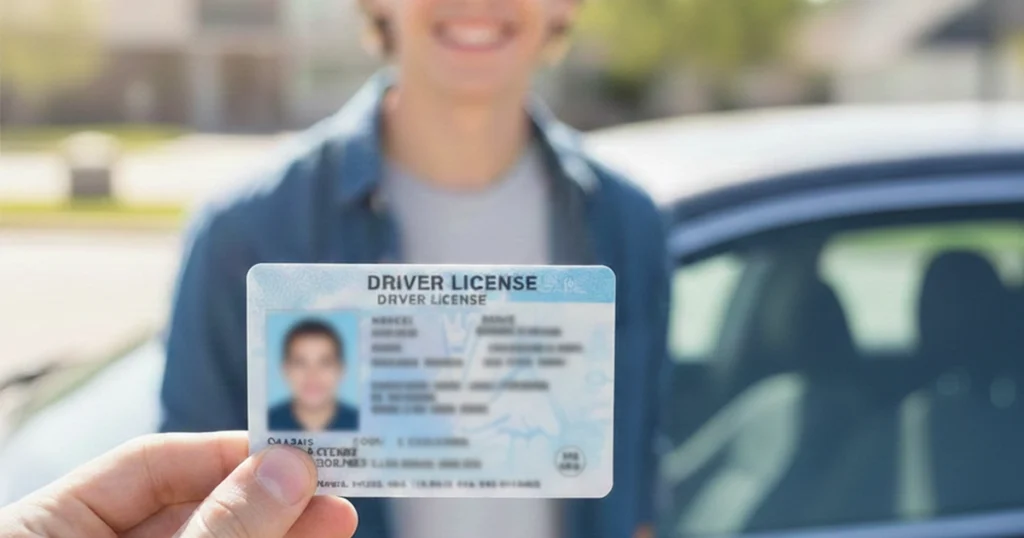
Stage 1: Learner Permit – Minimum Age 15
Teens can apply for a learner permit at age 15 under Texas Transportation Code §521.021.
Requirements:
- Enrollment in a state-approved driver education program.
- Passing a knowledge test on Texas traffic laws.
- Meeting vision and identification standards.
Driving Rules:
- Must be accompanied by a licensed adult (21+) in the front seat.
- No driving between midnight and 5 a.m., except for school, work, or emergencies.
- No use of cell phones or wireless devices.
Practice:
- At least six months of supervised driving, including night driving
- Focus on learning safe driving habits before independent driving.
Stage 2: Provisional License – Minimum Age 16
After six months of supervised driving, teens may qualify for a provisional license.
Requirements:
- Completion of 30 hours behind the wheel (10 at night).
- Pass a driving test.
- Complete driver education program.
Restrictions:
- No driving between midnight and 5 a.m. (except school, work, emergencies).
- Only one passenger under 21 who is not a family member.
- No mobile device use, including hands-free.
This stage allows independent driving under controlled conditions, reducing accident risk.
Stage 3: Full, Unrestricted License – Minimum Age 18
Upon turning 18, provisional restrictions are lifted, and teens may receive a full Class C license.
Privileges:
- Drive anytime, carry any passengers, and use devices as allowed by law.
- Full driving rights as an adult.
Responsibilities:
- Obey all traffic laws, including speed limits and DUI regulations.
- Insurance rates and liability may still be affected by past driving history.
Hardship or Minor Restricted Licenses
Some minors under 16 may qualify for a hardship license (Texas Transportation Code §521.180) if driving is necessary for:
- Family hardship.
- Medical reasons.
- Educational or vocational needs.
These licenses are issued on a case-by-case basis with extra restrictions and documentation requirements.
Penalties for Driving Underage or Without a License
Driving without meeting the minimum age or violating restrictions can have serious consequences:
- Fines from $25–$200 (Texas Transportation Code § 543.201).
- License suspension or delayed eligibility.
- Points on the driving record, affecting insurance (Texas Transportation Code § 521.021).
- Parental liability for knowingly allowing underage driving (Texas Transportation Code § 541.001)
Following the GDL stages strictly reduces legal and financial risks.
Teen Driver Accident Scenarios
Accidents involving teen drivers can vary widely. Here’s how situations are handled from both perspectives:
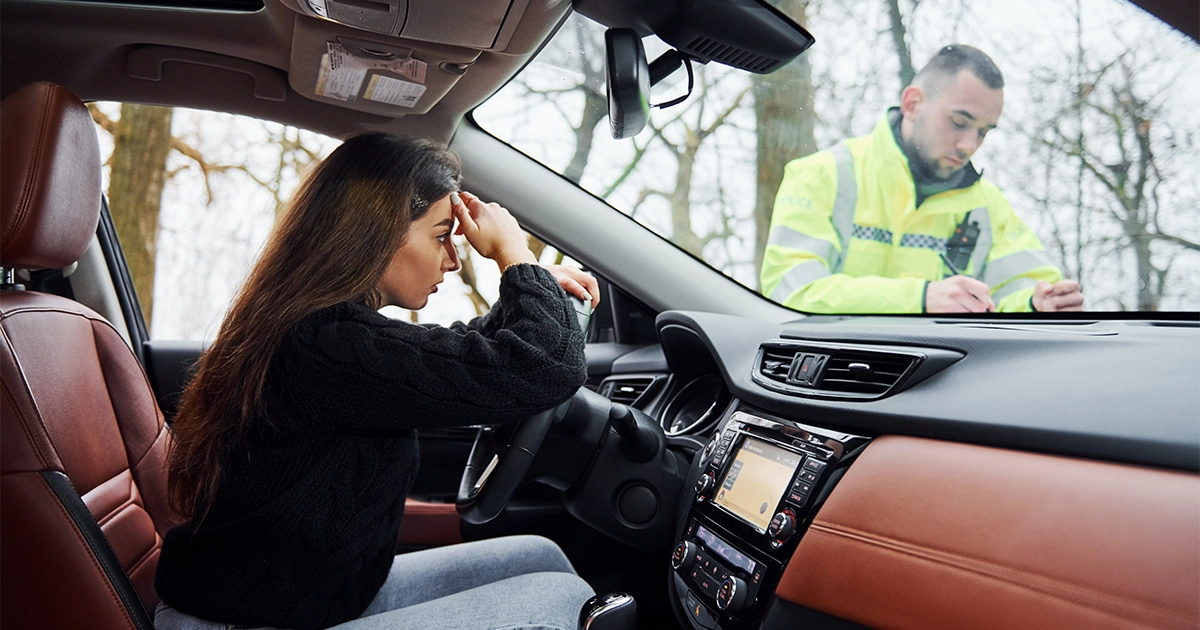
Teen Driver at Fault
If a teen causes an accident, consequences may include:
- Civil liability for injuries or damages.
- Potential court involvement.
- Higher insurance premiums.
A Houston car accident lawyer can assist with claims, limit liability, and guide families through the legal process.
Teen Driver Not at Fault
If a teen is injured in an accident:
- Insurance claims can cover medical costs and damages.
- Documentation of the scene, witnesses, and injuries is critical.
- Legal counsel ensures the teen’s rights and compensation are protected.
Fatal Accidents Involving Teen Drivers
When a teen is involved in a fatal crash:
- Liability is carefully assessed under Texas traffic laws (Texas Transportation Code §550).
- Families may need representation for wrongful death claims or insurance negotiations.
- Early legal guidance is essential to navigate liability, compensation, and potential criminal investigations.
Role of Parents in Teen Driving
Parents play a vital role in helping teen drivers move through Texas’s Graduated Driver Licensing system safely and responsibly. Consistent supervision, clear communication, and involvement in a teen’s driving habits reduce risks and reinforce compliance with state laws.
Parents should actively support their teen by:
- Certifying required practice and nighttime driving hours.
- Monitoring compliance with license restrictions.
- Encouraging safe and responsible driving behaviors.
- Consulting legal professionals if accidents, citations, or disputes arise.
Active parental involvement helps teens gain experience while staying within legal boundaries and avoiding unnecessary legal or insurance complications.
Taking Action After a Teen Driver Accident
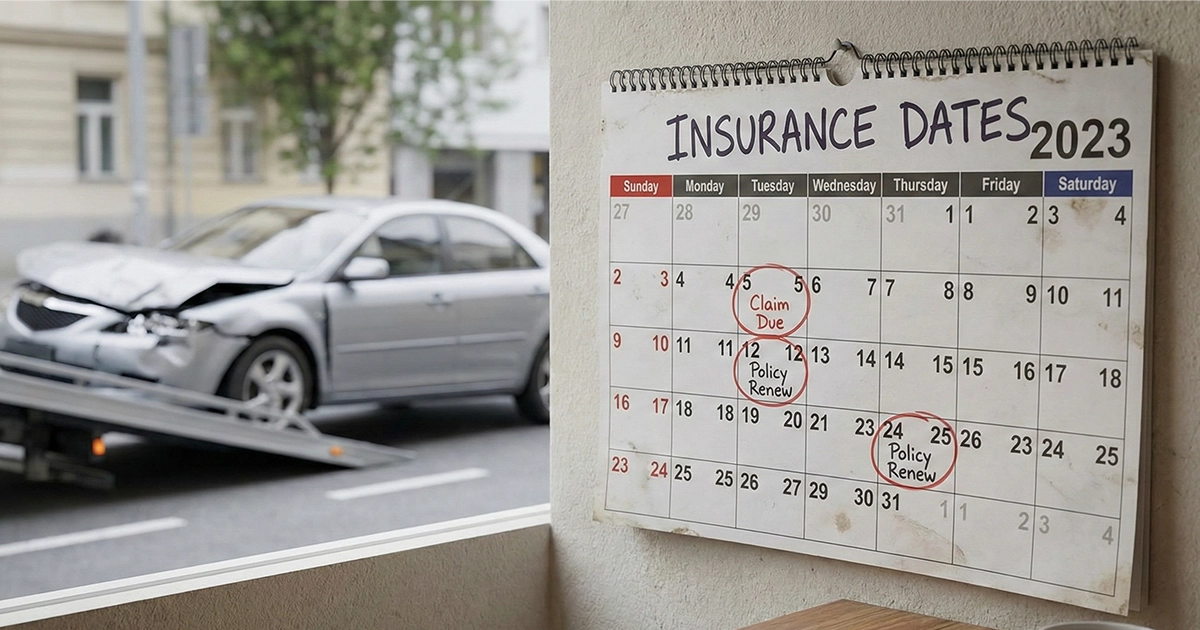
If a teen driver is involved in an accident, immediate action matters. Ensure everyone’s safety, contact law enforcement, and gather details from all parties, witnesses, and the accident scene. Proper documentation helps clarify what happened and protects everyone involved.
Because Texas law treats teen drivers differently, legal guidance is often necessary. Lakhani & McGrath can help determine fault, protect a teen’s rights, handle insurance issues, and ensure the situation is managed correctly, whether the teen was at fault, injured, or not responsible.