
A motorcycle wreck can happen in seconds, but determining who is legally at fault is often more complicated. After a crash, insurance companies, law enforcement, and attorneys review the evidence to determine what happened and who should be held responsible. Fault is one of the most important factors because it directly affects an injured rider’s ability to recover compensation.
In Texas, fault is determined by examining the actions of everyone involved in the accident. Liability depends on the facts of the case, the available evidence, and applicable law rather than assumptions about who caused the crash. Understanding how fault is determined with help from a Houston motorcycle accident attorney can protect injured riders’ rights and support their pursuit of fair compensation.
How Is Fault Determined After a Motorcycle Accident?
Fault is established by determining whether a driver acted negligently and whether that negligence caused the crash. Negligence occurs when someone fails to exercise reasonable care while operating a vehicle.
Police Reports
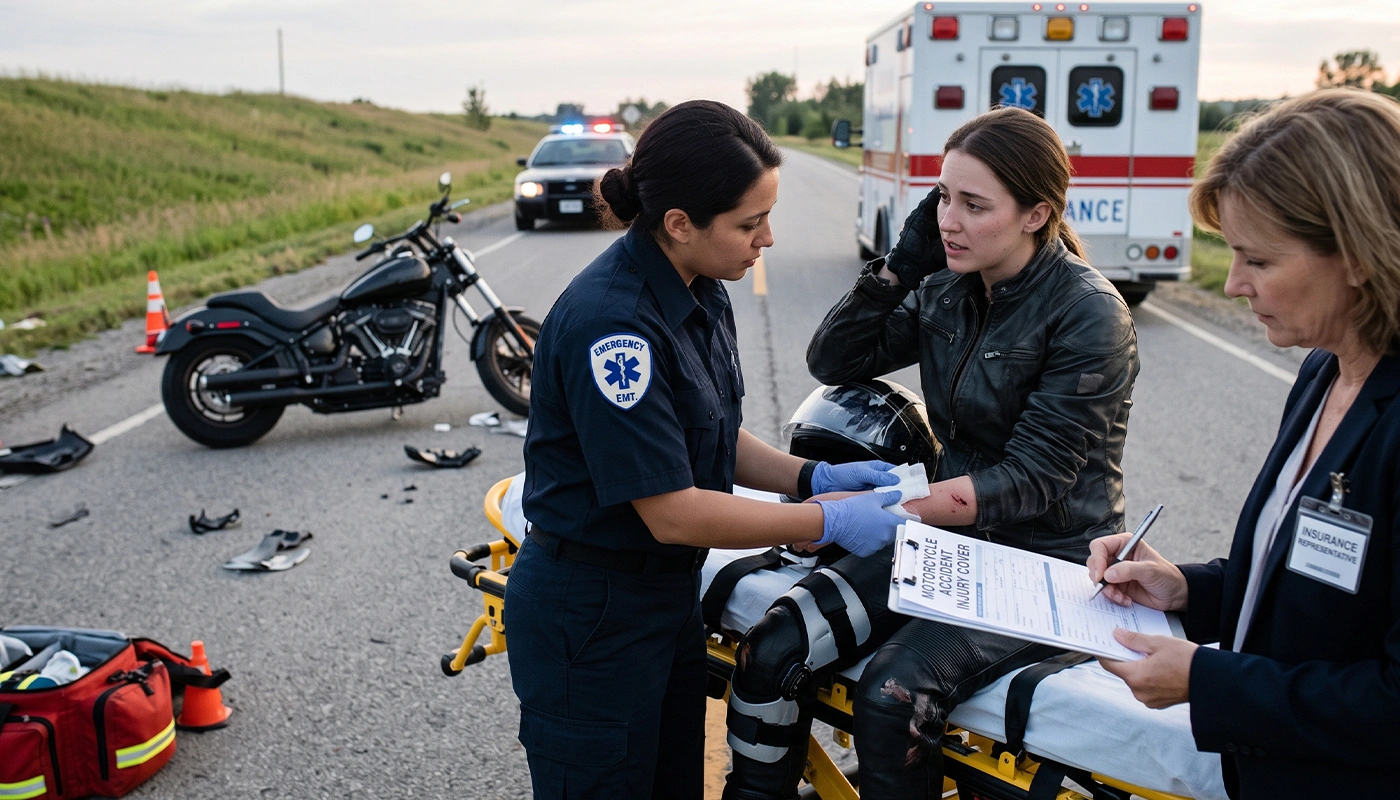
Police reports often serve as one of the most important pieces of evidence in a motorcycle accident claim. Responding officers document the accident scene, record statements from the drivers and witnesses, and note any traffic violations that may have contributed to the collision. While a police report does not automatically determine liability, it can provide valuable information that supports a claim and helps investigators understand how the crash occurred.
Witness Statements
Independent witnesses can provide an unbiased account of what happened before, during, and after the accident. Their observations may help clarify disputed facts, especially when the drivers involved offer conflicting versions of events. Witness testimony can be particularly valuable when there is limited physical evidence available or when liability is being challenged by an insurance company.
Photographs and Videos
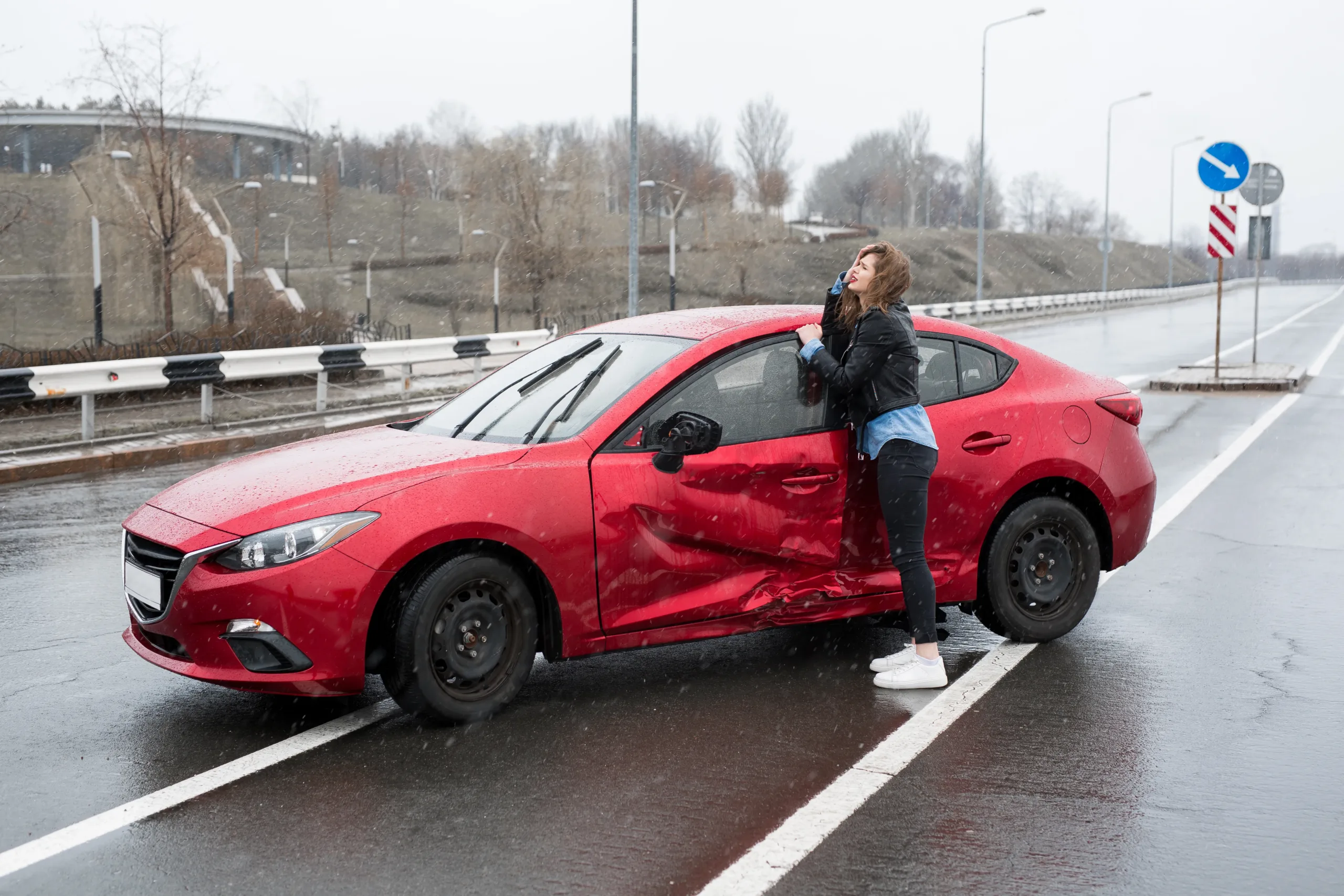
Photographs and video footage can provide a clear visual record of the accident scene and often help establish fault. Images of vehicle damage, road conditions, traffic signals, and visible injuries can preserve important details that may change shortly after the crash. Dash camera footage, surveillance recordings, and traffic camera videos can also provide objective evidence showing exactly how the collision occurred.
Accident Reconstruction
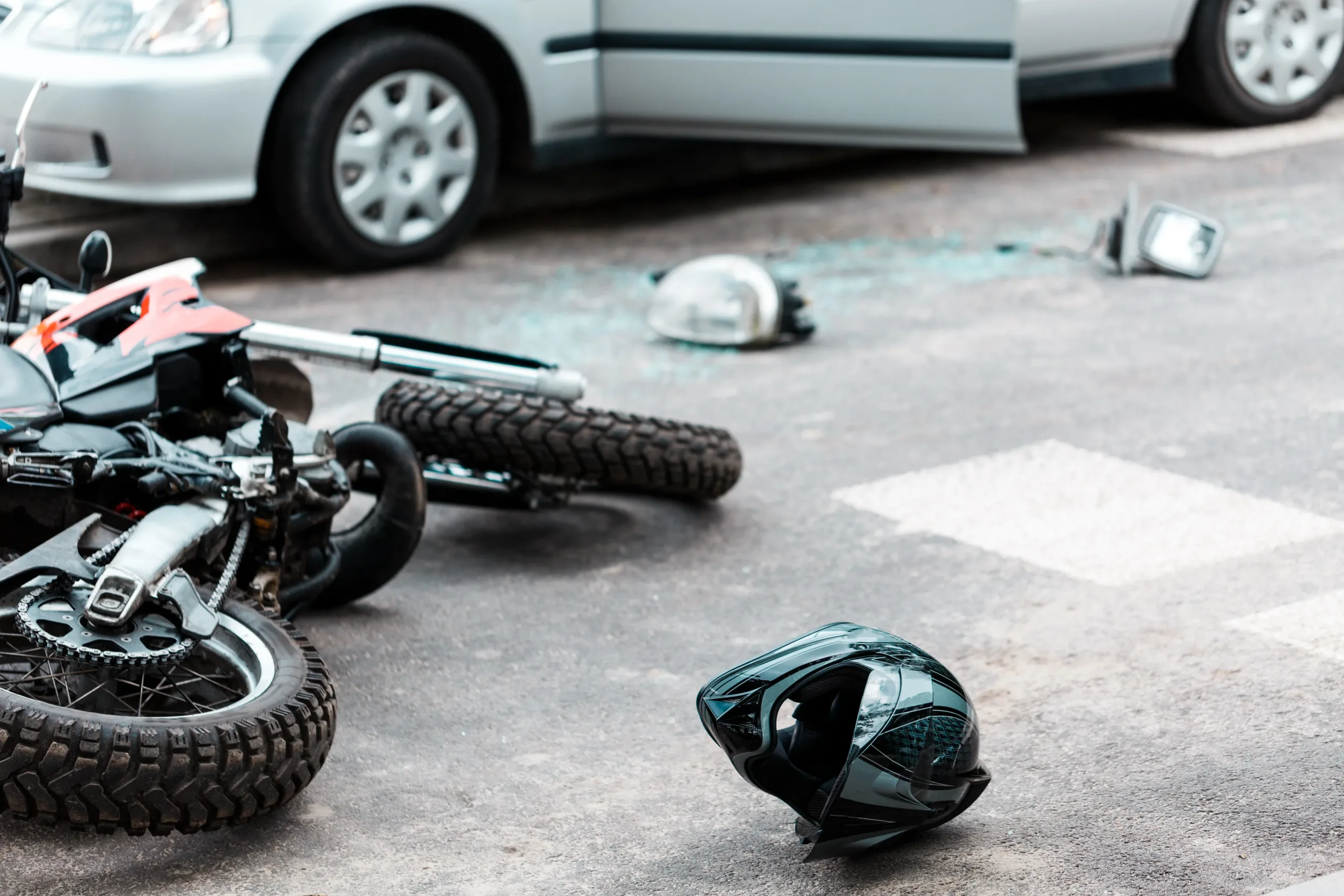
In serious motorcycle accident cases, accident reconstruction experts may be used to analyze the evidence and determine how the crash happened. These experts evaluate factors such as vehicle damage, skid marks, impact points, and roadway conditions to recreate the sequence of events. Their findings can be especially helpful when liability is disputed or when multiple parties may share responsibility for the accident.
Traffic Law Violations
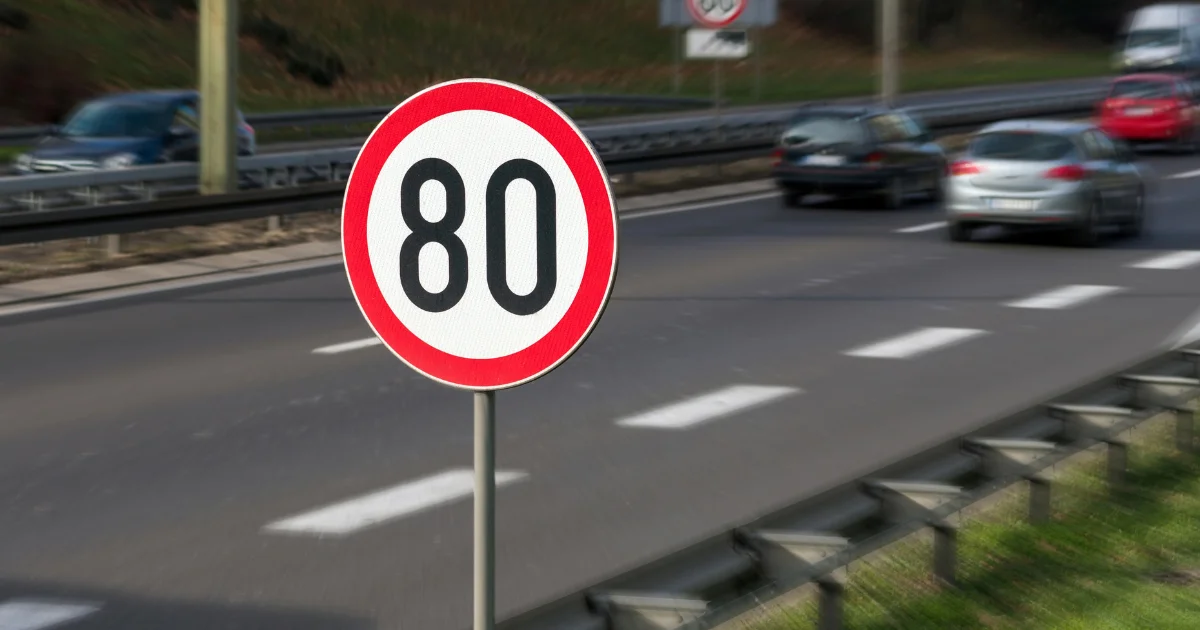
Evidence that a driver violated traffic laws can play a significant role in establishing fault. Common violations include speeding, distracted driving, running red lights, failing to yield, or making unsafe lane changes. When a traffic violation directly contributes to a motorcycle accident, it may serve as strong evidence that the driver acted negligently and should be held responsible for the resulting damages.
Also read: How to Get a Motorcycle License in Houston, Texas?
Common Drivers Who Cause Motorcycle Wrecks
Many motorcycle accidents occur because drivers fail to notice or properly react to motorcycles on the road. Since motorcycles are smaller and less visible than passenger vehicles, a Houston motor vehicle accident lawyer can help when driver negligence places riders at serious risk.
Common causes of motorcycle accidents include:
- Failure to Yield: Drivers frequently turn left in front of oncoming motorcycles or enter traffic without giving riders the right of way. These accidents often occur at intersections and can leave motorcyclists with little time to react or avoid a collision.
- Unsafe Lane Changes: A driver who fails to check blind spots or properly signal before changing lanes may move directly into a motorcycle’s path. Because motorcycles are smaller than passenger vehicles, they are often overlooked during lane-change maneuvers.
- Distracted Driving: Texting, using a phone, adjusting a GPS, or other distractions can prevent drivers from noticing nearby motorcycles. Even a brief lapse in attention can significantly increase the risk of a serious crash.
- Following Too Closely: Tailgating leaves insufficient time and distance for a driver to stop safely when traffic slows or stops unexpectedly. Rear-end collisions can be especially dangerous for motorcyclists due to their limited physical protection.
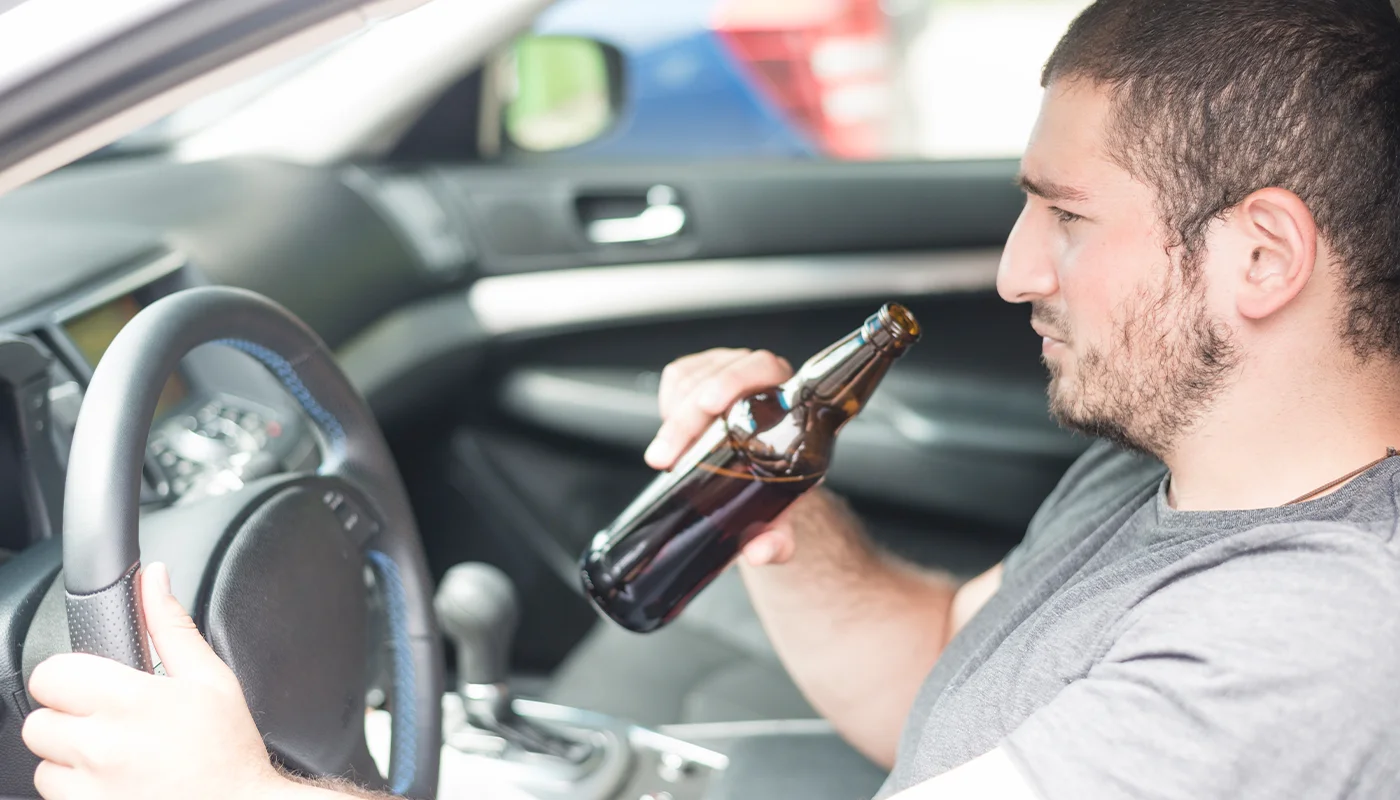
- Impaired Driving: Alcohol and drug impairment can affect judgment, coordination, and reaction time, making it more difficult for drivers to operate their vehicles safely. Impaired drivers are more likely to overlook motorcycles and cause severe or fatal accidents.
Can a Motorcyclist Be Partially at Fault?
Yes. Texas law recognizes that more than one person may contribute to an accident. In some cases, both the rider and another driver may share responsibility for the collision.
Examples that may lead to shared fault include:
- Speeding before the collision occurred.
- Making an unsafe lane change.
- Failing to use proper signals.
- Following another vehicle too closely.
- Violating applicable traffic laws.
The presence of partial fault does not automatically prevent an injured rider from recovering compensation, but it can affect the amount that may be recovered.
What Is Texas’s Comparative Fault Rule?
Texas follows a modified comparative fault system under Texas Civil Practice and Remedies Code Section 33.001. Under this law, an injured person may recover damages as long as they are not more than 50 percent responsible for the accident. If their percentage of fault exceeds 50 percent, compensation is barred entirely.
How Comparative Fault Affects Compensation
If an injured rider is awarded $100,000 but is found 20 percent responsible for the accident, the total recovery would be reduced by 20 percent.
For example:
- 10% Fault: Recovery reduced by 10%.
- 25% Fault: Recovery reduced by 25%.
- 50% Fault: Recovery reduced by 50%.
- More Than 50% Fault: No recovery allowed under Texas law.
Because fault percentages directly impact compensation, insurance companies often attempt to assign as much blame as possible to the rider.
Also read: How Long Does a Motorcycle Accident Settlement Take?
What Evidence Helps Prove Fault?
Strong evidence often determines whether a claim succeeds or fails. The sooner evidence is preserved, the easier it becomes for a motorcycle accident lawyer near me to establish liability.
Important evidence may include:
- Crash Reports: Police reports often contain important details about the accident, including driver statements, witness information, roadway conditions, and any traffic citations issued at the scene.
- Medical Records: Medical documentation helps connect your injuries directly to the motorcycle accident and demonstrates the severity of the harm you suffered.
- Eyewitness Testimony: Independent witnesses can provide an unbiased account of how the crash occurred, which may help resolve conflicting versions of events.
- Traffic Camera Footage: Video recordings from traffic cameras, nearby businesses, or surveillance systems can provide clear visual evidence of what happened before and during the collision.
- Vehicle Damage Assessments: The location and extent of damage to the motorcycle and other vehicles can help investigators determine how the accident occurred and who may be at fault.
- Cell Phone Records: In distracted driving cases, phone records may show whether a driver was texting, calling, or otherwise using their device at the time of the crash.
- Accident Reconstruction Analysis: Experts may analyze physical evidence, vehicle damage, and roadway conditions to recreate the accident and determine liability.
Gathering and preserving this evidence quickly can significantly strengthen a motorcycle accident claim.
Why Do Insurance Companies Blame Motorcyclists?
Insurance companies understand that some people hold unfair assumptions about motorcycle riders. A Houston personal injury attorney can challenge attempts by adjusters to use these biases to reduce claim values by arguing the rider was speeding, reckless, or otherwise responsible for the crash.
Common tactics include:
- Questioning the Rider’s Speed: Insurers may argue that the motorcyclist was traveling too fast, even when there is limited evidence supporting that claim.
- Claiming the Motorcycle Was Difficult to See: Insurance companies sometimes argue that the driver could not reasonably see the motorcycle in time to avoid the collision.
- Alleging Unsafe Riding Behavior: Adjusters may attempt to portray the rider as reckless by raising allegations of lane splitting, aggressive riding, or other unsafe actions.
- Disputing Injury Severity: Insurance companies often challenge the seriousness of injuries in an effort to reduce the value of the claim.
- Assigning Excessive Comparative Fault: By placing a higher percentage of blame on the rider, insurers can reduce the amount of compensation they may be required to pay under Texas law.
An experienced attorney can challenge these arguments and present evidence that accurately reflects what occurred.
When Should You Contact a Motorcycle Accident Lawyer?
Determining fault is often one of the most contested parts of a motorcycle accident claim. The earlier an attorney becomes involved, the easier it is to preserve evidence, interview witnesses, and build a strong case.
You should contact a lawyer immediately if:
- The Insurance Company Disputes Liability: If the insurer claims you were partially or entirely responsible for the accident, an attorney can investigate the crash and gather evidence to challenge those allegations.
- Serious Injuries Occurred: Severe injuries often result in substantial medical expenses, lost income, and long-term treatment needs. Legal representation can help ensure all current and future damages are properly evaluated.
- Multiple Parties May Share Fault: Some motorcycle accidents involve more than one responsible party, such as another driver, a trucking company, or a vehicle manufacturer. Identifying all liable parties can be critical to maximizing compensation.
- Evidence Is Disappearing or Unavailable: Surveillance footage may be erased, vehicles may be repaired, and witnesses may become difficult to locate over time. An attorney can act quickly to preserve important evidence before it is lost.
- A Settlement Offer Seems Too Low: Early settlement offers often fail to account for future medical treatment, ongoing limitations, and other long-term losses. A lawyer can evaluate whether the offer reflects the true value of your claim.
Acting quickly is also important because Texas Civil Practice and Remedies Code Section 16.003 generally requires personal injury lawsuits to be filed within two years of the accident date.
Injured in a Motorcycle Wreck? Contact Lakhani & McGrath
Determining fault after a motorcycle wreck can be challenging, especially when insurance companies attempt to shift blame onto the rider. At Lakhani McGrath, our team understands how motorcycle accident investigations work and knows how to build strong cases supported by evidence.
We work to identify all liable parties, challenge unfair fault allegations, and pursue the maximum compensation available under Texas law. If you were injured in a motorcycle wreck, contact us today for a free case evaluation.