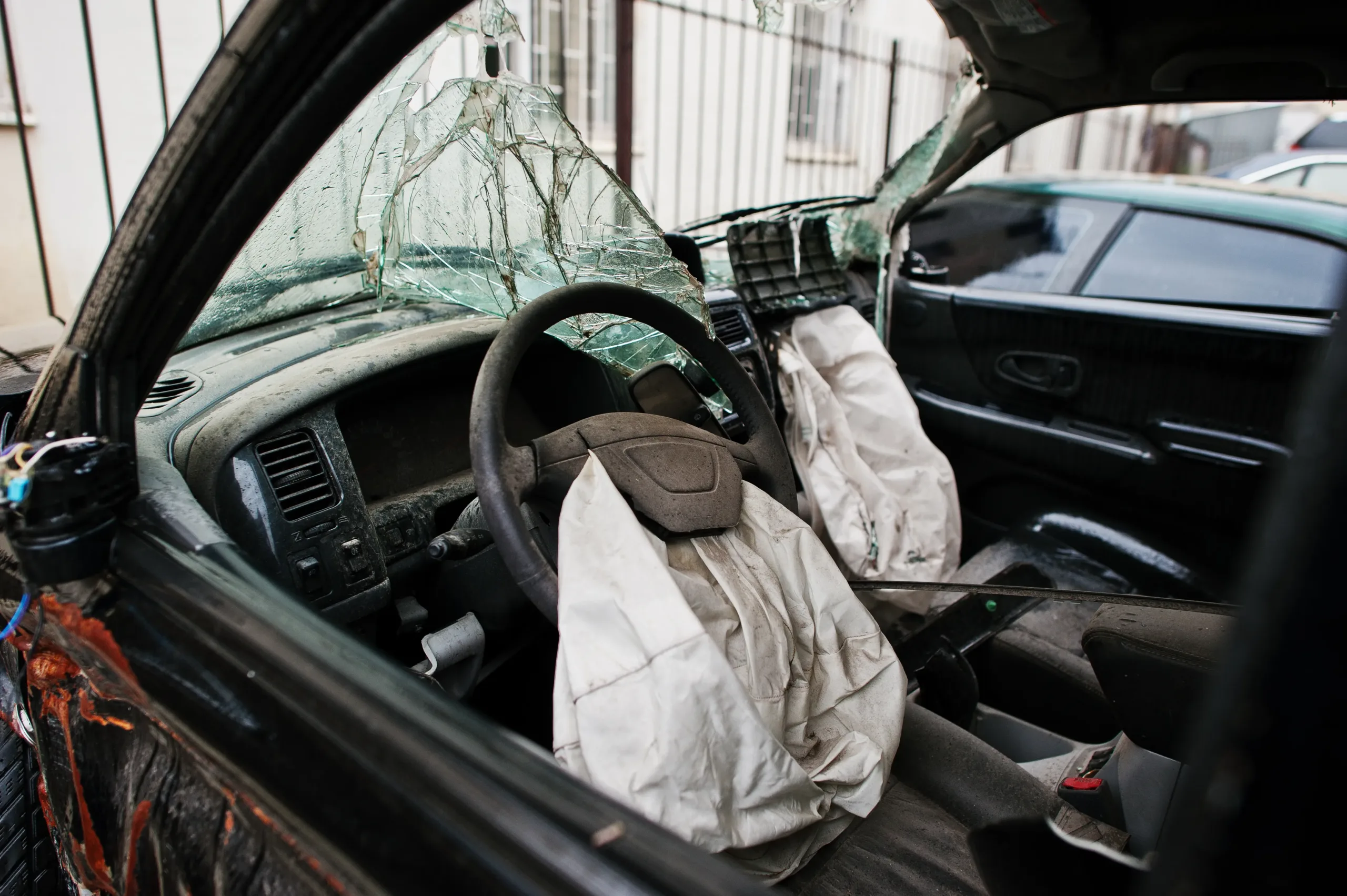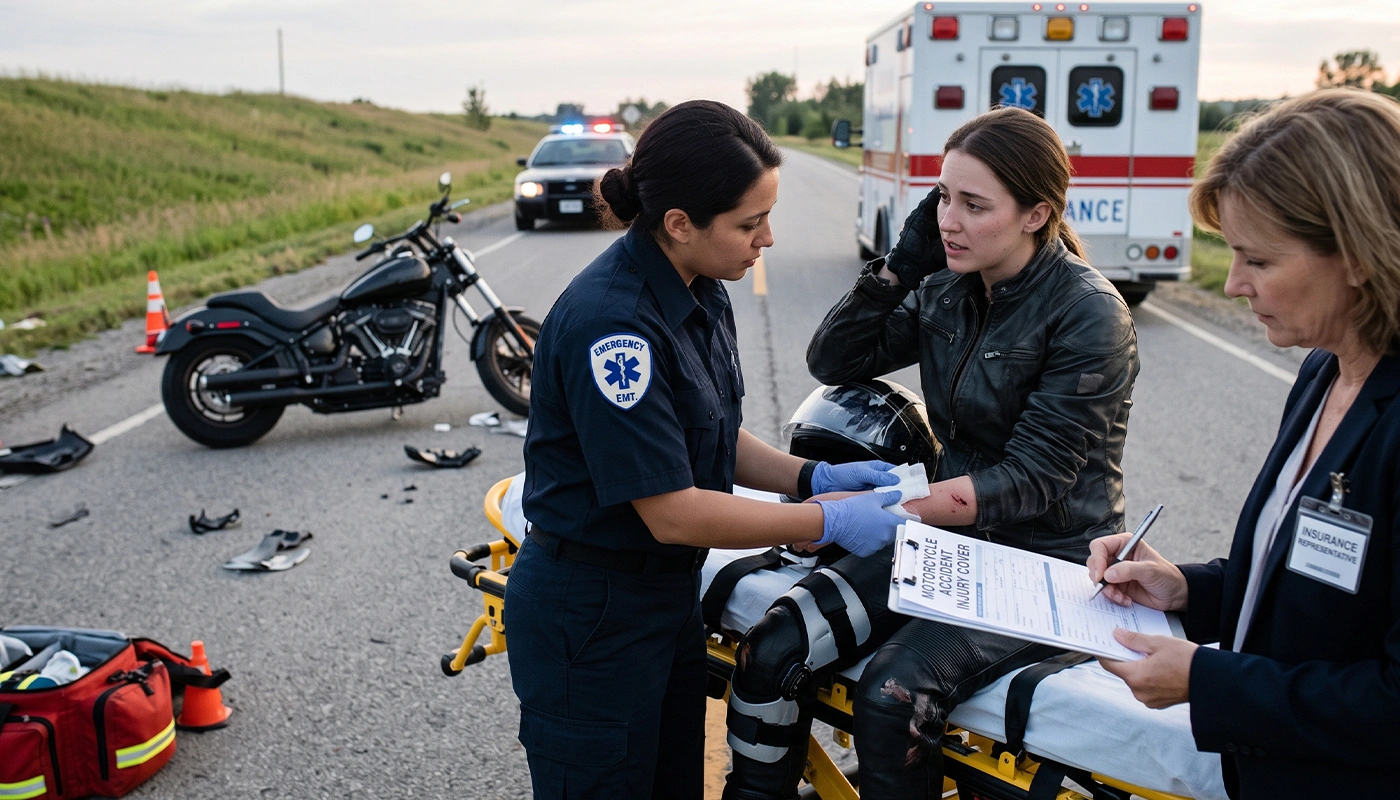
The probability of dying in car accident crashes is low on any single trip but meaningful over a lifetime. The National Safety Council (NSC) puts the lifetime odds of dying in a motor-vehicle crash at 1 in 101, using 2024 data. The National Highway Traffic Safety Administration (NHTSA) estimates 36,640 traffic deaths nationwide in 2025, or 1.10 deaths per 100 million vehicle miles traveled. Texas recorded 3,769 traffic deaths that year. Your personal risk depends on where, how, and with whom you travel, so these figures are averages, not predictions.
This guide explains those numbers, the factors that raise the risk of dying in a crash, and the Texas legal rules that apply after a death. A fatal or life-threatening collision leaves families managing grief, medical bills, insurance calls, and strict filing deadlines at the same time. Understanding Texas law early helps you protect your options, and a Houston car accident lawyer can review the facts of a specific crash and explain how the rules apply. Nothing here is individualized legal advice, because every case turns on its own facts.
Probability of Dying in Car Accident: National Numbers
NSC’s Injury Facts lists lifetime odds of 1 in 492 for pedestrian incidents and 1 in 726 for motorcyclists, so risk varies by how a person travels. NHTSA’s early estimate shows 2025 deaths fell about 6.7 percent from 39,254 in 2024, and the fatality rate dropped from 1.19 to 1.10. NSC and NHTSA totals differ because the organizations count crash deaths using different methods and definitions.
Lifetime odds accumulate annual risk across an average lifespan, which conceals wide differences between individual drivers, passengers, and pedestrians. Families who start looking for a personal injury lawyer near me are usually asking a different question than the statistics answer: who is legally responsible?
How Common Are Fatal Car Crashes in Texas and Houston?
TxDOT reports 3,769 traffic deaths in Texas in 2025, a 9.38 percent decrease from 4,159 in 2024. That equals one death every 2 hours and 19 minutes, and a fatality rate of 1.20 per 100 million vehicle miles traveled. TxDOT compiles these figures from crash reports that Texas peace officers submit.
Harris County has the state’s largest population, and its totals are large. Axios Houston’s analysis of TxDOT data found about 300 traffic deaths in the city of Houston in 2025 and more than 500 across Harris County. Recent-year totals may be revised as reports are processed.
What Factors Increase the Risk of Dying in a Car Crash?
TxDOT’s 2025 data highlight alcohol impairment, missing restraints, rural roads, intersections, and head-on collisions. These patterns describe many crashes, not any single wreck, and legal responsibility in an individual case depends on the evidence, including driver conduct, vehicle condition, and roadway design.
Impaired and Distracted Driving
In 2025, 906 people died in Texas crashes involving a driver under the influence of alcohol, which is 24.04 percent of all traffic deaths. Another 308 people died in crashes involving distracted driving.
Seat Belts and Restraints
Among people killed in vehicles where restraint use was applicable and known, 45.94 percent were not restrained.
Road Type and Crash Type
Rural crashes accounted for 50.12 percent of Texas traffic deaths, or 1,889 people. Another 955 people died in intersection-related crashes and 555 in head-on crashes. Pedestrian deaths totaled 695, and 559 motorcyclists died. Axios Houston’s TxDOT analysis also found that 154 of Houston’s 280 fatal crashes occurred on city-operated streets and 90 on interstates, so risk is not limited to freeways.
Read Related: Car Accident Deaths: Prevention & Legal Guide
What Legal Options Exist After a Fatal Car Crash in Texas?
Chapter 71 of the Texas Civil Practice and Remedies Code allows a wrongful death claim when a death results from another person’s wrongful act, neglect, carelessness, unskillfulness, or default. Suit generally must be filed within two years of the death under Section 16.003(b). Outcomes depend on fault, insurance, and evidence.
Who Can File a Wrongful Death Claim?
Section 71.004 allows the surviving spouse, children, and parents to sue, and any of them may sue for the benefit of all. If none files within three calendar months after the death, the estate’s executor or administrator must bring the action unless all of them ask otherwise. The statute does not list siblings.
Wrongful Death Claims Versus Survival Actions
A wrongful death claim compensates family members for their own losses. A separate survival action under Section 71.021 preserves the injured person’s own personal injury claim for the estate. Section 71.006 confirms that a related criminal proceeding does not preclude a wrongful death action. Section 71.009 allows exemplary damages, meaning punitive damages, in addition to actual damages when the death results from a willful act or omission or gross negligence, subject to other Texas limits. A car accident lawyer near me can review which claims apply.
Shared Fault and Insurance
Texas applies proportionate responsibility under Chapter 33. A claimant whose responsibility exceeds 50 percent recovers nothing, and a lower share reduces recovery proportionally. Texas Transportation Code Section 601.072 sets minimum liability limits of $30,000 per person, $60,000 per accident, and $25,000 for property damage, which may fall short in a serious crash. Insurers must include uninsured and underinsured motorist coverage unless a named insured rejects it in writing under Insurance Code Section 1952.101.
Texas Law, Federal Law, and Houston Courts
NHTSA collects national crash data and sets federal vehicle safety standards, but Texas statutes, not federal law, set these filing deadlines and govern most claims from ordinary car crashes. Federal Motor Carrier Safety Regulations, found in Title 49 of the Code of Federal Regulations, may matter if a commercial truck was involved. Suits from Houston crashes are commonly filed in Harris County district courts, though venue rules and case facts control.
What Should You Do After a Serious Car Crash in Houston?
Call 911, get medical care for everyone hurt, and preserve evidence. Texas Transportation Code Section 550.021 requires drivers in collisions likely to cause injury or death to stop, check whether anyone needs aid, and remain at the scene until legal duties are met. Noncompliance in a fatal collision is a second-degree felony. Then follow these steps:
- Call 911. Depending on location, the Houston Police Department, Harris County Sheriff’s Office, a constable, or the Texas Department of Public Safety may respond.
- Photograph vehicles, injuries, road conditions, and signals when it is safe.
- Collect names, insurance details, and witness contact information.
- Request the CR-3 crash report, the Texas Peace Officer’s Crash Report that TxDOT maintains.
- Keep medical, funeral, and lost-income records.
- Notify your own insurer, and be cautious about recorded statements to another party’s insurer.
- Avoid signing a release or accepting a settlement before understanding the full extent of your losses.
- Calendar the two-year filing deadline.
When Should You Speak With a Texas Attorney?
Consider consulting a qualified Texas attorney when a crash causes death or serious injury, fault is disputed, a commercial vehicle is involved, insurance limits look inadequate, or an insurer requests a statement or signature. Claims against government entities can carry notice requirements shorter than two years, and evidence fades quickly. A qualified attorney can identify responsible parties, preserve evidence, and explain deadlines, but no attorney can guarantee a result.
Know the Odds, Then Protect Your Family’s Rights
The probability of dying in car accident crashes is about 1 in 101 over a lifetime, and Texas roads recorded 3,769 deaths in 2025. Those numbers describe risk, not fault. If a crash has already harmed someone you love, gather evidence, keep records, and watch Texas’s general two-year filing deadline, because outcomes hinge on evidence, insurance, and each party’s responsibility. For questions about a specific crash, the attorneys at Lakhani & McGrath can discuss the facts and explain the Texas rules that may apply.