
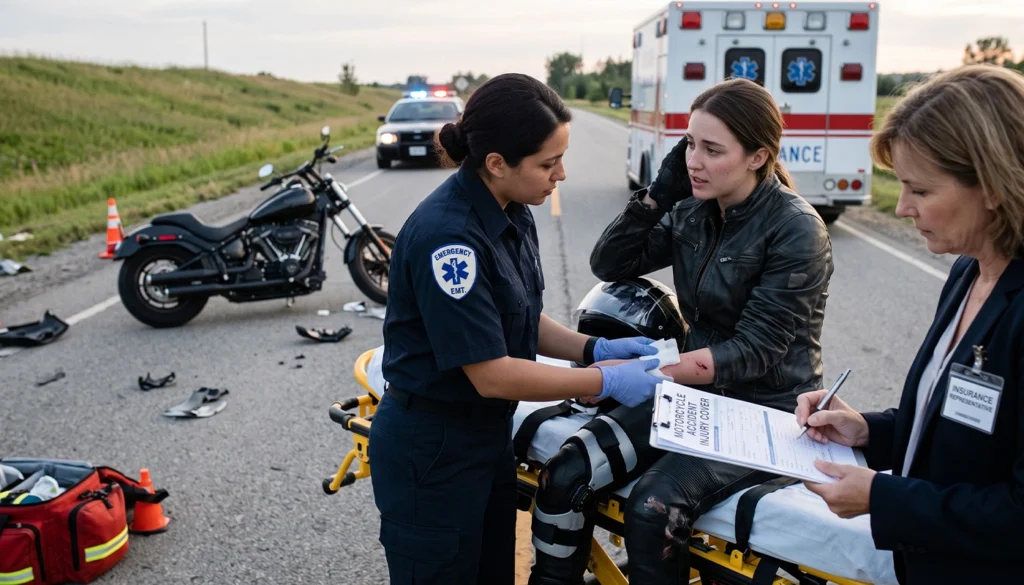
Yes, health insurance may cover medical treatment for motorcycle accident injuries, depending on the terms of the health plan and the circumstances of the crash. Health insurance can help pay covered medical expenses such as emergency care, hospitalization, surgery, rehabilitation, and follow-up treatment, subject to deductibles, copayments, coinsurance, exclusions, and other plan requirements.
For Houston riders, determining which insurance should pay can become complicated when another driver causes the collision. A motorcycle accident lawyer Houston may review the available insurance policies, medical expenses, crash evidence, and potential liability. Health insurance may help address immediate medical costs, but it does not necessarily determine who is legally responsible for the accident or how much compensation an injured rider may ultimately recover.
Does Health Insurance Pay for Motorcycle Accident Injuries?
Health insurance can pay for covered medical services required after a motorcycle accident, even when another person may ultimately be responsible for causing the crash. The precise amount paid depends on the health plan, the provider, whether the treatment is covered, and the plan’s cost-sharing requirements. HealthCare.gov explains that health insurance provides financial protection against high medical costs associated with serious accidents or illnesses. Covered individuals may still have deductibles, copayments, and coinsurance to pay.
After a serious motorcycle crash, medical care may include:
- Emergency room treatment
- Ambulance services
- Diagnostic imaging
- Surgery
- Hospitalization
- Prescription medications
- Physical therapy
- Occupational therapy
- Follow-up appointments
- Rehabilitation and other medically necessary care
Using health insurance for treatment does not necessarily mean you are giving up a potential personal injury claim. The two processes address different questions: health insurance concerns payment for covered medical care, while a personal injury claim may seek compensation from a legally responsible party for the losses caused by the accident.
Can Health Insurance Deny a Motorcycle Accident Medical Claim?
A health insurer can deny or limit payment for a medical service for reasons permitted under the applicable plan and law. A denial does not necessarily mean that the treatment was unrelated to the motorcycle accident or that you have no legal claim against another party.
If an insurer denies coverage for a medical service, review the explanation of benefits and denial notice. CMS explains that consumers may have rights to an internal appeal and, for eligible claims, an external review of certain health insurance decisions.
The reason for the denial matters. It could involve:
- A service the plan does not cover
- Medical-necessity questions
- Prior authorization requirements
- Provider-network issues
- Deductible or cost-sharing requirements
- Missing information
- An administrative error
- Other plan-specific limitations
What If the At-Fault Driver Has Insurance?
If another driver caused your motorcycle accident, you may have a claim against that driver’s liability coverage. Texas requires drivers to demonstrate financial responsibility for accidents they cause, and most drivers satisfy that requirement through automobile liability insurance.
The at-fault driver’s policy may potentially provide compensation for legally recognized losses resulting from the crash. Those losses can include medical expenses, lost income, physical pain, impairment, disfigurement, and other damages depending on the facts and applicable law. However, insurance policy limits can affect what is realistically available. If the responsible driver has insufficient insurance, other coverage may need to be evaluated. Your own policy may also contain uninsured or underinsured motorist coverage. Whether such coverage applies depends on the policy, the accident, and the applicable law.
Can My Health Insurance Company Seek Reimbursement?
Possibly. This issue is commonly called subrogation or reimbursement.
Subrogation generally means an insurer may have a right to recover amounts it paid when another party was legally responsible for the injury. Texas Civil Practice and Remedies Code Chapter 140 addresses contractual subrogation rights for certain health benefit plans that provide benefits for injuries caused by third parties.
This can become important when an injured motorcyclist receives health insurance benefits and later obtains a settlement or judgment from the person responsible for the crash. The amount and enforceability of any reimbursement claim depend on the applicable plan, contract, law, and circumstances. You should not assume that every medical bill paid by health insurance will automatically be deducted from a settlement in the same manner. If you receive a reimbursement or lien notice, keep it with your accident records and have the applicable documents reviewed before resolving your injury claim.
How Does Medicaid Handle Motorcycle Accident Medical Bills?
Medicaid follows specific federal third-party liability rules when another source may be legally responsible for medical expenses. The Centers for Medicare & Medicaid Services explains that Medicaid beneficiaries may have other sources of coverage, including private insurance and liability settlements. When a legally responsible third party exists, Medicaid generally has rules requiring that other available resources be considered before Medicaid pays for covered care.
This means an injured rider who receives Medicaid should disclose relevant accident and insurance information when required. A later settlement can also create reimbursement considerations. The rules can differ depending on whether the coverage involves Medicaid, Medicare, an employer-sponsored health plan, or an individual health insurance policy. The specific plan documents and applicable federal or Texas rules should be reviewed rather than assuming that every health plan operates the same way.
What Should You Do After a Motorcycle Accident?
Taking the right steps after a crash can help protect your health and potential claim.
- Get Medical Care: Seek prompt treatment and follow your provider’s recommendations.
- Report the Accident: Report the crash to the appropriate law enforcement agency.
- Preserve Evidence: Keep photos, medical records, bills, repair records, witness details, and insurance documents.
- Notify Insurers: Provide required information and avoid admitting fault or minimizing your injuries.
- Track Expenses: Document medical bills, lost wages, rehabilitation, and other accident-related costs.
- Review Insurance Decisions: If coverage is denied, review the explanation and available appeal options.
- Consider Legal Guidance: Serious injuries, disputed liability, or substantial medical bills may warrant speaking with a Texas attorney.
Read Related: what to do after a motorcycle accident in Texas
When Should You Speak With a Motorcycle Accident Lawyer?
Consider speaking with an attorney when the accident involves serious injuries, disputed fault, significant medical expenses, lost income, multiple insurance policies, or an insurer that is challenging your claim. A motorcycle accident lawyer near me may also help identify evidence that supports liability and damages, communicate with insurers, and evaluate whether reimbursement claims or other insurance issues could affect a potential recovery.
Timing can matter. Texas Civil Practice and Remedies Code §16.003 generally provides a two-year limitations period for personal injury lawsuits, although exceptions and other rules can apply. Do not assume that having two years means you should wait. Evidence can become harder to locate, witnesses’ memories can fade, and medical treatment may continue for months. An early review may help identify important deadlines and evidence-preservation issues.
How Can Insurance Affect a Motorcycle Accident Claim?
Health insurance can help pay for covered treatment, but it is only one part of the financial picture after a motorcycle crash. A motor vehicle accident attorney Houston may evaluate whether another driver was negligent, whether insurance coverage applies, what damages may be recoverable, and whether health insurance or another benefit provider may assert reimbursement rights. The value and outcome of a personal injury claim depend on the facts. Factors may include how the collision occurred, the evidence available, the severity and duration of injuries, medical treatment, lost income, insurance limits, comparative responsibility, and other applicable Texas laws.
Read Related: motorcycle accident compensation
What Should You Do About Motorcycle Accident Injuries and Insurance?
Health insurance may cover some or all eligible medical treatment after a motorcycle accident, but the exact coverage depends on your plan and the circumstances. If another driver caused the crash, their liability insurance may also be relevant, and additional insurance or reimbursement issues may need to be considered. For Houston riders dealing with serious motorcycle accident injuries, do not let uncertainty about medical bills delay decisions about evidence, insurance, or potential legal rights. Reviewing the situation early can help clarify which policies may apply and what steps should be taken next.
Take Action After Motorcycle Accident Injuries
Dealing with motorcycle accident injuries can leave you facing medical bills, insurance disputes, and uncertainty about who should pay. Health insurance may cover treatment, but it does not necessarily resolve questions about liability, reimbursement, or compensation from an at-fault driver.
If you were injured in a Houston motorcycle crash, Lakhani & McGrath can review your accident, insurance coverage, medical expenses, and potential claim. Getting legal guidance early can help you understand your options before you accept a settlement or overlook an important issue.