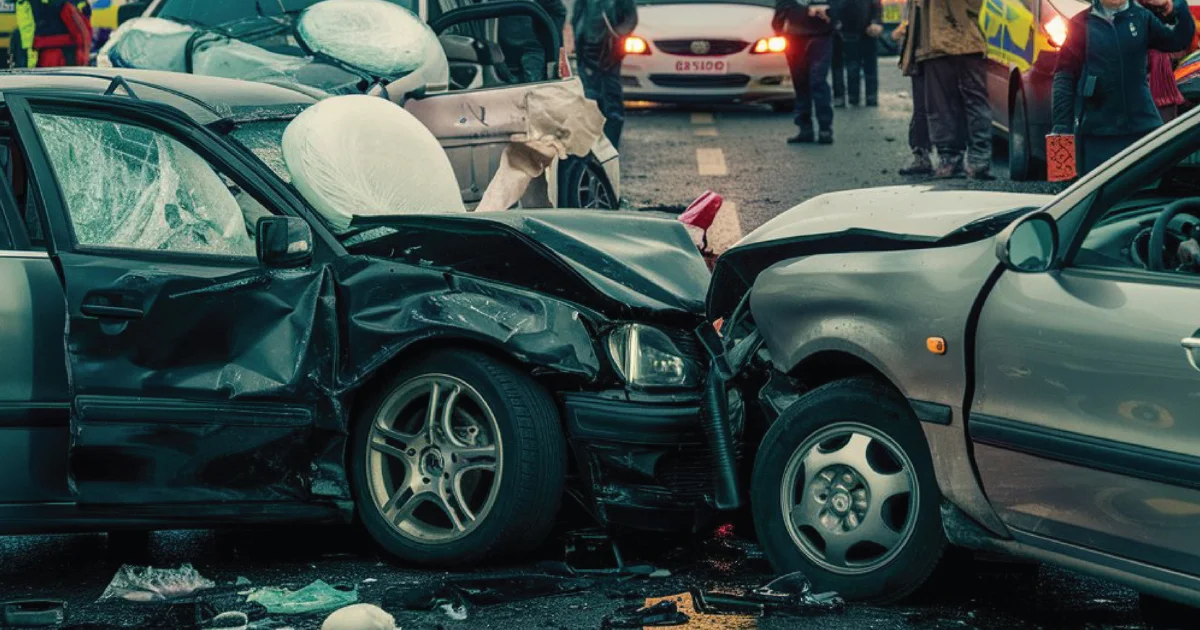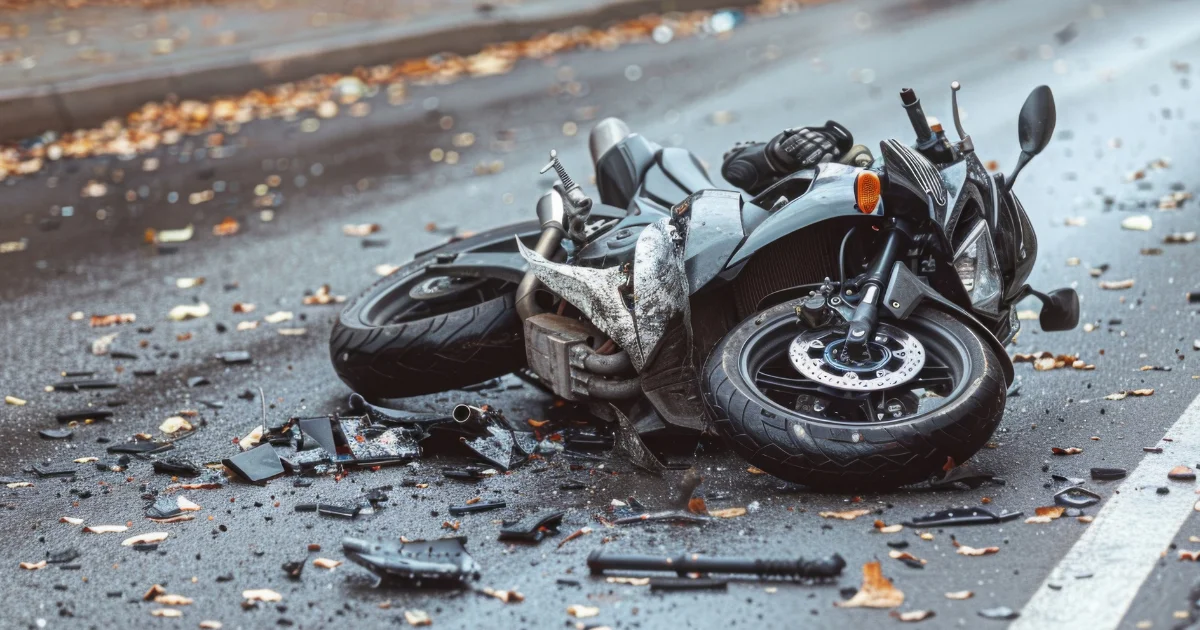

Motorcycle accidents often lead to serious injuries because riders have far less protection than passengers in standard vehicles. Even relatively minor crashes can cause long-term physical, emotional, and financial consequences. Understanding what the most common types of motorcycle injuries are can help riders recognize symptoms early, seek medical treatment quickly, and understand their legal options after an accident.
In severe cases, victims often contact our best personal injury lawyer to help recover compensation for medical expenses, lost income, and other damages.
Why Motorcycle Injuries Are Often Severe
Unlike drivers inside cars, motorcyclists are directly exposed to the force of impact during a crash. Without the protection of airbags, seatbelts, or reinforced vehicle frames, riders are far more vulnerable to traumatic injuries. Several factors contribute to the severity of motorcycle accident injuries, including:
- High-speed collisions
- Being thrown from the motorcycle
- Limited physical protection
- Road hazards like gravel or potholes
- Collisions with larger vehicles
Even after medical treatment, motorcycle accident victims often face high costs and insurance challenges. A Houston motorcycle accident attorney can help protect your rights and pursue fair compensation.
The Most Common Types of Motorcycle Injuries
Motorcycle crashes can affect multiple parts of the body at the same time. Some injuries heal within weeks, while others may require surgery, rehabilitation, or lifelong treatment.
1. Road Rash
Road rash happens when a rider slides across the pavement after impact. Mild cases may involve surface skin abrasions, while severe cases can cause deep tissue damage, infections, or permanent scarring.
2. Head and Brain Injuries
Head trauma is one of the most dangerous outcomes of a motorcycle crash. Even riders wearing helmets can suffer serious brain injuries. Common head injuries include:
- Concussions
- Traumatic brain injuries (TBI)
- Skull fractures
These injuries may lead to memory loss, cognitive impairment, headaches, and long-term neurological complications.
3. Broken Bones
Fractures are among the most frequently reported motorcycle crash injuries because riders often attempt to brace themselves during impact. Common fracture locations include:
- Arms and wrists
- Legs and ankles
- Collarbone
- Ribs
Some fractures may require surgery, physical therapy, or extended recovery periods.
4. Spinal Cord Injuries
Motorcycle accidents can place intense pressure on the spine and back. Severe spinal trauma may lead to permanent mobility issues or paralysis. Common spinal injury complications include:
- Chronic pain
- Nerve damage
- Partial paralysis
- Full paralysis
These injuries often require long-term medical care and rehabilitation.
5. Internal Injuries
Blunt-force trauma from a collision can damage internal organs and cause internal bleeding, which may not always be immediately visible after a crash. Commonly affected organs include:
- Liver
- Lungs
- Kidneys
- Spleen
Because internal injuries can become life-threatening quickly, immediate medical evaluation is essential after any motorcycle accident.
6. Facial Injuries
Facial trauma is common in motorcycle crashes, especially when riders are thrown from the bike or helmets fail to fully protect the face. These injuries may include:
- Broken jaw
- Dental injuries
- Eye injuries
- Facial lacerations
Some facial injuries may require reconstructive surgery or long-term dental treatment.
What Body Parts Are Most Commonly Injured?
Because motorcyclists are fully exposed during collisions, certain body areas are injured more frequently than others. The most commonly injured body areas include:
- Head and neck
- Arms and legs
- Chest and ribs
- Spine and back
- Abdomen and internal organs
In many cases, riders suffer multiple injuries simultaneously.
What to Do After a Motorcycle Accident
Taking the right steps after a motorcycle crash can help protect both your health and your legal rights. Important steps include:
- Seek immediate medical attention
- Move to a safe location if possible
- Call emergency services
- Take photos of the accident scene and injuries
- Gather witness and insurance information
- Avoid discussing fault at the scene
Prompt medical treatment also helps document injuries for insurance and legal claims.
Motorcycle Accident Compensation
Victims injured in motorcycle accidents may be entitled to compensation for both financial and non-financial losses. The amount of compensation depends on the severity of injuries, medical costs, and the circumstances of the crash. Compensation may include:
- Medical expenses
- Lost wages
- Rehabilitation costs
- Pain and suffering
- Long-term disability damages
- Motorcycle repair or replacement
Insurance companies may attempt to reduce payouts, which is why many victims seek help from a motorcycle personal injury lawyer.
Why Legal Help Matters
Motorcycle accident claims can become complicated when insurance companies dispute liability or minimize injury severity. Having legal representation can make it easier to gather evidence, negotiate settlements, and pursue fair compensation. Our experienced attorney may help by:
- Investigating the accident
- Collecting medical and police records
- Negotiating with insurers
- Calculating long-term damages
- Representing victims in court if needed
Get Legal Help After an Accident
Motorcycle accident injuries can be physically, emotionally, and financially overwhelming. Because riders are highly exposed during collisions, even a single crash can result in long-term medical complications and significant financial stress.
Understanding the most common types of motorcycle injuries and seeking immediate medical care are important first steps after an accident. Our Lawyers at Lakhani & McGrath can help you pursue compensation and protect your legal rights throughout the claims process.