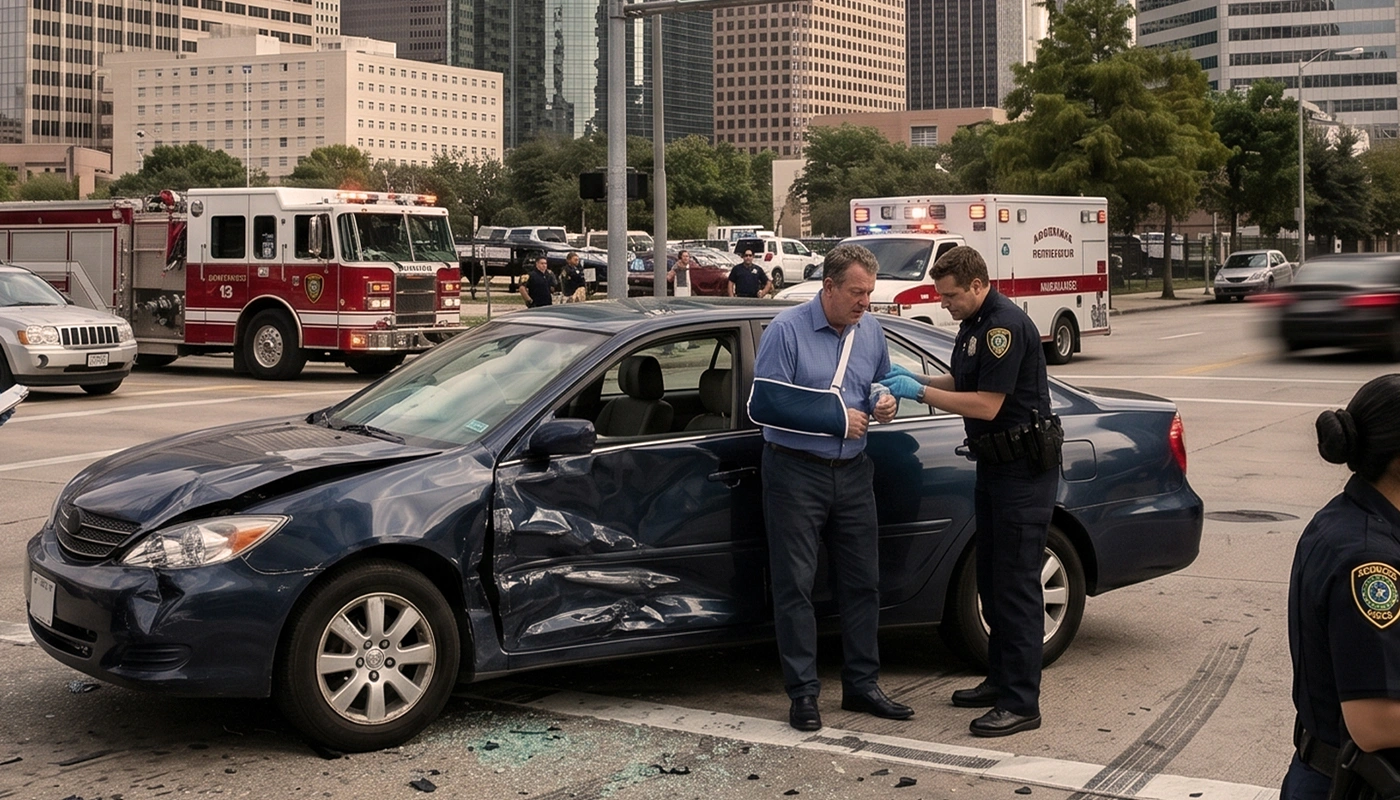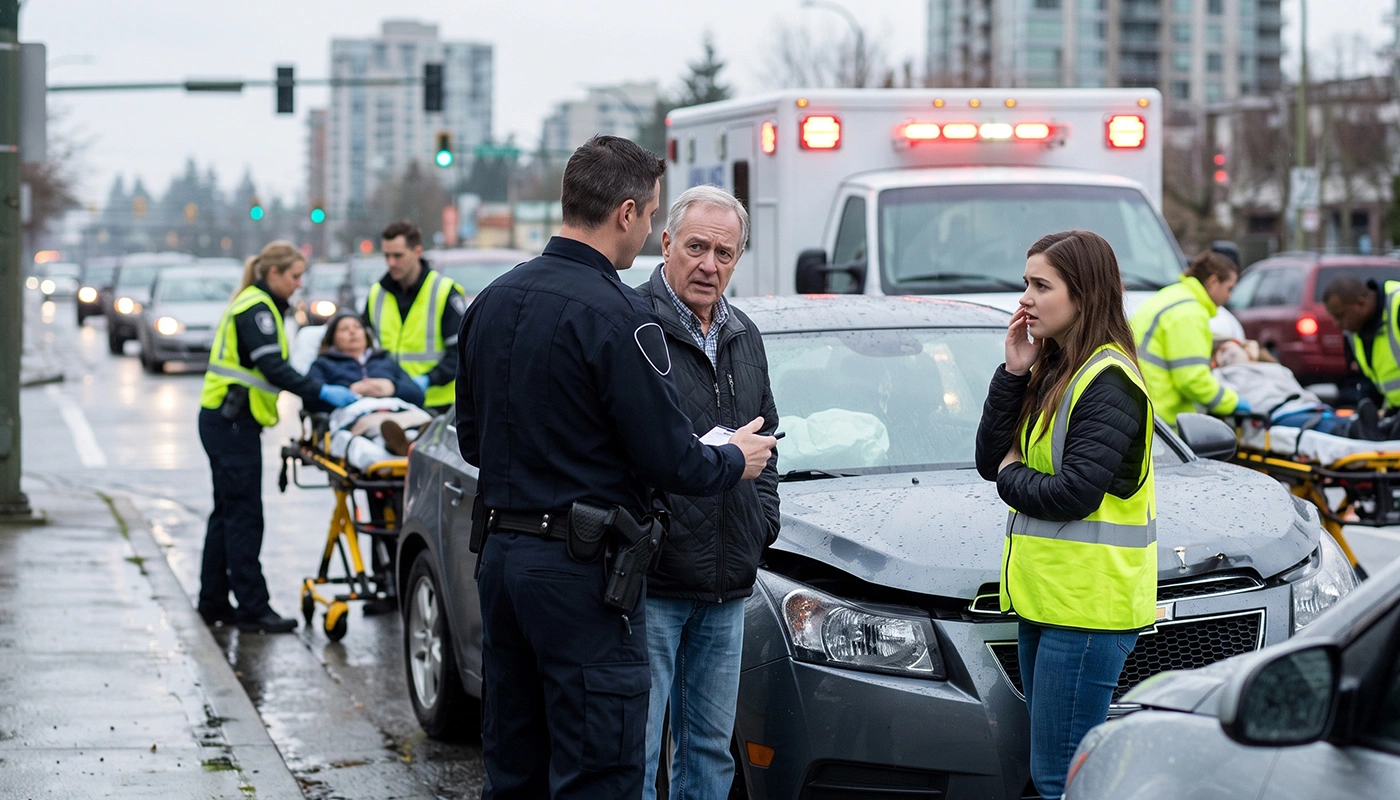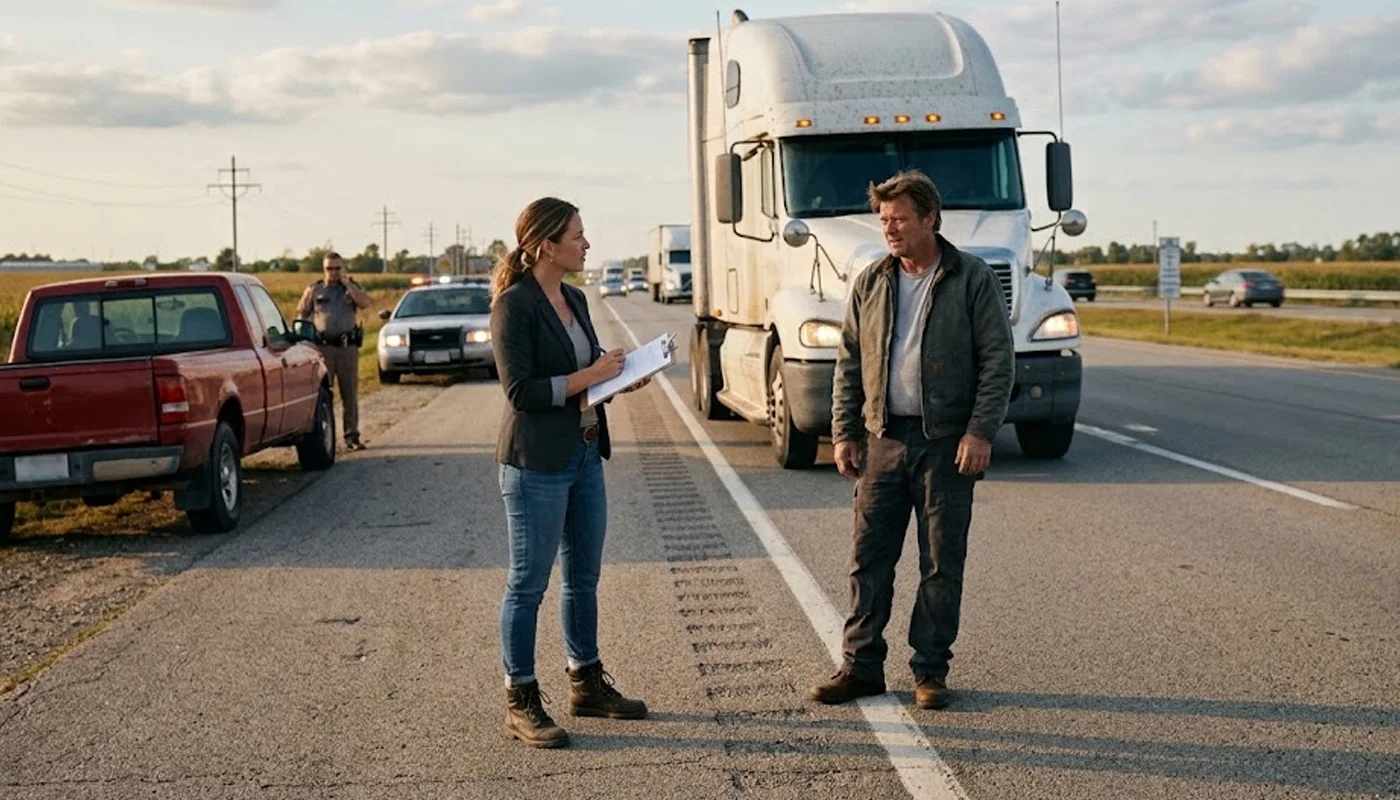
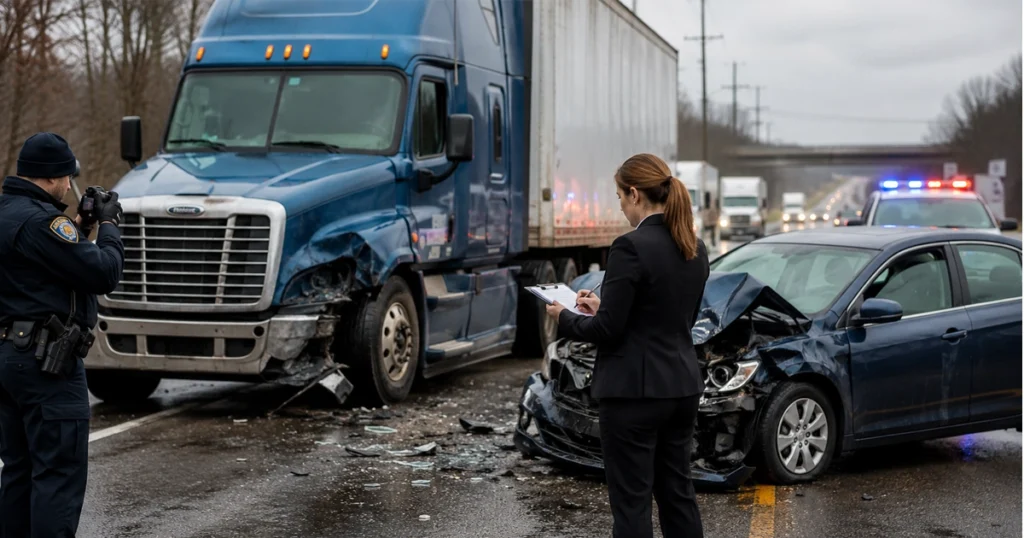
Determining liability after a truck accident is often more complicated than after a typical car accident. Commercial trucking operations involve multiple individuals and businesses, making it necessary to identify every party whose negligence may have contributed to the collision.
In Texas, liability is established by proving that a person or company failed to exercise reasonable care and that this negligence caused the accident and resulting damages. A Houston truck accident attorney can help identify all liable parties and protect your right to compensation.
What Does Liability Mean in a Truck Accident?
Truck accident liability refers to the legal responsibility for causing a commercial truck collision. Depending on how the accident occurred, one or more individuals or companies may be held financially responsible for the injuries and damages suffered by the victim. Establishing liability requires proving negligence through evidence such as accident reports, witness statements, medical records, and trucking company documents. Identifying every liable party is an important step in pursuing full compensation.
How Is Liability Determined in a Truck Accident?
Determining liability requires a detailed investigation into the cause of the collision. Investigators review physical evidence, driver records, vehicle maintenance history, and witness statements to identify who contributed to the accident. Because several parties may share responsibility, each potential source of negligence must be carefully evaluated. A motor vehicle accident attorney near me can help gather this evidence and determine who may be legally responsible.
Review the Police Accident Report
The police accident report provides an official account of the collision and often includes observations from responding officers, witness statements, roadway conditions, and any traffic citations issued. Although the report does not automatically determine fault, it can serve as valuable evidence when evaluating liability and supporting a truck accident claim.
Examine Physical and Electronic Evidence
Investigators review photographs, surveillance footage, vehicle damage, skid marks, Electronic Logging Device (ELD) records, and black box data to determine how the crash occurred. This evidence may reveal speeding, sudden braking, driver fatigue, or other factors that contributed to the collision and help establish responsibility.
Review Driver and Company Records
Driver qualification files, employment records, maintenance logs, inspection reports, and hours-of-service records may reveal whether the truck driver or trucking company violated safety regulations. These documents often play an important role in determining whether negligence contributed to the accident.
Consult Accident Reconstruction Experts
In serious truck accident cases, accident reconstruction experts may analyze the collision using physical evidence, vehicle data, and scene measurements. Their findings can help explain how the crash occurred and identify the actions that caused or contributed to the accident.
Expert accident reconstruction findings can play a critical role in proving fault and strengthening your truck accident claim.
Who Can Be Held Liable in a Truck Accident?
Truck accidents frequently involve more than one responsible party. Depending on the facts of the case, liability may extend beyond the truck driver to include employers, maintenance providers, cargo loaders, and manufacturers. A truck accident attorney near me can investigate the crash and identify every party that may be legally responsible. Potentially liable parties may include:
- Truck Driver: A truck driver may be liable for speeding, distracted driving, fatigue, impaired driving, following too closely, or violating traffic laws. Negligent driving is one of the most common causes of commercial truck accidents.
- Trucking Company: A trucking company may be responsible if it hired an unqualified driver, failed to provide adequate training, encouraged safety violations, or neglected vehicle inspections and maintenance.
- Cargo Loading Company: Improperly loaded or unsecured cargo can shift during transit, causing the driver to lose control of the truck. Companies responsible for loading freight may share liability if improper loading contributed to the collision.
- Maintenance or Repair Company: Commercial trucks require regular inspections and repairs to remain safe. A maintenance provider may be liable if negligent repairs or missed mechanical defects contributed to the accident.
- Truck or Parts Manufacturer: Defective brakes, tires, steering systems, or other vehicle components may cause or contribute to a collision. In these situations, the manufacturer or distributor may be held liable under product liability laws.
What Evidence Helps Prove Liability in a Truck Accident?
Strong evidence is essential for proving liability in a truck accident claim. The more reliable documentation available, the easier it becomes to establish who caused the collision and demonstrate how their negligence resulted in your injuries and financial losses. Important evidence may include:
- Police Accident Reports: These reports contain details about the crash, witness statements, roadway conditions, and any traffic citations issued. They often provide an important starting point for determining liability.
- Medical Records: Medical records document the injuries suffered in the accident and connect them to the collision. They also help demonstrate the severity of the damages claimed.
- Photographs and Videos: Pictures of vehicle damage, skid marks, debris, traffic signs, and road conditions help preserve evidence from the accident scene. Video footage may also capture how the collision occurred.
- Electronic Logging Device (ELD) Data: ELD records show the truck driver’s driving hours and rest periods. These records may reveal violations of federal hours-of-service regulations or evidence of driver fatigue.
- Black Box Data: Event Data Recorders capture information such as vehicle speed, braking activity, steering input, and engine performance before a collision. This data can help reconstruct how the accident happened.
- Maintenance and Inspection Records: Maintenance logs and inspection reports may reveal whether mechanical problems or poor vehicle maintenance contributed to the accident. These records can establish negligence by the trucking company or maintenance provider.
- Witness Statements: Independent witnesses may provide unbiased accounts of how the accident occurred. Their testimony can support other evidence when liability is disputed.
Can More Than One Party Be Liable?
Yes. Truck accident cases often involve shared liability because several individuals or businesses may contribute to the same collision. Identifying every responsible party is important because each may be financially responsible for a portion of the damages. Examples of shared liability include:
- Truck Driver and Trucking Company: A driver may have acted negligently while the trucking company failed to provide proper training or encouraged violations of safety regulations.
- Cargo Loader and Truck Driver: Improperly secured cargo may shift during transport while the driver fails to adjust their driving to account for the unsafe load.
- Maintenance Company and Manufacturer: A maintenance provider may overlook a dangerous defect while the manufacturer supplied a defective truck component that contributed to the collision.
Determining each party’s level of responsibility requires a thorough investigation supported by reliable evidence. Houston personal injury lawyer can help identify all liable parties and build a strong claim for compensation.
How Does Texas Law Affect Truck Accident Liability?
Texas follows a modified comparative fault rule under Texas Civil Practice and Remedies Code § 33.001. If an injured person is found to be more than 50% responsible for causing the accident, they generally cannot recover damages. If they are 50% or less responsible, their compensation is reduced by their percentage of fault.
Because liability may be shared among multiple parties, establishing fault accurately is an important part of maximizing the compensation available after a truck accident.
Why Is Determining Liability More Difficult in Truck Accidents?
Truck accident liability is often more complex than liability in passenger vehicle accidents because commercial trucking operations involve multiple businesses, extensive documentation, and federal safety regulations. Investigating these cases requires reviewing driver records, maintenance history, cargo documentation, and electronic vehicle data.
Commercial trucking companies also carry substantial insurance policies and often begin investigating accidents immediately after they occur. As a result, determining liability frequently requires gathering evidence from several sources before important records become unavailable. Understanding all liable parties and the evidence involved is essential to building a strong truck accident claim.
Why Is Legal Representation Important in Truck Liability Cases?
An experienced truck accident lawyer can protect your rights, build a strong case, and help you pursue fair compensation. Legal representation can help by:
- Conducting a Thorough Investigation: A lawyer can gather police reports, medical records, witness statements, black box data, and other evidence to determine how the accident occurred.
- Identifying All Liable Parties: Truck accidents may involve the truck driver, trucking company, cargo loader, maintenance provider, or manufacturer. Identifying every responsible party can strengthen your claim.
- Preserving Critical Evidence: An attorney can take steps to secure driver logs, Electronic Logging Device (ELD) records, maintenance reports, and other documents before they are lost or destroyed.
- Handling Insurance Companies: Lawyers communicate with insurance adjusters, respond to settlement offers, and protect clients from accepting compensation that may not fully cover their losses.
- Building a Strong Liability Case: By organizing evidence and applying the relevant laws, an attorney can demonstrate negligence and establish why the responsible parties should be held accountable.
- Representing You in Court: If a fair settlement cannot be reached, a lawyer can file a lawsuit, present evidence, question witnesses, and advocate for your interests throughout the litigation process.
Need Help Determining Liability After a Truck Accident? Contact Lakhani & McGrath
Identifying who is responsible for a truck accident is one of the most important steps in pursuing compensation. Liability may extend beyond the truck driver to include the trucking company, maintenance providers, cargo loading companies, or manufacturers depending on the circumstances of the collision.
At Lakhani & McGrath, we investigate truck accidents, identify all potentially liable parties, and work to hold negligent individuals and companies accountable. If you or a loved one has been injured in a truck accident, contact our Houston office today for a free consultation to discuss your legal options.