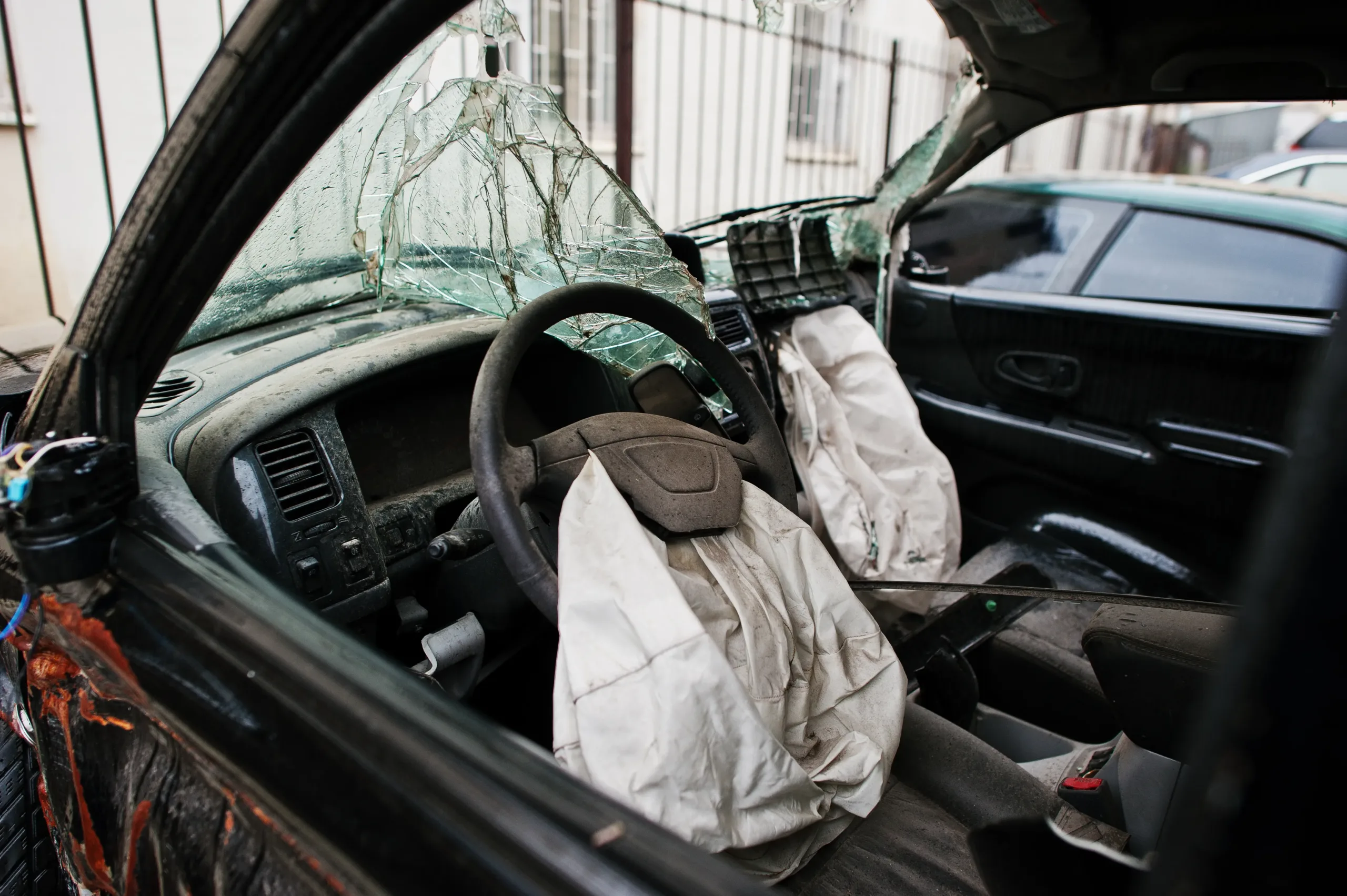

A truck accident claim can be denied by an insurance company for several reasons, including disputed liability, policy exclusions, insufficient evidence, late notice, or questions about whether the claimed injuries and losses were caused by the crash. A denial does not necessarily mean the injured person has no legal claim. In Texas, the insurance decision and the underlying right to seek damages are separate issues.
For a serious collision in Houston, an insurer may investigate the truck driver, trucking company, vehicle, maintenance records, electronic data, photographs, medical records, and crash reports before deciding whether to pay. A Houston truck accident lawyer can help review the denial, identify potentially responsible parties, and determine whether additional evidence may support the claim.
Why Would Insurance Deny a Truck Accident Claim?
An insurer may deny a truck accident claim when it contends that the policy does not cover the loss, its insured was not responsible, the claimed injuries are unrelated to the crash, required information was not provided, or another policy or party should respond.
Common reasons include:
Disputed Liability
The insurer may argue that the truck driver did not cause the collision or that another driver contributed to it. In Houston, the dispute may involve lane changes, following distance, turns, speed, signals, road conditions, or visibility.
Texas follows proportionate-responsibility rules in many tort cases. Under Texas Civil Practice and Remedies Code Chapter 33, a claimant whose percentage of responsibility is greater than 50% generally cannot recover damages in an action to which the chapter applies.
Insufficient Evidence
An insurer may question a claim when the available evidence does not clearly establish what happened or how the injuries occurred. Evidence can include crash reports, photographs, witness statements, medical records, vehicle data, surveillance footage, and trucking records. The Texas Department of Transportation’s crash record guidance explains who may request qualifying crash reports and how Texas crash records are maintained.
Coverage Disputes
Commercial trucking cases can involve more than one policy. Coverage may depend on the carrier’s operations, the vehicle, the cargo, the relationship between the driver and company, and the applicable policy terms.
Federal Motor Carrier Safety Administration insurance requirements establish financial-responsibility requirements for certain regulated motor carriers. The amount varies by carrier type, authority, cargo, and vehicle type.
Questions About the Injuries
An insurer may contend that an injury was pre-existing, unrelated to the crash, or less serious than claimed. Medical records, treatment history, diagnostic testing, and medical opinions may become important when causation or severity is disputed.
Policy or Claim Issues
An insurer may raise issues involving notice, cooperation, policy conditions, exclusions, or other contractual requirements. These questions depend on the policy language and claim circumstances.
Can a Truck Accident Claim Be Denied Even If the Crash Was Not Your Fault?
Yes. An insurer can dispute or deny payment even when the injured person believes the truck driver caused the crash. Insurance companies evaluate coverage and liability based on their investigation, but their position is not necessarily the final determination of legal responsibility.
A denial should therefore be treated as a decision to evaluate, not automatically as proof that no claim exists. The denial letter, policy provisions, crash evidence, medical records, and responsible parties should be reviewed before deciding what to do next. If the insurer is disputing responsibility or the losses are substantial, speaking with a truck accident attorney near me may help you understand your options before making statements that could affect the claim.
What Should You Do If a Truck Accident Claim Is Denied?
A denial does not mean you should immediately abandon the claim. Taking organized steps can help identify why the insurer rejected it and whether additional evidence or another legal theory may apply.
- Read the denial letter carefully. Identify the specific reason the insurer gives for denying payment.
- Request relevant claim information. Keep copies of correspondence, estimates, recorded statements, medical requests, and other communications.
- Preserve evidence. Keep photographs, damaged property, medical records, bills, employment documentation, witness information, and any available video.
- Obtain the crash report. Texas crash records may provide important information about the reported circumstances of the collision.
- Identify all potentially responsible parties. The driver may not be the only person or entity whose conduct matters.
- Review available insurance coverage. A commercial truck crash may involve multiple policies or coverage arrangements.
- Avoid signing a final settlement without understanding it. A release may affect your ability to pursue additional compensation.
- Consider legal advice when the dispute is significant. Serious injuries, disputed fault, multiple defendants, or a substantial denial can make professional review particularly important.
Read Related: how to file a truck accident claim
What Evidence Can Help Challenge a Truck Accident Claim Denial?
Evidence that connects the truck, driver, collision, and resulting losses can be particularly important. Depending on the circumstances, relevant materials may include the crash report, photographs, witness statements, medical records, repair records, employment records, dashcam footage, nearby surveillance video, and communications with insurers. Truck cases may also involve driver qualification information, inspection and maintenance records, electronic logging data, dispatch records, or other carrier records. Availability and relevance depend on the facts and applicable rules. For qualifying interstate motor carriers, FMCSA maintains public insurance filing requirements and information concerning financial responsibility.
Can a Truck Accident Attorney Help With a Denied Claim?
A truck accident attorney can review the denial, investigate the collision, assess liability, identify potentially responsible parties, and evaluate damages and insurance coverage. The attorney may also communicate with insurers and, when appropriate, pursue a lawsuit.
This can be especially relevant when a commercial trucking company or insurer has information about the vehicle and operation that an injured person may not have. A personal injury lawyer near me may also help determine whether state or federal rules affect the investigation. Federal trucking regulations can apply to interstate commercial operations, while Texas law governs many personal injury and negligence issues arising from crashes in Texas. Applicable law depends on the parties, conduct, location, claims, and facts.
How Long Do You Have to Pursue a Truck Accident Claim in Texas?
Texas law generally provides a two-year limitations period for many personal injury claims. Texas Civil Practice and Remedies Code §16.003 addresses claims for personal injury and certain injuries resulting in death. However, exceptions and other deadlines may apply, including circumstances involving governmental entities or different types of claims. Because a limitation period concerns filing a lawsuit, ongoing insurance discussions should not be assumed to extend every deadline.
What If the Trucking Company or Insurer Blames You?
An insurer may argue that the injured person contributed to the crash. That does not necessarily eliminate a claim. Texas proportionate-responsibility law can reduce recovery based on a claimant’s percentage of responsibility, and Chapter 33 generally bars recovery in covered actions when the claimant’s responsibility exceeds 50%.
The practical question is what the evidence shows. A crash investigation may examine vehicle positions, impact damage, roadway markings, witness accounts, and available video. Responsibility is ultimately fact-dependent, not established merely by an insurer’s allegation.
Read Related: Maximize compensation after a truck accident
What Should Houston Truck Accident Victims Do Next?
If your truck accident claim was denied, do not assume the denial ends your legal options. Review the reason given, preserve evidence, gather medical and financial records, and identify every potentially responsible party and applicable insurance policy. Houston truck collisions can involve complicated factual and coverage questions, particularly when a commercial carrier, multiple vehicles, or serious injuries are involved.
If the denial concerns liability, coverage, causation, or the value of your losses, timely legal review may help you understand whether challenging the insurer’s position is appropriate. A case-specific evaluation can also help identify important evidence before it becomes difficult to obtain.
Take Action After a Denied Truck Accident Claim
A truck accident claim can be denied by insurance, but the denial is not necessarily the final word on whether an injured person has a legal right to seek compensation. Coverage, liability, evidence, injuries, damages, and applicable Texas or federal rules must be considered together. If you were seriously injured in a Houston truck crash, acting promptly can matter. Preserving evidence and understanding the insurer’s position early may give you a clearer picture of your options. Lakhani & McGrath can review the circumstances of your collision, explain the potential legal issues, and discuss whether a case review may be appropriate.